

 English
 Español


Product Consultation
Your email address will not be published. Required fields are marked *
A cosmetics preservative is a specialized antimicrobial chemical or blended system engineered to inhibit the growth of bacteria, molds, and yeasts, thereby ensuring the microbiological safety and structural stability of personal care products throughout their shelf life and consumer use window. Any personal care formulation containing water, proteins, botanical extracts, or structural carbohydrates provides a fertile breeding ground for opportunistic pathogens. Without an optimized preservation matrix, a standard oil-in-water emulsion can suffer rapid microbial colonization, leading to visible mold, phase separation, texture degradation, or severe dermal infections for the end user.
In the industrial manufacturing of cosmetics, maintaining microbiological control requires balancing robust antimicrobial efficacy with skin biocompatibility. Pathogens such as Pseudomonas aeruginosa, Staphylococcus aureus, and Candida albicans can introduce dangerous toxins into a formulation if left unchecked. A dedicated cosmetics preservative strategy does not rely on a single magic ingredient; rather, it uses targeted combinations of organic acids, alcohols, and glycols that disrupt the cellular membranes or metabolic pathways of microorganisms while remaining gentle on the human skin barrier.
The engineering footprint of industrial cosmetic preservation merges biochemical dynamics, water activity management, and strict regulatory compliance. The final performance of a preservative setup depends heavily on the overall formula environment, including variables like matrix pH, emulsifier ionic charges, and packaging design. Developing an effective system requires understanding how individual antimicrobial agents interact with different chemical phases. This systematic approach allows cosmetic chemists to build a dependable shield that protects the product from raw materials processing all the way to consumer bathrooms.
Modern cosmetic preservation relies on a diverse toolkit of chemical structures. Each class of preservative features a distinct mechanism for neutralising microbes, targeting different structural components of the cell like the cell wall, cytoplasmic membrane, or genetic material.
Organic acids—including Phenoxyethanol, Benzoic Acid, Sorbic Acid, Dehydroacetic Acid, and Salicylic Acid—are the workhorses of clean packaging formulations. Their antimicrobial mechanism relies on their ionization state, which is directly governed by the pH of the surrounding water phase. These acids are effective only in their un-ionized, lipid-soluble state, which typically requires a formulation pH below 5.5.
When the local environment is sufficiently acidic, the un-ionized acid molecule easily diffuses across the lipophilic cell membrane of a bacterium or yeast cell. Once inside the neutral cytoplasm (pH around 7.0), the acid molecule dissociates, releasing a flood of hydrogen ions (H+). This internal acidification forces the microbe to expend all its cellular energy (ATP) pumping protons out of the cell to survive, which completely stalls its metabolic processes and leads to cell death.
Aromatic alcohols, such as Benzyl Alcohol and Phenoxyethanol, operate independently of localized pH variations, offering broad-spectrum protection across a wider operating window (pH 3.0 to 9.0). These molecules target the structural integrity of the microbial cytoplasmic membrane.
The lipophilic portion of the alcohol dissolves into the membrane bilayer, altering fluid dynamics and increasing permeability. This structural disruption causes vital internal components—like potassium ions, nucleotides, and amino acids—to leak out of the cell. At the same time, it allows external toxins to flood inward, causing rapid cell breakdown and lysis.
Relying on a single antimicrobial agent at a high concentration can lead to skin irritation or fail to catch resistant microbial strains. To create safe, high-performance formulations, industrial chemists use "hurdle technology"—a method that combines multiple physical and chemical preservation techniques to establish an insurmountable barrier against microbial life.
Hurdle technology treats the formulation as a complex system, introducing several mild preservation hurdles that work together synergistically:
By combining these hurdles, formulators can drastically lower the required active concentration of traditional preservatives. For example, pairing 0.6% Phenoxyethanol with 0.3% Caprylyl Glycol and 0.1% Disodium EDTA often provides stronger, more reliable broad-spectrum protection than using 1.0% Phenoxyethanol alone, while significantly reducing the risk of skin sensitization.
Selecting the right cosmetic preservative system requires carefully aligning the target formulation's pH, ionic charge, and expected microbial risks. The table below details the technical profiles of widely used, modern preservative components.
| Preservative Active Agent | Primary Microbial Target | Optimal Operating pH Range | Standard Industry Use Levels | Compatible Formula Matrix Archetypes |
|---|---|---|---|---|
| Phenoxyethanol | Gram-Negative & Gram-Positive Bacteria | 3.0 - 9.0 (Highly Stable) | 0.5% - 1.0% | O/W Emulsions, Surfactant Gels, High-pH Systems |
| Sodium Benzoate | Molds, Yeasts, Mild Fungi | 3.0 - 5.0 (Acid Dependent) | 0.2% - 0.5% | Low-pH Toners, Shampoos, Clear Aqueous Serums |
| Potassium Sorbate | Molds and Fungal Spores | 3.0 - 5.5 | 0.1% - 0.3% | Botanical-Rich Creams, Clay-Based Face Masks |
| Benzyl Alcohol | Bacteria and Select Yeasts | 3.0 - 8.0 | 0.4% - 1.0% (Fragrant Element) | Natural-Certified Lotions, Essential Oil Blends |
The empirical performance data demonstrates that aromatic options like Phenoxyethanol provide an exceptionally wide operating window up to pH 9.0, making them a reliable foundation for complex emulsions. However, because these standalone ingredients have gaps in their efficacy against molds and fungi, they are typically paired with organic salts like Sodium Benzoate to achieve full, broad-spectrum protection.
A formulator cannot verify a preservative system's efficacy simply by visual inspection. Before any product can be cleared for commercial manufacturing, it must pass a rigorous microbial challenge test, such as those outlined in USP 51 or ISO 11930 standards.
The challenge test evaluates a formulation's resilience by deliberately contaminating a product sample with a high concentration of specific test microorganisms. Labs inject separate product samples with pools of bacteria, yeasts, and molds, creating a baseline contamination level of 1,000,000 colony-forming units per gram (CFU/g) for bacteria and 100,000 CFU/g for fungi.
These inoculated samples are incubated in environmental chambers at a constant temperature of 22.5°C (plus or minus 2.5°C) for a 28-day testing cycle. Technicians draw samples at specific intervals—typically at Day 7, Day 14, and Day 28—to measure the remaining microbial populations using plate-count methods.
To pass the challenge test, the preservative system must drive down the microbial population at a rate that meets strict compliance benchmarks:
If a formula fails to meet these reduction benchmarks, the preservative system must be re-engineered. This often involves adjusting the active concentrations, introducing a chelating booster, or lowering the target pH of the water phase to increase the availability of un-ionized acid molecules.
Transitioning a preservation system from a small laboratory bench to a large-scale industrial compounding vessel requires precise temperature controls and shear management. Many high-performance preservatives are heat-sensitive or can disrupt emulsion structures if added incorrectly during production.
The compounding sequence follows a strictly controlled operational flow:
Adding aromatic preservatives at temperatures above 60°C can cause the active ingredients to flash off or volatilize, filling the factory floor with chemical vapors and leaving the finished batch under-preserved. Further, adding preservatives too early can shock the surfactant network, causing the droplets to coalesce and leading to phase separation. Adding ingredients below 40°C ensures the preservative system remains stable, protecting both the formula and the manufacturing equipment.
The global personal care sector is shifting away from traditional synthetic compounds toward green, plant-derived alternatives. This transition is driving research into alternative chemistry, moving formulators toward multifunctional bio-preservative complexes that mimic natural plant defense systems.
Modern green preservation strategies focus on natural antimicrobials like Glyceryl Caprylate, Leuconostoc/Radish Root Ferment Filtrate, and p-Anisic Acid. Radish root ferment filtrate, produced through the fermentation of Raphanus sativus by the lactic acid bacterium Leuconostoc, contains specialized antimicrobial peptides that target bacterial cell walls. When combined with organic acids derived from anise or corn, these natural complexes provide reliable, broad-spectrum protection that satisfies clean-label consumer demands without compromising safety or shortening the product's shelf life.
Nantong Boda Biochemistry Co., Ltd. will participate in the exhibition held in Ho Chi Minh City, Vietnam.
Protecting Timber from Decay: The Science of Wood Fungicide
Your email address will not be published. Required fields are marked *
Industrial Deodorant
Penetrating Agent
Penetrating Agent
Disinfectant Liquid
Disinfectant Liquid
Antifungal Agent for Chemical Fiber Oil

Antifungal Agent for Chemical Fiber Oil
Antifungal Agent for Chemical Fiber Oil
Antifungal Agent for Chemical Fiber Oil
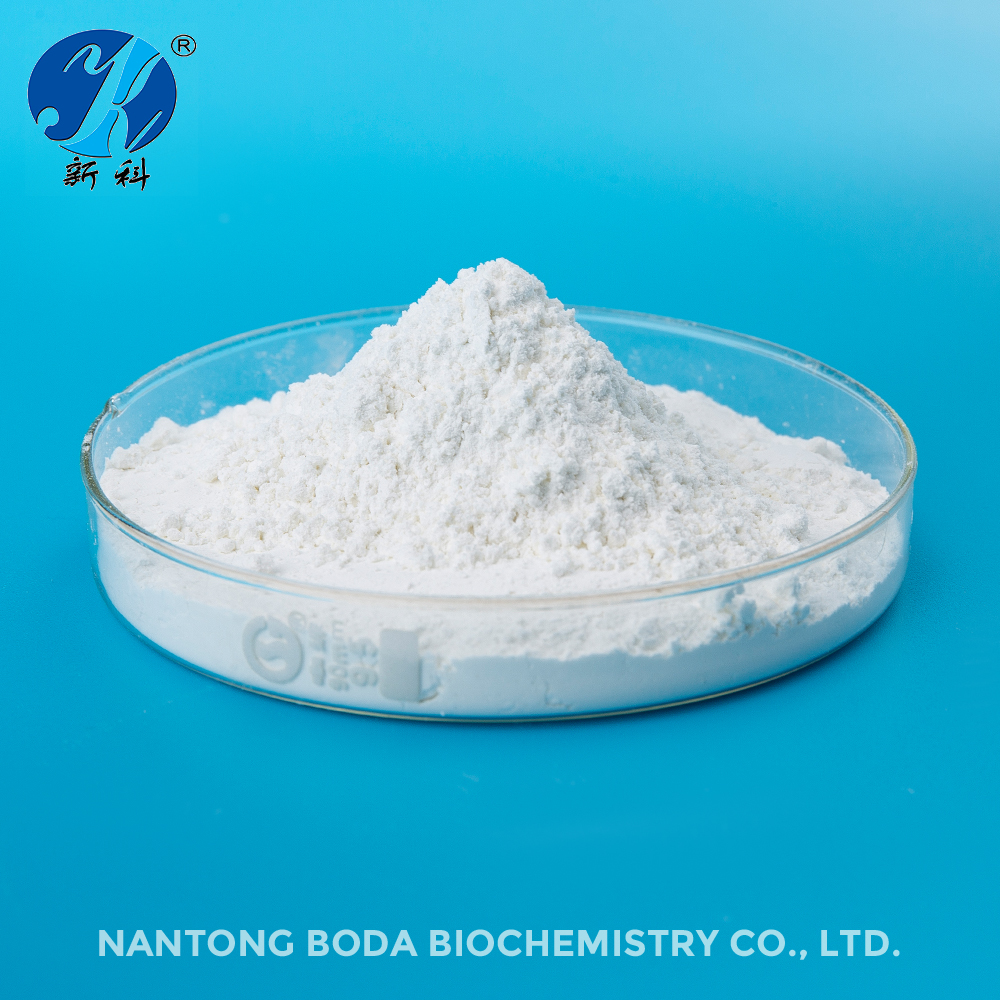
Dry Film Preservatives
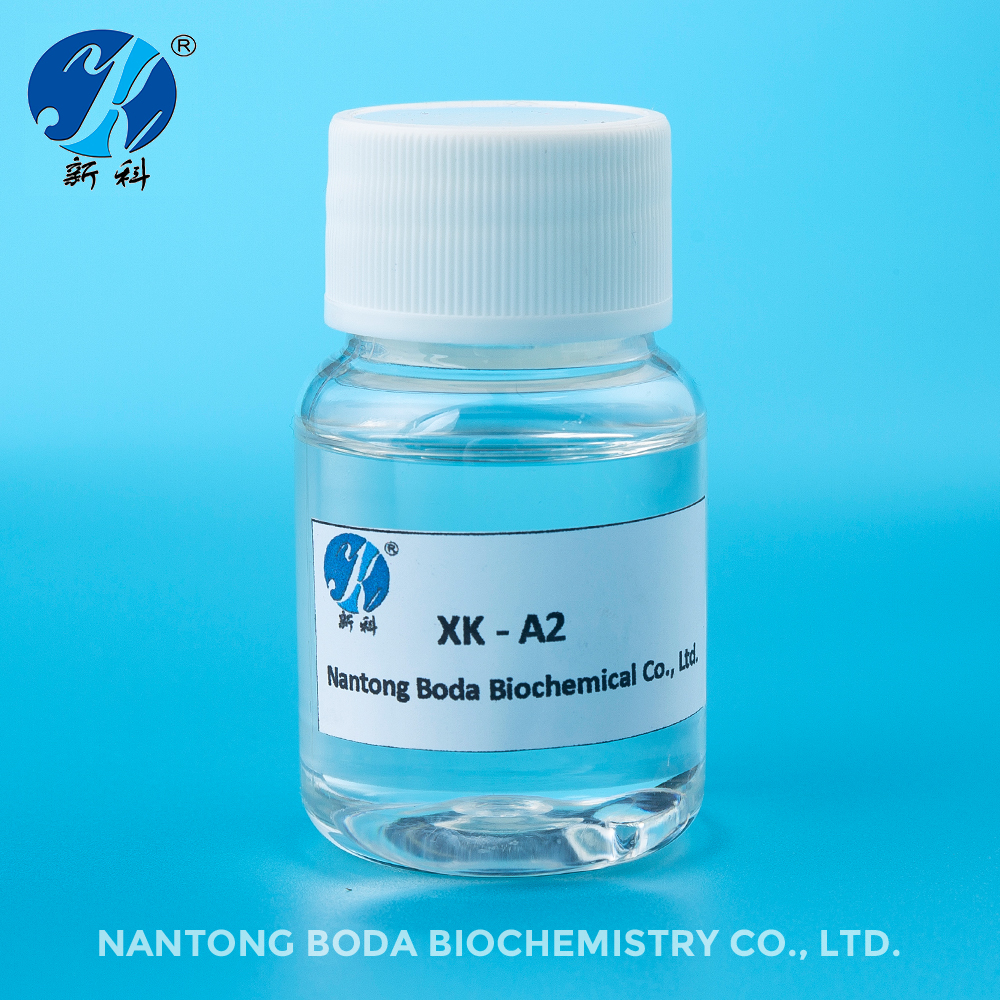
Dry Film Preservatives
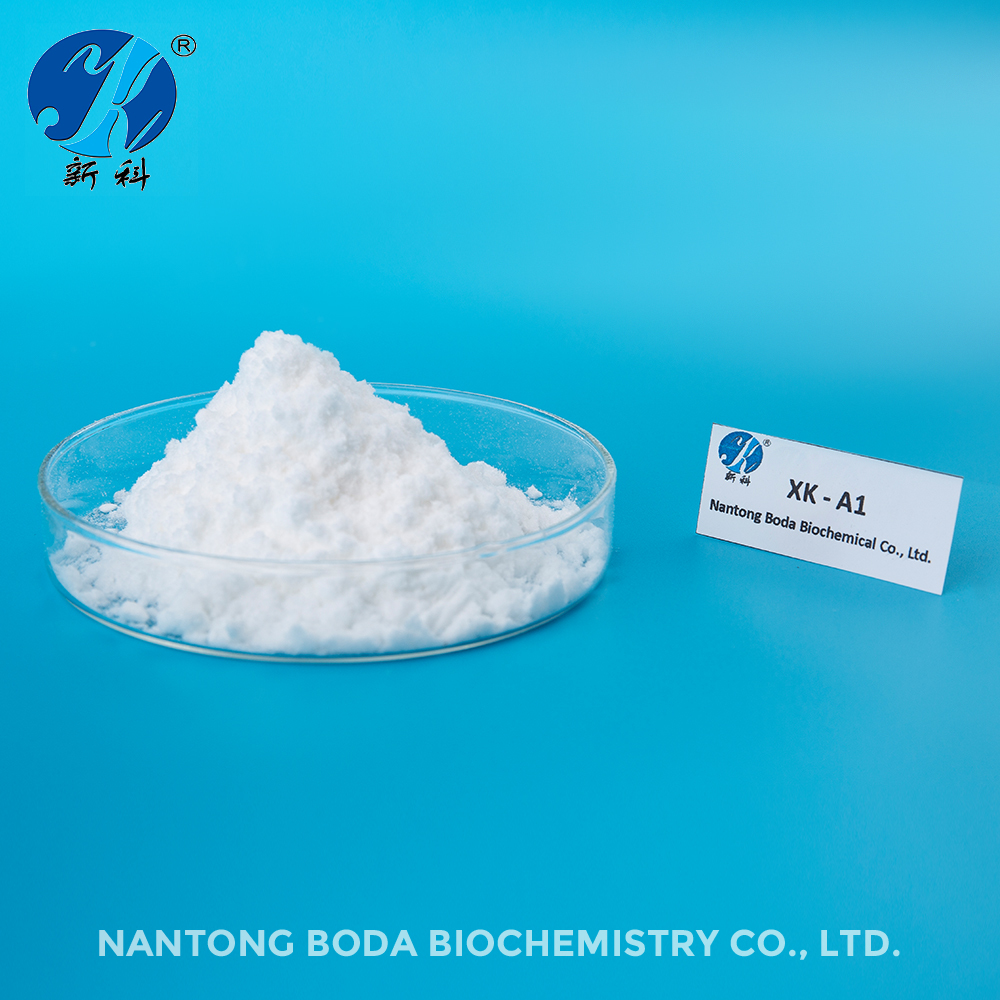
Dry Film Preservatives

 Request A Quote
