

 English
 Español


Product Consultation
Your email address will not be published. Required fields are marked *
Preservative antifungal agents are chemicals used in various industries, particularly in the food, cosmetic, pharmaceutical, and personal care sectors, to prevent the growth of fungi and mold. These agents help extend the shelf life of products and ensure they remain safe and effective for use. Antifungal preservatives are essential in preventing contamination, especially in products exposed to moisture or stored for extended periods. However, concerns have been raised about the potential health risks associated with some of these chemicals, especially when consumed or applied frequently.
Antifungal preservatives are substances specifically designed to prevent or inhibit the growth of fungi and mold. They are often added to products that are susceptible to fungal contamination, such as food, cosmetics, and pharmaceuticals. Some common antifungal preservatives include sorbic acid, potassium sorbate, sodium benzoate, and parabens. These agents work by disrupting the cell membrane of fungi, preventing their growth and reproduction. They are effective in inhibiting the growth of a wide range of fungi, including yeasts and molds, which can cause spoilage and contamination of products.
Different antifungal agents are used in various products depending on their effectiveness, safety profile, and regulatory approval. For example, sorbic acid and its salts, such as potassium sorbate, are frequently used in food products to prevent mold and yeast growth. These preservatives are often found in baked goods, beverages, and dairy products. Sodium benzoate, another common antifungal, is often used in soft drinks, jams, and fruit juices to prevent microbial growth. Parabens, including methylparaben and propylparaben, are widely used in cosmetics, toiletries, and pharmaceuticals to prevent fungal contamination and extend product shelf life. While these preservatives are generally considered effective, their use has raised questions about potential risks to human health, especially with long-term exposure.
Antifungal preservatives are subject to regulatory oversight by health authorities in different countries. In the United States, the Food and Drug Administration (FDA) evaluates the safety of food additives, including preservatives, before they can be used in consumer products. Similarly, the European Food Safety Authority (EFSA) assesses the safety of preservatives used in food products within the European Union. Both agencies establish acceptable daily intake (ADI) levels for these substances, which represent the maximum amount of a substance that can be consumed daily over a lifetime without posing a significant risk to health. These guidelines help ensure that the use of antifungal preservatives does not exceed levels considered safe for human consumption or exposure.
While antifungal preservatives have been approved for use in many products, there are concerns about their potential impact on human health. Some studies have suggested that long-term or excessive exposure to certain preservatives may lead to health issues, especially in sensitive individuals. For example, studies have shown that some preservatives, particularly parabens, can be absorbed through the skin or ingested, leading to their accumulation in the body. This has raised concerns about their potential to disrupt the endocrine system, as parabens have been found to have weak estrogenic activity. This means that they may mimic the effects of the hormone estrogen in the body, potentially influencing hormone balance and reproductive health. However, while studies have raised concerns, the evidence linking parabens to significant health effects in humans remains inconclusive, and regulatory agencies have set acceptable limits to minimize potential risks.
Some individuals may experience allergic reactions or sensitivities to antifungal preservatives, particularly when they are used in cosmetic or personal care products. For example, parabens are known to cause skin irritation or allergic reactions in sensitive individuals. People with eczema or other skin conditions may be more prone to experiencing these reactions. Similarly, sorbic acid and its salts, such as potassium sorbate, can sometimes cause allergic responses, particularly when applied to the skin in high concentrations. Symptoms of an allergic reaction may include redness, itching, rash, or swelling at the site of exposure. Ingesting or applying products containing preservatives in large quantities may also increase the risk of developing sensitivities. In such cases, individuals may need to avoid products containing these preservatives or choose alternative products that do not contain these chemicals.
In addition to concerns about human health, there are environmental issues associated with the use of antifungal preservatives, particularly in food and cosmetic products. Some preservatives, such as parabens and sodium benzoate, have been found to be persistent in the environment, meaning that they do not easily break down and can accumulate in water systems. These substances can potentially affect aquatic life, leading to toxicity in fish and other marine organisms. The long-term environmental impact of these chemicals is still under study, but efforts are being made to reduce the use of certain preservatives in consumer products to mitigate environmental risks. Some manufacturers have started to explore natural or more biodegradable alternatives to synthetic antifungal agents to address these concerns.
As concerns over the potential risks of synthetic antifungal preservatives have grown, there has been an increasing interest in finding safer and more natural alternatives. One promising alternative is the use of plant-derived preservatives, such as essential oils or extracts from herbs like rosemary, thyme, and oregano. These natural preservatives contain compounds that have antifungal properties and can help inhibit the growth of mold and yeast in food and cosmetics. Additionally, some natural preservatives, like grapefruit seed extract, have shown promise in preventing microbial contamination without the potential side effects of synthetic preservatives. Another option is the use of fermentation-based preservatives, which harness the natural antimicrobial properties of fermented foods to extend shelf life. However, while these natural preservatives may be less harmful to human health and the environment, they can sometimes be more expensive or less effective in certain applications compared to synthetic preservatives.
In recent years, consumer awareness of the potential health risks associated with preservatives has increased. As a result, many people are becoming more cautious about the products they purchase, particularly when it comes to food, cosmetics, and personal care items. In response to this demand, many manufacturers are now providing more transparent labeling on their products, indicating whether or not they contain preservatives such as parabens, sorbic acid, or sodium benzoate. Some companies have also opted to advertise their products as "preservative-free" or "natural," catering to consumers who are concerned about the potential health risks of chemical additives. This trend reflects a broader shift toward cleaner and more sustainable products, as consumers seek to make healthier and more informed choices for themselves and the environment.
While preservatives such as antifungal agents are generally considered safe when used within regulatory limits, there are steps individuals can take to minimize their exposure to potentially harmful chemicals. For food products, one of the most effective ways to reduce exposure to preservatives is by opting for fresh, organic, or minimally processed foods, which are less likely to contain synthetic additives. When purchasing personal care products, consumers can look for products labeled as free from parabens, phthalates, and other preservatives that may pose health risks. Additionally, individuals with sensitive skin or allergies may benefit from using hypoallergenic or preservative-free skincare and cosmetic products. By being more mindful of the ingredients in the products they use, consumers can make choices that align with their health and environmental concerns.
Regulatory agencies, such as the FDA and EFSA, play a crucial role in ensuring the safety of preservatives used in consumer products. These organizations conduct rigorous evaluations of preservatives and establish safety limits to protect public health. They also monitor the latest scientific research to assess any new risks associated with these chemicals and update their guidelines accordingly. While concerns about the potential health risks of preservatives are valid, it is important to recognize that these substances are subject to strict regulatory controls designed to minimize harm. As long as preservatives are used in accordance with established safety guidelines, the risks to human health are generally considered to be minimal.
Preservative antifungal agents are important for maintaining the safety, quality, and shelf life of various products. While concerns about their potential health risks and environmental impact are valid, regulatory agencies have established safety guidelines to minimize these risks. For most people, exposure to antifungal preservatives in food, cosmetics, and personal care products is unlikely to pose a significant threat to health. However, individuals who are concerned about the potential effects of these chemicals can reduce their exposure by choosing products with fewer preservatives or opting for natural alternatives. Ultimately, the decision to use products containing preservatives should be based on a careful consideration of the risks and benefits, along with the availability of safer options.
Can wood preservatives improve the weather resistance and UV resistance of wood?
How do wood preservatives affect the strength and durability of wood?
Your email address will not be published. Required fields are marked *
Industrial Deodorant
Penetrating Agent
Penetrating Agent
Disinfectant Liquid
Disinfectant Liquid
Antifungal Agent for Chemical Fiber Oil

Antifungal Agent for Chemical Fiber Oil
Antifungal Agent for Chemical Fiber Oil
Antifungal Agent for Chemical Fiber Oil
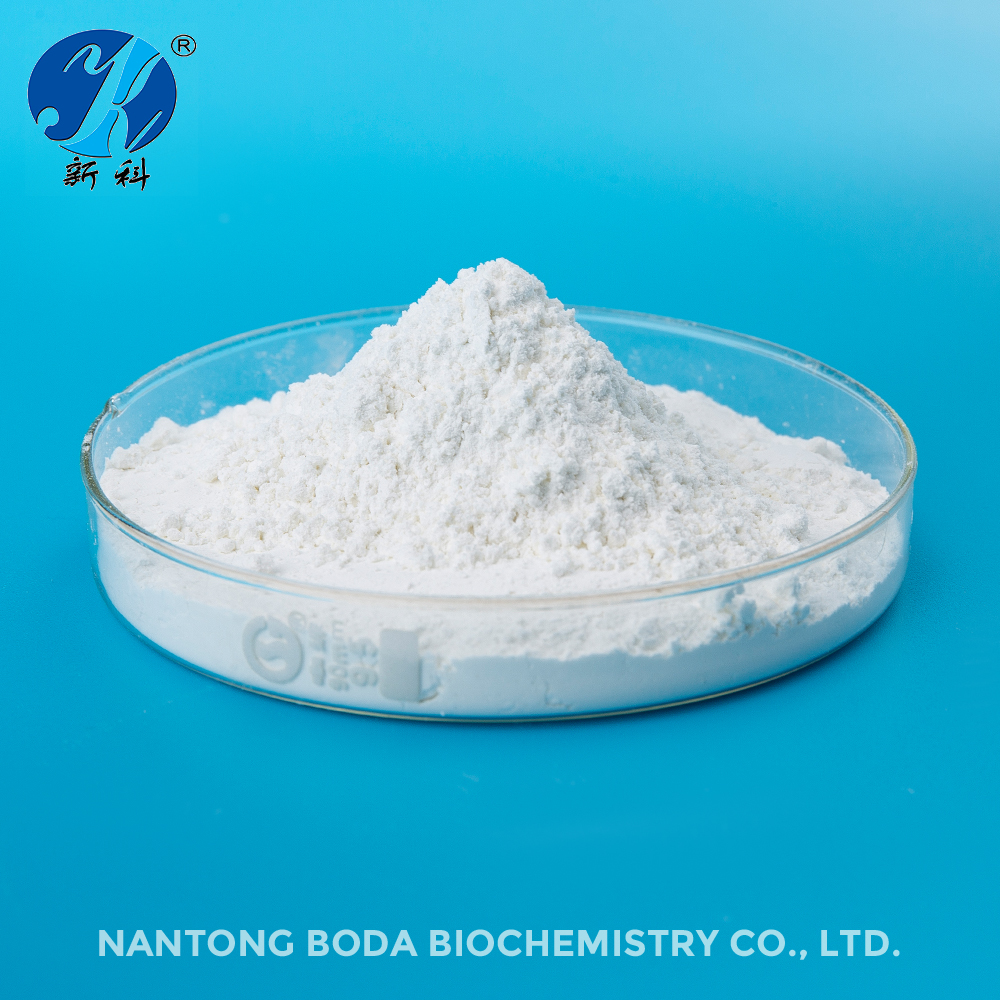
Dry Film Preservatives
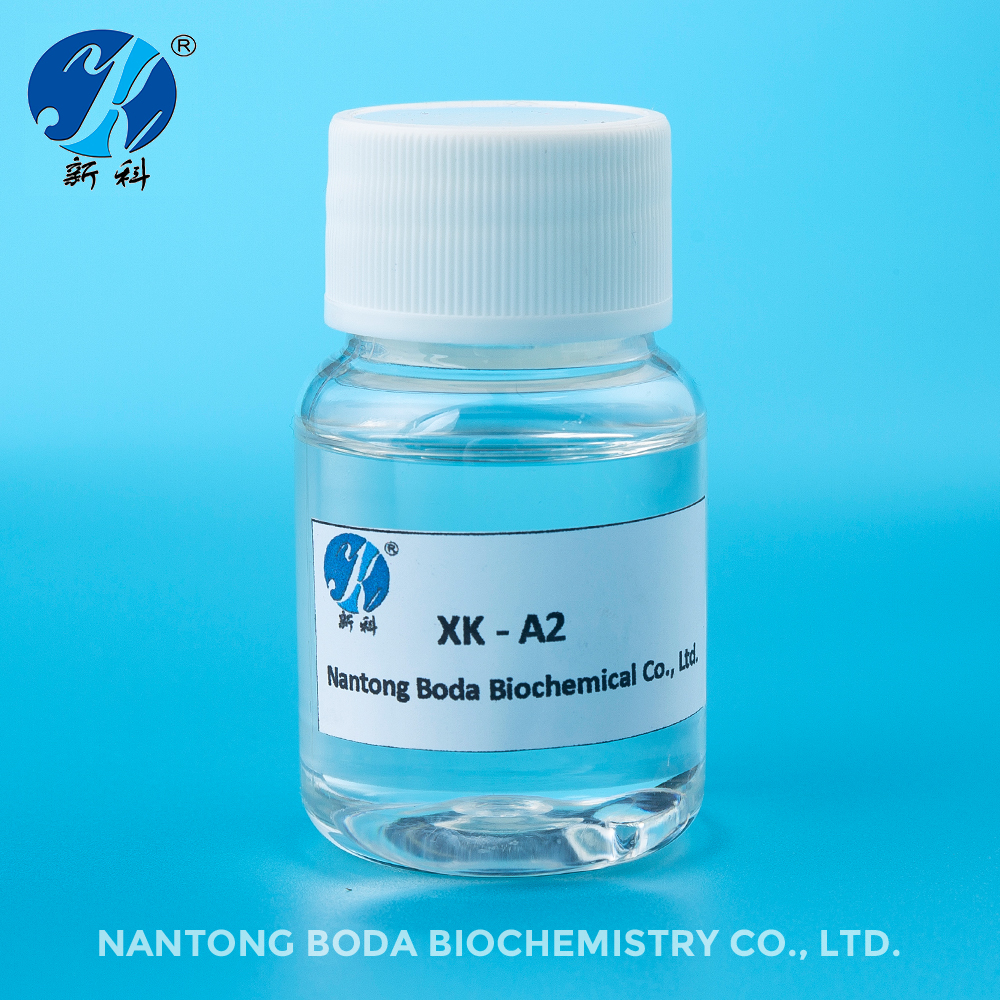
Dry Film Preservatives
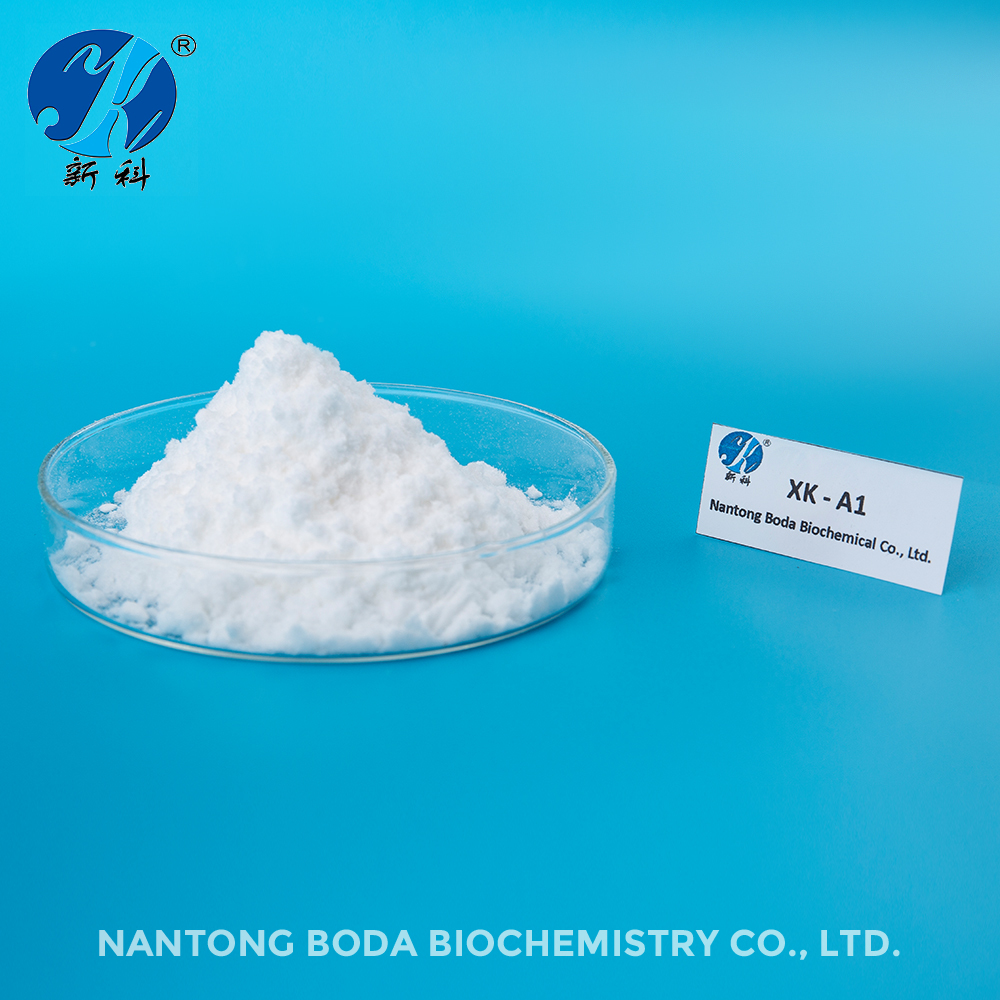
Dry Film Preservatives

 Request A Quote
