

 English
 Español


Product Consultation
Your email address will not be published. Required fields are marked *
Pull a fresh board of pressure-treated lumber off the pile at the yard and two things stand out immediately: it is noticeably heavier than regular framing lumber, and the surface often feels damp to the touch. If rain is in the forecast for the weekend, the obvious question follows: can treated wood get wet without being ruined?
Yes, it can. Treated wood is designed to get wet. The preservative forced into it during treatment exists precisely so the wood can survive exposure that would rot untreated lumber within a few seasons. What treatment does not do is make wood waterproof or dimensionally stable. Water still soaks in, boards still swell and shrink, and most long-term damage starts where moisture goes unmanaged: at fresh cuts, end grain, and trapped pockets of standing water. Knowing the line between "rot-resistant" and "waterproof" is what separates a deck that lasts decades from one that starts cracking and cupping within five years.
Most modern pressure treatment begins with water. Lumber is loaded into a treatment cylinder, and a water-based preservative solution, typically a copper-based system such as ACQ (alkaline copper quaternary), is driven deep into the wood cells under vacuum and pressure. When the board leaves the cylinder, it is saturated with the treating solution. Moisture content can easily read above 30 percent at that stage, which explains the extra weight and the damp feel that lingers for days afterward.
So if the treated wood you buy is already wet, that is not a defect. It is a byproduct of the very process that protects it.
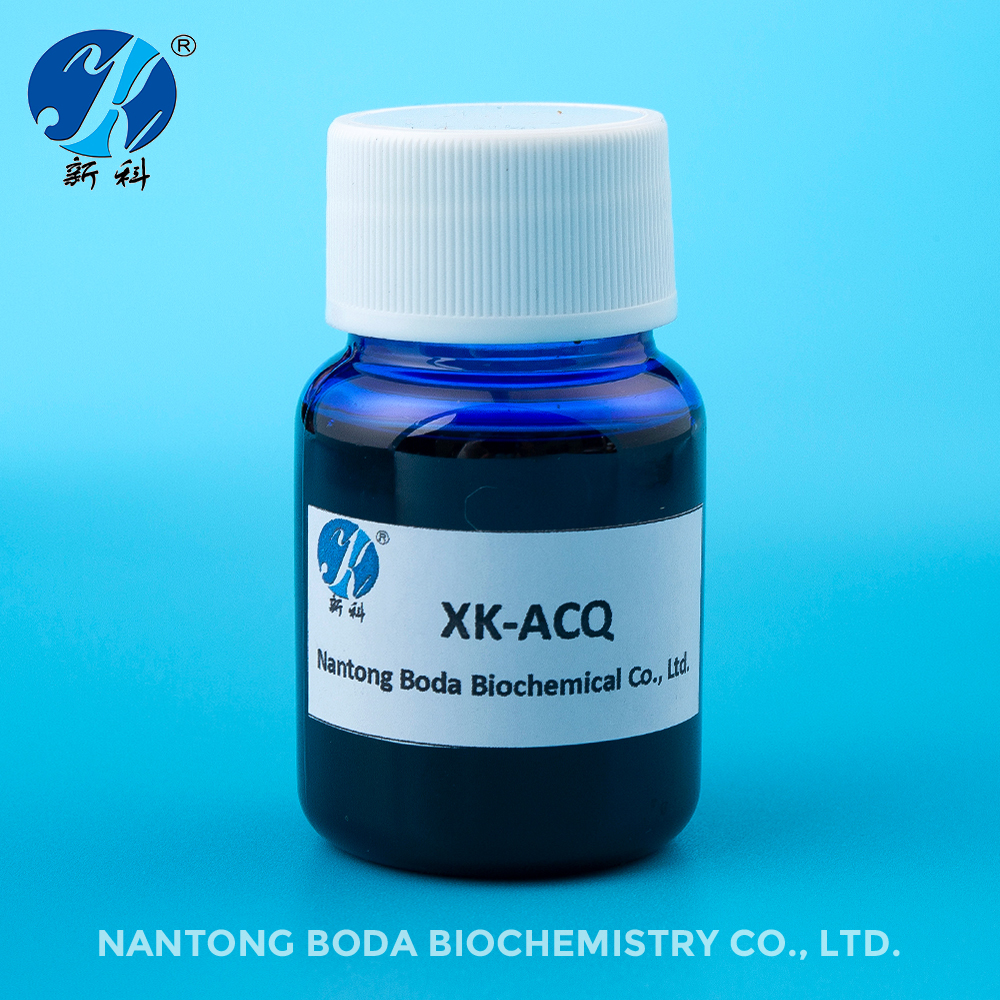 ACQ Ammonical Copper Quat Wood PreservativeThis copper-based preservative is applied under pressure so treated boards stay protected through years of rain. It targets the decay fungi and termites discussed here, resisting fungal damage that would destroy untreated wood much sooner.View Product →
The copper and co-biocides deposited in the wood exist to stop the organisms that eat wood: decay fungi, which need sustained moisture to digest the wood's structure, and insects including termites. A properly treated board can sit through years of rain without the fungal decay that would consume untreated wood in a fraction of that time. For a closer look at the chemistry, see our guide to how wood preservatives and wood fungicides work.
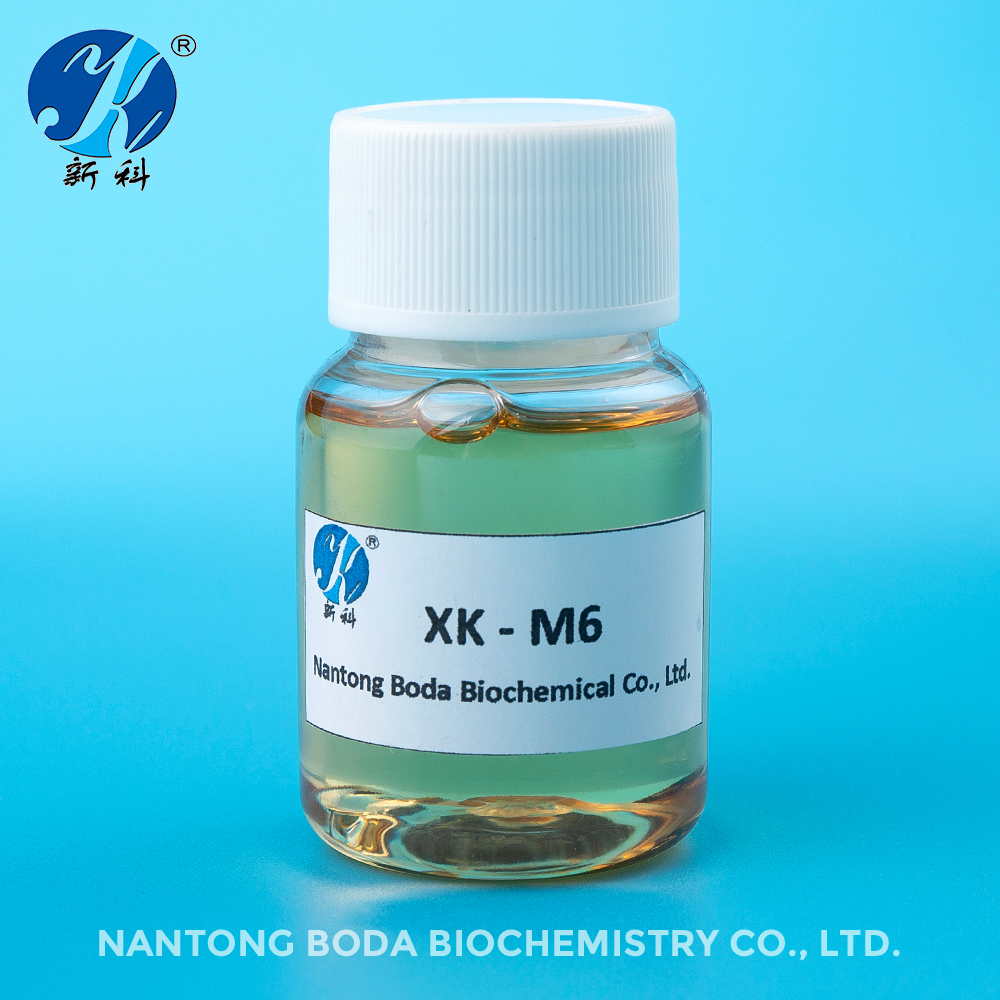 XK-M6 Wood Protective TreatmentXK-M6 is a straw-colored liquid concentrate that protects wood against fungal decay and insect attack, including termites. It suits the discussion of biocides defending structure, while noting it cannot stop moisture-driven swelling, checking, or warping.View Product →
Wood is hygroscopic, and no pressure treatment blocks that. Rain wets the surface, water moves into the cells, the board swells; the sun dries it out, and it shrinks again. That repeated cycling, not rot, is what drives checking (the small cracks that run along the grain), cupping on wide deck boards, warping, and the grey, fibrous weathering on sun-exposed surfaces. The preservative protects the wood's structure; it does not shield its appearance, and it does not stop movement.
The table below sums up the situations builders run into most often and the practical response to each.
| Situation | What actually happens | Practical response |
|---|---|---|
| Overnight rain on a lumber stack | Surface moisture and slight swelling; no decay risk in the short term | Restack the boards with spacer stickers so air can circulate; they will re-dry on their own |
| Years of wet-dry and sun cycles | Checking, cupping, warping, and grey surface weathering | Apply a water-repellent finish once the wood has dried; reapply every one to two years on horizontal surfaces |
| Standing water or soil contact | Moisture stays in the range decay fungi need; risk concentrates at cuts and end grain | Use ground-contact rated treatment, provide drainage, and field-treat every cut |
| Building with wet boards | Shrinkage as the wood dries; gaps open and fasteners can loosen slightly | Fine for structural framing; account for movement on decking and finish later |
For structural work such as posts, joists, and framing, wet treated lumber is normally acceptable, because it was saturated when it was treated anyway. The consequence to plan for is shrinkage: as the board dries over the following weeks it narrows across its width, so leave the recommended gap between deck boards and expect minor fastener movement. Driving a screw into very wet wood will squeeze water out of the screw hole; that is normal, not a problem.
Finishes fail on wet treated wood because they cannot penetrate saturated cells; they sit on the surface and peel. Wait for the wood to dry, which takes anywhere from a few weeks in warm, dry weather to a couple of months in humid climates. Two checks beat any calendar. A moisture meter reading of about 15 percent or lower means go ahead. Or sprinkle water on the surface: if it soaks in within a few minutes, the wood is ready; if it beads up, wait longer. If your schedule cannot accommodate the wait, kiln-dried-after-treatment (KDAT) lumber is the shortcut.
Three weak points account for most moisture failures in treated wood.
Cuts and holes. Pressure treatment penetrates deepest in sapwood, so a fresh cut can expose less-treated interior wood, and end grain absorbs water far faster than face grain. Brush a copper-based preservative onto every field cut, notch, and drilled hole. Cut deck boards are the classic starting point for wet rot.
Trapped moisture. Wood with no path for water to drain away stays wet permanently, and decay fungi only need sustained moisture above roughly 20 percent to get started. Posts set directly in wet soil, planters lined with soil against treated panels, and decking installed without drainage gaps all create that condition. Choose ground-contact rated retention for anything touching soil or water, and design details that shed water instead of holding it.
Wrong hardware. Copper-based treatments accelerate the corrosion of plain steel, so use hot-dip galvanized or stainless fasteners and connectors. Rust streaks and corroded hangers are moisture damage too, just on the metal side.
Appearance deserves a mention as well. Standard copper treatments tend to leave wood with a greenish or brownish tint, while certain water-based formulations are designed so that processed wood keeps its original color. If the treated wood will stay visible in a pergola, cladding, or garden furniture, that difference matters as much as durability, and our explanation of why wood treated with XKM8 keeps its original color covers the details.
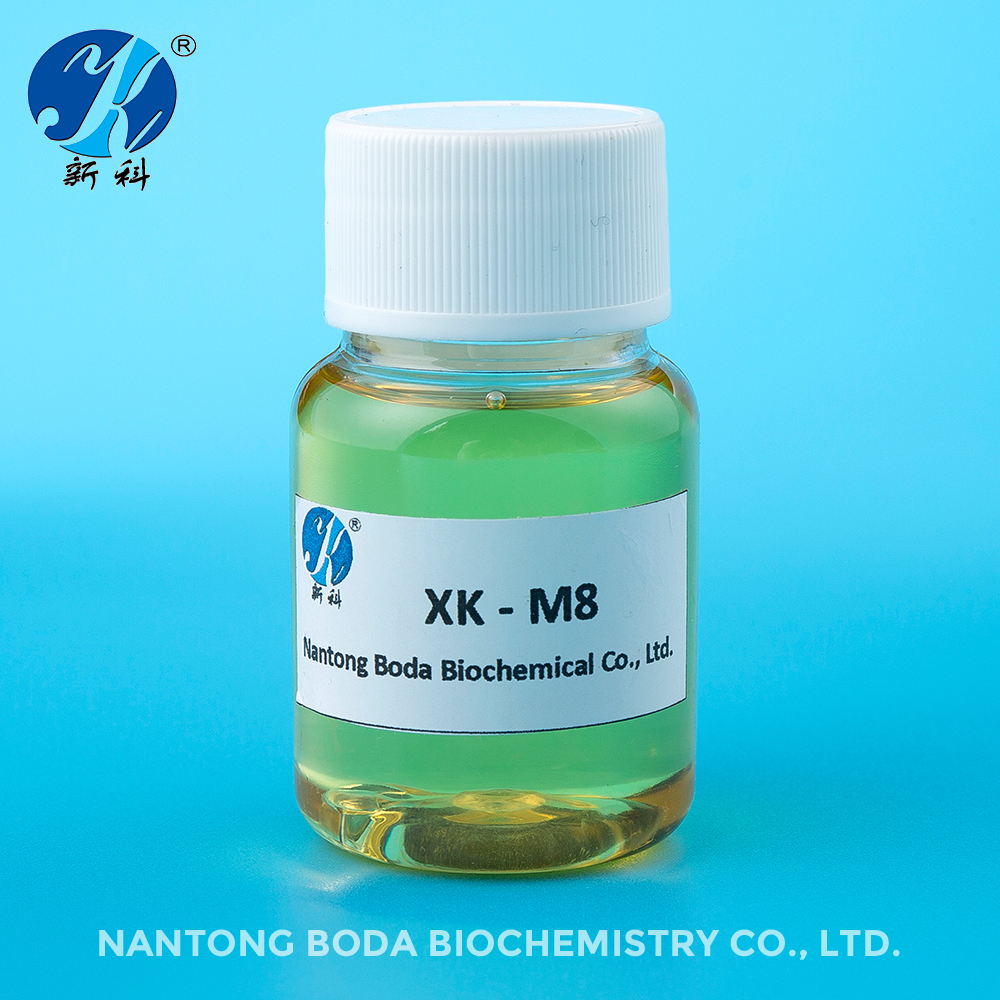 XK-M8 Wood Preservative That Keeps Original ColorUnlike standard copper treatments that leave a greenish or brownish tint, XK-M8 is a water-based formulation designed so processed wood retains its original color, making it a practical choice for visible pergolas, cladding, and garden furniture.View Product →
The Best Wood Treatment for Outdoors: Choosing Protection That Lasts for Years
Copper Azole (CA) Pressure Treated Lumber: Uses, Safety, and Buying Guide
Your email address will not be published. Required fields are marked *
Industrial Deodorant
Penetrating Agent
Penetrating Agent
Disinfectant Liquid
Disinfectant Liquid
Antifungal Agent for Chemical Fiber Oil

Antifungal Agent for Chemical Fiber Oil
Antifungal Agent for Chemical Fiber Oil
Antifungal Agent for Chemical Fiber Oil
Dry Film Preservatives
Dry Film Preservatives
Dry Film Preservatives

 Request A Quote
