

 English
 Español


Product Consultation
Your email address will not be published. Required fields are marked *
The end tag stapled to a bundle of pressure treated lumber is easy to ignore, but it is the most useful document you will get with the purchase. It records the preservative system, the exposure category, and the retention level that determine how long the wood will last and where it can be installed. When the tag reads "Copper Azole," you are holding lumber treated with a water-based preservative that has become a standard choice for decks, fences, raised beds, and ground-contact construction.
Copper azole pressure treated lumber relies on two active ingredients: a copper compound as the primary biocide and a triazole fungicide as a co-biocide. The system moved into mainstream residential use after chromated copper arsenate (CCA) was phased out of consumer applications in 2003, and it has since built a strong field record across North America. This article covers what copper azole is, how it compares with ACQ and the older CCA chemistry, where you can use it safely, and what to check before you buy.
Copper azole pressure treated lumber is wood that has been impregnated under vacuum pressure with a copper azole preservative. Unlike a brush-on coating, the treatment penetrates the wood fiber, so the protection is present inside the board, not just on the surface. The active ingredient system is built around two components:
Some commercial formulations also include boric acid for additional control of copper-tolerant fungi and termites. Because the preservative is water-based, treated wood comes out of the cylinder with a light green tint, a clean surface, and no strong odor.
Copper azole is produced in two main types. CA-B uses copper dissolved in an amine solution, so the metal travels into the wood in soluble form. CA-C, commonly marketed as micronized copper azole (MCA), uses copper ground into submicroscopic particles suspended in water. Both types deliver decades of exterior service, but MCA is often the first choice for projects that involve aluminum, because it is approved for contact with aluminum flashing and connectors.
Copper azole belongs to a family of copper-based waterborne preservatives. Comparing it with the other common systems makes the differences easy to see.
| Property | CCA (legacy) | ACQ | Copper azole (CA / MCA) |
|---|---|---|---|
| Active ingredients | Copper, arsenic, chromium | Copper, quaternary ammonium compounds | Copper, tebuconazole |
| Residential status | Phased out of residential use | Widely used | Widely used |
| Typical color | Light green-gray | Green to brown | Light green |
| Corrosion of metal fasteners | Moderate | Higher | Lower; MCA approved for aluminum contact |
| Common applications | Utility poles, industrial marine structures | Decking, fencing, ground contact | Decking, raised beds, ground-contact lumber |
The takeaway is straightforward. All three systems depend on copper to do the heavy lifting, but copper azole replaces the arsenic and chromium of CCA and the quaternary ammonium compounds of ACQ with a single azole co-biocide. In practical terms, copper azole lumber offers the same long service life in soil contact with less corrosion pressure on the fasteners and connectors used with it.
ACQ remains a strong alternative, and some buyers choose it simply because it is stocked in their region. If you are deciding between the two before placing an order, the specific functions of ACQ wood preservatives are covered in a separate article on this site.
Copper azole treated wood carries a use category rating, and the end tag shows which rating applies to the board in your hand.
For most residential projects, the choice comes down to UC3B deck boards and UC4A ground-contact posts. Installing an above-ground board in the soil is the most common mistake we see on job sites. The retention is too low for the moisture and decay pressure of soil contact, so the post fails years ahead of schedule. If the end tag is missing, treat the lumber as unrated.
Preservative chemistry matters as much as the use category. For timber producers and wood treating facilities that need a system with reliable termite and decay control, XKM6 wood protective is formulated to protect against fungal decay and insect attack, including termite attacks, in the most demanding installations.
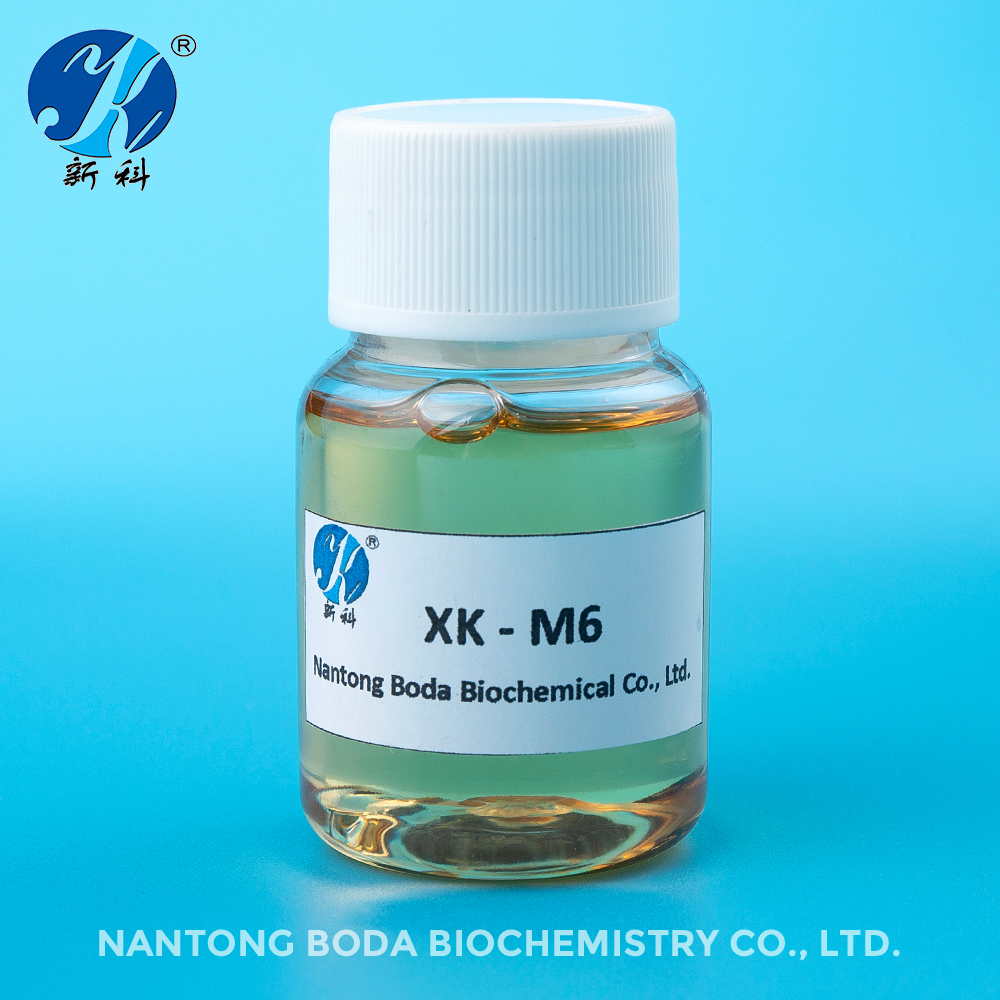 Wholesale XK-M6 Wood Protective - Protects against fungal decay and insect attacNantong Boda Biochemistry Co.,Ltd. is China Wholesale XK-M6 Wood Protective - Protects against fungal decay and insect attack, including ...View Product →
This is the first question from anyone who wants to build vegetable beds or a compost bin out of pressure treated lumber. The short answer is that copper azole lumber is generally considered safe for this purpose. The formulation contains no arsenic or chromium, and the active ingredients are a copper compound and a triazole fungicide. Copper can leach into adjacent soil in very small amounts, but it is an essential plant micronutrient, and the concentrations measured around treated garden beds do not present a meaningful health risk under normal conditions.
If you want an extra margin of confidence, line the inside of a bed with polyethylene sheeting before adding soil, keep offcuts and sawdust out of the growing area, and avoid using treated wood where condensation can pool and drip onto the crop. These are simple precautions, not requirements.
Copper azole treated lumber can look damp when it arrives, but it is clean to handle, easy to cut and fasten, and has little odor compared with older treated products. A few practices keep the work safe and the result durable:
Cutting generates sawdust that contains preservative. Keep it away from gardens and children's play areas, and wash work clothing separately from household laundry. These rules apply to CCA, ACQ, and copper azole alike.
Copper azole is not a surface treatment. The lumber is loaded into a treating cylinder, air is evacuated, the preservative solution is introduced, and pressure forces the liquid deep into the wood cell structure. The target uptake, called retention, is measured in pounds of preservative per cubic foot of wood and is printed on the end tag. Penetration and retention are the two numbers that decide how many decades the installation will last.
We have covered the workings of wood preservatives and wood fungicides in a dedicated article; the same mechanism applies to a properly treated charge of copper azole lumber. The chemistry of the concentrate matters as much as the treating schedule. A stable formulation keeps the copper dispersed through the whole batch, holds the tebuconazole ratio within specification, and leaves the wood surface clean and workable. For wood treating facilities that prefer a related copper-based waterborne system, our XKACQ wood preservative is supplied as a concentrate with a long history of use in the same applications.
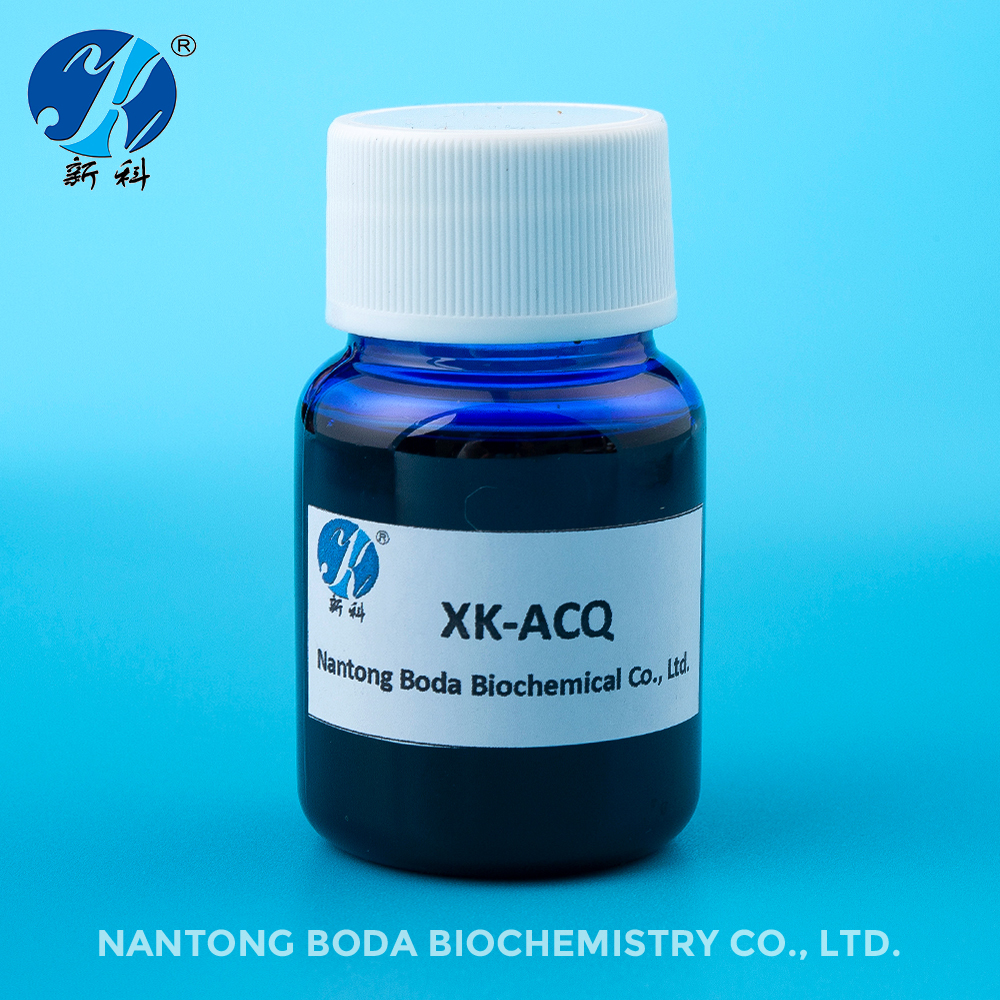 Wholesale Wood Preservatives - Ammonical Copper Quat (ACQ) Manufacturers, OEM/ONantong Boda Biochemistry Co.,Ltd. is China Wholesale Wood Preservatives - Ammonical Copper Quat (ACQ) Manufacturers and OEM/ODM Supplie...View Product →
Buying copper azole pressure treated lumber is mostly a matter of reading the tag and inspecting the boards. These are the points that actually affect how the wood behaves on site.
Appearance matters for visible work such as deck railings and exposed beams. Many pressure treated products come out of the cylinder with a strong green tint that fades to a weathered gray. If you want to skip the green phase entirely, some preservative systems are formulated to preserve the original wood color. Our XKM8 wood preservative is designed so that treated wood retains much of its original color after treatment, which can save a layer of stain and a year of waiting.
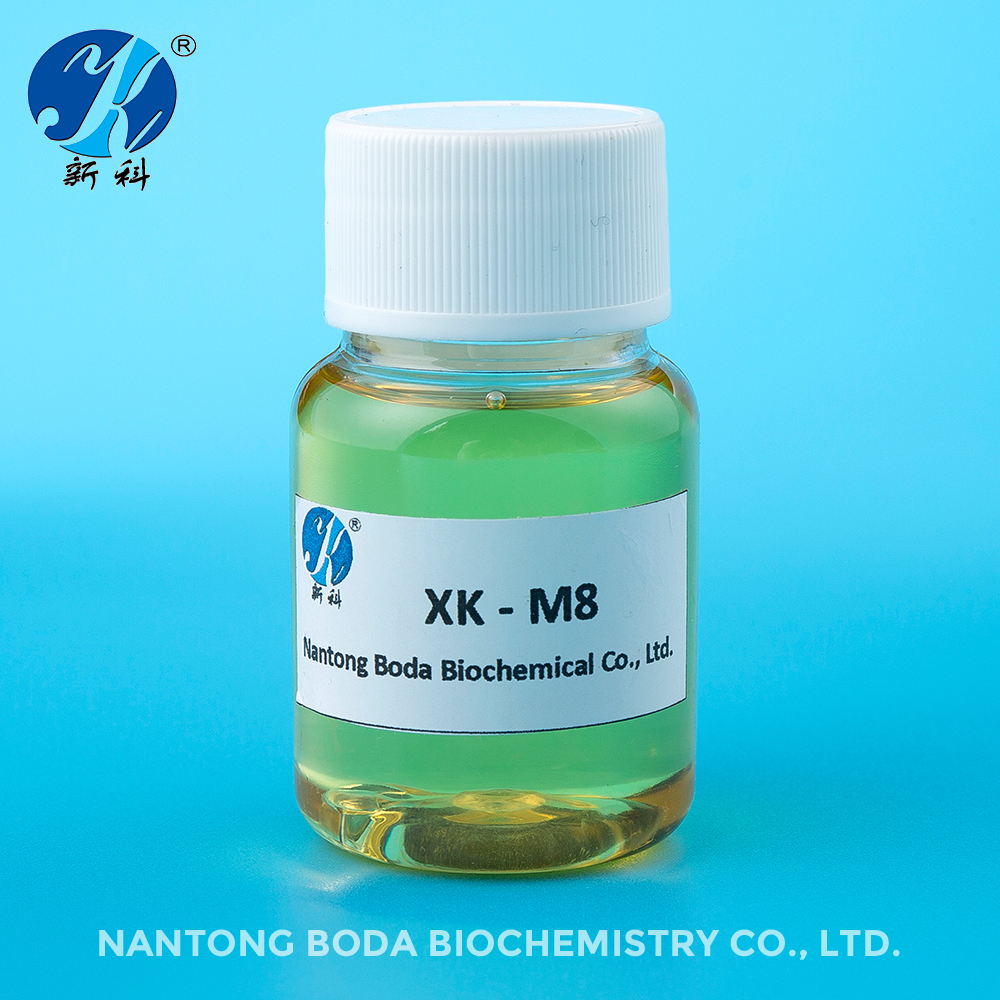 Wholesale XK-M8 wood preservative - processed wood will retain original color MNantong Boda Biochemistry Co.,Ltd. is China Wholesale XK-M8 wood preservative - processed wood will retain original color Manufacturers ...View Product →
Copper azole pressure treated lumber has become the default for a large share of exterior wood construction because it solves the problem that CCA left behind: it protects wood fiber from fungi and termites without the arsenic and chromium that made the older chemistry unsuitable for homes and gardens. The treatment is water-based, the wood stays clean to the touch, and the preservative remains inside the board for decades.
The rules for a successful project are the same for a builder, a homeowner, or a purchasing agent: match the use category to the exposure, use the right fasteners, and read the end tag before you load the lumber. When the tag says copper azole, you are working with a preservative that has earned its position in the market through years of field service.
Can Treated Wood Get Wet? What Really Happens and How to Protect It From Moisture Damage
Understanding AWPA M4: Field Treatment Requirements for Preservative-Treated Wood
Your email address will not be published. Required fields are marked *
Industrial Deodorant
Penetrating Agent
Penetrating Agent
Disinfectant Liquid
Disinfectant Liquid
Antifungal Agent for Chemical Fiber Oil

Antifungal Agent for Chemical Fiber Oil
Antifungal Agent for Chemical Fiber Oil
Antifungal Agent for Chemical Fiber Oil
Dry Film Preservatives
Dry Film Preservatives
Dry Film Preservatives

 Request A Quote
