

 English
 Español


Product Consultation
Your email address will not be published. Required fields are marked *
You have just cut a pressure-treated 6x6 post to length for a deck frame. The exposed end is lighter than the outer surface, and that change is not just cosmetic. It is an open path for moisture, decay fungi, and wood-boring insects. The conclusion is simple: every saw cut, drilled hole, and notch in treated wood should be sealed with a cut and treat wood preservative before the piece goes into service.
Pressure-treated lumber is not soaked through uniformly. Factory treatment pushes preservative into the outer zones of the board, creating a protective shell. When you cut or drill through that shell, the less protected wood underneath is exposed. In a post or beam, the cut is usually made to fit the structure and then becomes difficult to inspect or re-treat later. Understanding how treated wood is protected makes the rule easier to remember: the shell is only continuous if you repair every break in it.
The exposed end grain is especially vulnerable. End grain absorbs moisture many times faster than flat surfaces, so water enters the member around fasteners, bearings, and joints. Without re-treatment, the broken protective shell acts as a starting point for decay that can travel along the grain into the heart of the timber. Treating the exposed surface within a few hours of cutting is the most effective way to keep the original protection continuous.
The ideal preservative depends on where the member will live: exterior, ground contact, interior, or protected framing. You do not need a different treatment for every job, but you do need to match the active ingredient to the moisture risk. If the product label does not say it is for field cuts or for the exposure class you need, choose a different product.
| Preservative type | Typical use | Handling note |
|---|---|---|
| Copper naphthenate | Exterior above-ground and ground-contact cuts, holes, and notches. | Usually oil-based; dries slowly and can darken the wood. |
| Oxine copper | Above-ground exterior cuts where a lighter color is preferred. | Good for visible ends of decking, rails, and siding. |
| Borate solutions | Interior, dry-site wood where the cut is not exposed to routine rain or soil. | Low odor and easy to clean up, but it leaches in wet service. |
| Isothiazolinone blends | Mold and fungal protection in mild exterior or industrial applications. | Often clear and water-based; verify label for cut-end use. |
For a cut that is close to the ground or buried in concrete, copper naphthenate is the product most frequently recommended because it is insoluble in water and holds up in continuous contact with moisture. For above-ground use, oxine copper offers similar protection with less darkening. A borate preservative is acceptable when the wood will stay dry, but it should not be the only line of defense in a wet project.
Read the label for four details before you buy: the active ingredient, the intended exposure class, the carrier type, and the dry time. A low-VOC water-based product may be pleasant to apply indoors, but it may not be the right choice for a fence post end buried below grade. Solvent-based copper naphthenate is often the safer technical choice when the cut will sit in persistent moisture.
Do not assume that a concentrated ACQ or CCA solution intended for industrial pressure treatment is also suitable for brushing onto a cut end. Factory formulations are usually applied under pressure, and using them as a topical sealer without the proper exposure controls can be both hazardous and ineffective. For field repair, choose a product labeled as a cut-end or surface-applied preservative.
Field treatment does not require a vacuum cylinder or a soaking tank. A brush, a cloth, and a clean surface are enough for most cut ends, provided you apply enough product.
Coverage rates vary by product, wood species, and moisture content. Softwoods with open grain, such as Southern yellow pine, can absorb more liquid than dense hardwoods. Buy a container that lets you make a heavy second coat without running out halfway through the job. If you are treating several pieces of the same section, keep a small tray of preservative next to the cutoff saw so every piece is protected before it moves to assembly. For more guidance on methods, see common ways to apply wood preservatives at the job site.
Suppliers who serve both timber merchants and industrial millwork usually carry a brushable preservative made specifically for cut ends and prepared holes. Nantong Boda’s XK line, for example, includes two practical choices: XKM6 for broad antifungal and anti-termite protection, and XKM8 when you want the treated cut to keep its original color instead of developing a dark spot. Both follow the same job-site workflow described above, and the manufacturer can provide test reports when your specification requires documentation.
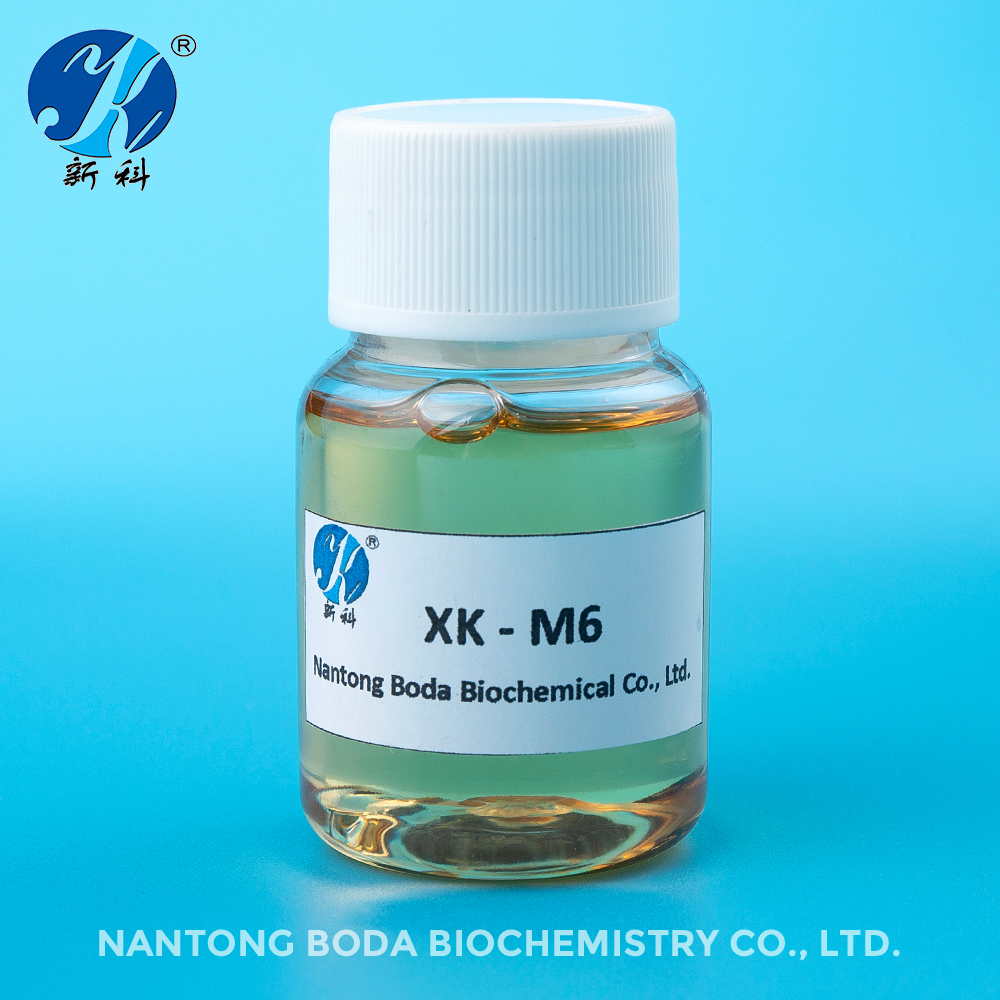 XK-M6 Wood Protective for Antifungal and Anti-Termite ProtectionA brushable concentrate for cut ends and prepared holes, offering broad protection against fungal decay and termite attack. Suitable for job-site application, with manufacturer test reports available for specification documentation.View Product →
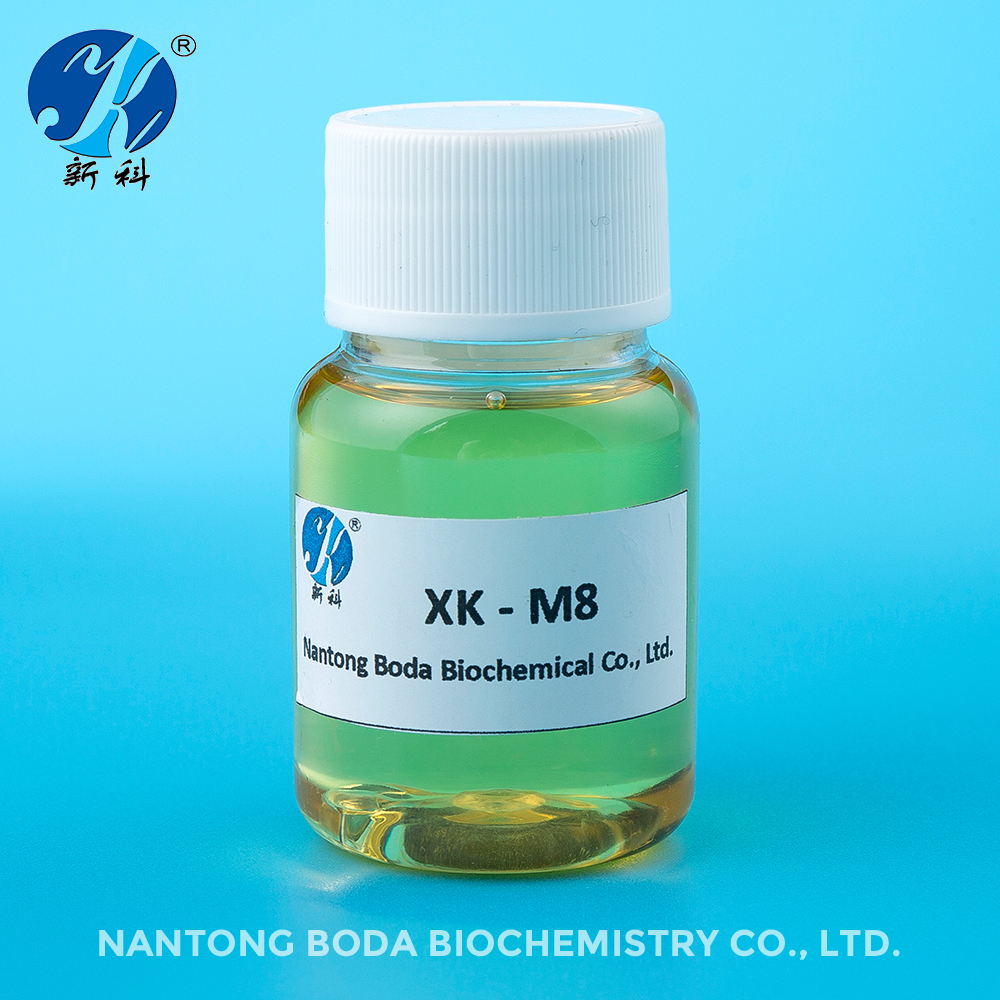 XK-M8 Wood Preservative That Retains Original ColorA brushable wood preservative designed for cuts where keeping the natural wood color is important, while still providing protection. Works with the same application workflow and is backed by manufacturer test reports.View Product →
If you are evaluating a new supplier, ask how the product behaves on fresh end grain, whether it meets the intended exposure standard, and how long the treated surface needs before it can be handled. A quick review of the XK product range shows how the same manufacturer organizes wood preservatives by end use, from timber protection to industrial antimicrobials, which makes it easier to select the right chemistry for your climate and assembly method.
The practical rule is short: cut, treat, and let dry. For every hole, notch, and saw cut in pressure-treated lumber, a cut and treat wood preservative is the repair that keeps the full member sound. Choose a product that matches the exposure, apply enough to prevent absorption, and make the treatment a standard step at the cutting station rather than an afterthought.
Understanding AWPA M4: Field Treatment Requirements for Preservative-Treated Wood
Is It OK to Burn Treated Wood? Health Risks, Toxic Smoke, and Safer Disposal Methods
Your email address will not be published. Required fields are marked *
Industrial Deodorant
Penetrating Agent
Penetrating Agent
Disinfectant Liquid
Disinfectant Liquid
Antifungal Agent for Chemical Fiber Oil

Antifungal Agent for Chemical Fiber Oil
Antifungal Agent for Chemical Fiber Oil
Antifungal Agent for Chemical Fiber Oil
Dry Film Preservatives
Dry Film Preservatives
Dry Film Preservatives

 Request A Quote
