

 English
 Español


Product Consultation
Your email address will not be published. Required fields are marked *
Wood preservatives are chemical or formulation-based products designed to protect wood from biological degradation and environmental influences. Wood, as a natural material, is vulnerable to fungi, bacteria, insects, and moisture-related damage. Preservatives are applied to slow down these processes and extend the usable life of wood in construction, furniture, landscaping, and packaging. Among the most common concerns addressed by wood preservatives are mildew growth and blue staining, both of which affect appearance and structural integrity under certain conditions.
Mildew refers to the growth of surface fungi that typically appear as dark or light patches on wood exposed to humid or poorly ventilated environments. While mildew usually affects the surface appearance rather than internal strength, it can create unpleasant odors and make wood surfaces harder to clean or finish. Blue stain, often caused by specific fungi, penetrates deeper into the sapwood and creates blue or gray discoloration. Although blue stain does not significantly reduce mechanical strength, it affects visual quality and can reduce the value of wood products intended for visible use.
Many wood preservatives are formulated to inhibit fungal activity. Anti-mildew properties are achieved by incorporating fungicidal components that prevent spores from germinating on the wood surface. These components interfere with fungal metabolism or cell structure, making it difficult for mildew to establish itself. Anti-blue stain properties work in a similar way but focus on fungi that colonize freshly cut or high-moisture wood. Preservatives designed for this purpose aim to penetrate the wood surface and create conditions that are unfavorable for stain-causing organisms.
The effectiveness of anti-mildew and anti-blue stain protection depends on how deeply the preservative penetrates the wood. Surface-applied preservatives primarily protect the outer layer, which is sufficient for reducing mildew growth caused by surface moisture. Blue stain fungi, however, often develop within the sapwood during storage or transportation, when moisture levels are high. Preservatives with better penetration capabilities are more effective against blue staining because they reach the areas where these fungi develop. The method of application, such as brushing, spraying, dipping, or pressure treatment, influences penetration depth.
Anti-mildew wood preservatives typically contain fungicidal agents that are effective against surface fungi. These may include organic biocides, metal-based compounds, or synthetic antifungal agents. The specific formulation determines how long the protection lasts and how resistant it is to leaching or weathering. Some preservatives are designed for indoor use and focus on controlling mildew in enclosed environments, while others are formulated for outdoor exposure where moisture and temperature fluctuations are more severe.
Preservatives that target blue stain are often used on freshly sawn timber, logs, or wood products that will be stored before drying or further processing. These formulations are designed to act quickly, as blue stain fungi can develop within a short time under favorable conditions. Anti-blue stain preservatives often emphasize rapid penetration and broad-spectrum fungal control. They are commonly used in sawmills, lumber yards, and during export packaging to maintain wood appearance during transit.
| Protection Focus | Primary Target | Typical Application Stage |
| Anti-mildew | Surface fungi | After processing or installation |
| Anti-blue stain | Sapwood fungi | Immediately after cutting |
| Combined protection | Multiple fungal types | Processing and storage stages |
The performance of wood preservatives with anti-mildew and anti-blue stain properties is closely linked to environmental conditions. High humidity, limited airflow, and warm temperatures promote fungal growth. Even with preservative treatment, wood exposed to persistent moisture may still develop mildew if conditions are severe. Proper storage, ventilation, and moisture control work alongside preservatives to reduce fungal risk. Understanding the environment in which the wood will be used or stored helps determine the level of protection required.
Moisture content is a key factor in both mildew and blue stain development. Fungi require moisture to grow, and wood with a high moisture content is more vulnerable. Anti-blue stain preservatives are particularly important when wood has not yet been kiln-dried and still contains high levels of moisture. As wood dries and moisture content decreases, the risk of blue stain diminishes. Anti-mildew protection remains relevant for finished wood exposed to humid conditions, especially indoors where condensation or limited airflow may occur.
The duration of protection provided by wood preservatives varies depending on formulation, application method, and exposure conditions. Surface treatments may gradually lose effectiveness due to abrasion, cleaning, or weather exposure. Deeper-penetrating preservatives tend to offer longer-lasting protection against blue stain, especially during storage and transportation. In many cases, preservatives are part of a broader protection strategy that may include coatings, paints, or sealants applied after initial treatment.
An important consideration when using wood preservatives is their compatibility with paints, stains, and coatings. Some anti-mildew and anti-blue stain preservatives are designed to be overcoated without affecting adhesion or appearance. Others may require drying or curing time before finishing. Selecting a preservative that aligns with the intended finishing process helps avoid surface issues and ensures that both aesthetic and protective goals are met.
Preservatives used indoors often prioritize low odor, reduced volatility, and compatibility with living environments. Their anti-mildew properties are tailored to control surface fungi in areas such as basements, furniture, or interior structures. Outdoor preservatives, on the other hand, are formulated to withstand rain, sunlight, and temperature changes. These products often provide both anti-mildew and anti-blue stain protection, especially for wood exposed to weather or ground contact. The intended use environment influences formulation choices and application recommendations.
| Application Environment | Main Risk | Preservative Focus |
| Indoor | Surface mildew | Low-odor anti-mildew agents |
| Outdoor | Mildew and staining | Weather-resistant formulations |
| Storage and transport | Blue stain | Fast-acting penetrative agents |
While wood preservatives can reduce the risk of mildew and blue stain, they do not eliminate all potential issues. Improper application, uneven coverage, or insufficient penetration can reduce effectiveness. Additionally, preservatives cannot compensate for prolonged exposure to extreme moisture or poor storage practices. Understanding these limitations helps set realistic expectations and encourages complementary measures such as moisture control and proper handling.
The method used to apply a wood preservative affects its ability to provide anti-mildew and anti-blue stain protection. Brushing and spraying are common for surface protection, while dipping and pressure treatment allow for deeper penetration. Pressure treatment is often used when long-term protection is required, especially for structural or outdoor wood. Selecting an appropriate application method ensures that the preservative performs as intended for the specific use case.
Wood preservatives containing anti-mildew and anti-blue stain agents are subject to regulatory requirements in many regions. These regulations address environmental impact, human exposure, and disposal. Users should follow manufacturer guidelines and local regulations when applying preservatives. Proper handling, protective equipment, and ventilation help reduce exposure risks. Understanding regulatory considerations supports responsible and safe use of preservative products.
Assessing the effectiveness of anti-mildew and anti-blue stain protection involves observing changes in wood appearance over time. Early signs of discoloration or surface growth may indicate that reapplication or additional protection is needed. Regular inspection is especially important in environments with high humidity or variable weather conditions. Monitoring performance helps maintain wood quality and informs future treatment decisions.
Wood preservatives with anti-mildew and anti-blue stain properties are most effective when used as part of a broader protection strategy. This may include proper drying, controlled storage conditions, surface coatings, and routine maintenance. By combining these approaches, users can reduce the likelihood of fungal growth and maintain the appearance and usability of wood products across different applications.
Wood Preservatives: Keeping Timber Strong and Lasting Longer
Do wood preservatives have any odor or harmful volatile substances?
Your email address will not be published. Required fields are marked *
Industrial Deodorant
Penetrating Agent
Penetrating Agent
Disinfectant Liquid
Disinfectant Liquid
Antifungal Agent for Chemical Fiber Oil

Antifungal Agent for Chemical Fiber Oil
Antifungal Agent for Chemical Fiber Oil
Antifungal Agent for Chemical Fiber Oil
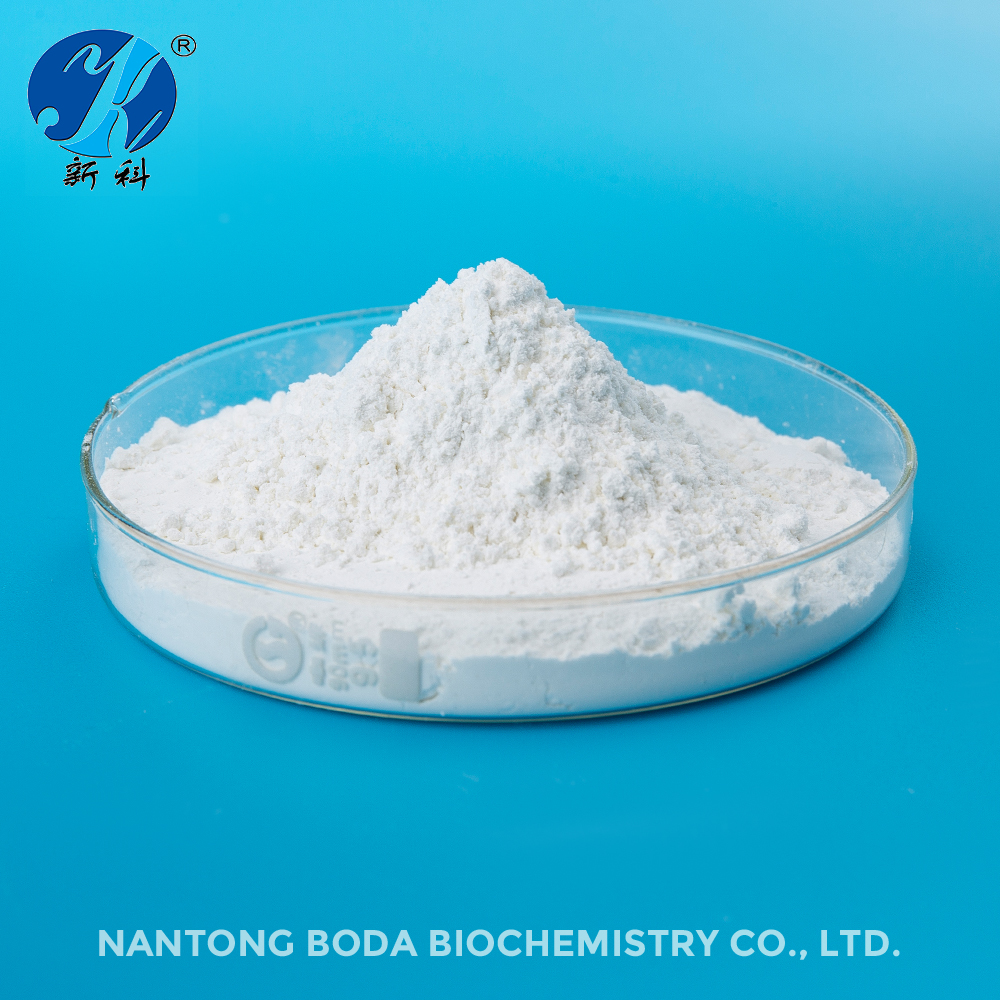
Dry Film Preservatives
Dry Film Preservatives
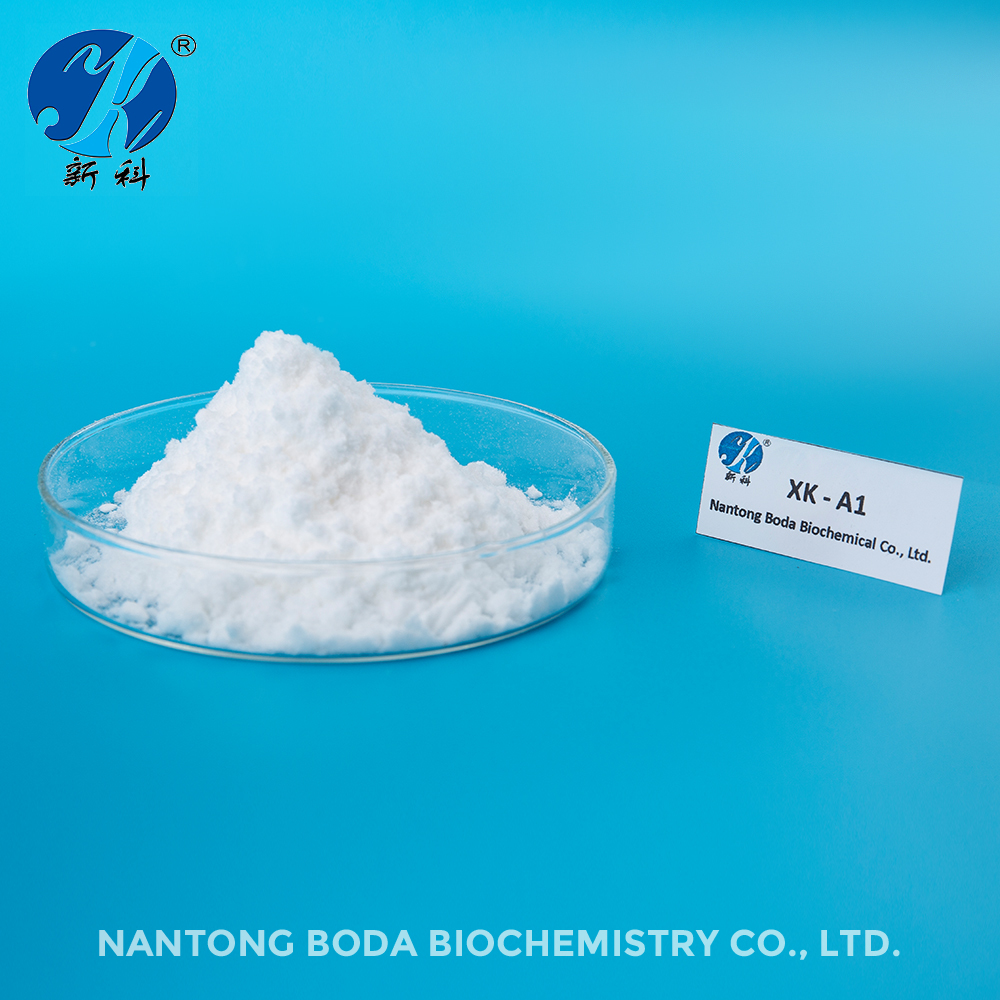
Dry Film Preservatives

 Request A Quote
