

 English
 Español


Product Consultation
Your email address will not be published. Required fields are marked *
Wood preservatives are chemicals applied to wood to protect it from decay, insects, and other environmental damage. These products are used widely in various industries, including construction, furniture manufacturing, and outdoor installations, where wood is exposed to harsh weather conditions. Wood preservatives help prolong the life of wood products by making them more resistant to rot, fungi, termites, and other biological agents. However, one common concern with wood preservatives is whether they contain odors or harmful volatile substances.
Wood preservatives come in different forms, each formulated for specific purposes and conditions. The most common types include water-based, oil-based, and solvent-based preservatives. Each of these types has its own characteristics, which can influence factors such as odor, volatility, and safety. Water-based preservatives are known for being more environmentally friendly, as they contain fewer harmful chemicals and emit less odor during application. Oil-based preservatives, on the other hand, tend to have stronger odors due to the solvents used in their formulation. Solvent-based preservatives, while effective, are also associated with higher levels of volatile organic compounds (VOCs), which can contribute to both odor and potential health risks.
The odor produced by wood preservatives varies depending on the chemicals and solvents used in their formulation. Water-based wood preservatives tend to have little to no odor because they are primarily composed of water and low-toxicity chemicals. This makes them an attractive option for indoor applications where minimizing odor is important. However, even some water-based formulations can emit a mild smell due to the presence of preservatives or other ingredients. This odor is generally not strong enough to cause discomfort or health concerns in well-ventilated areas.
Oil-based and solvent-based wood preservatives, in contrast, often produce a much stronger odor. This is primarily due to the presence of petroleum-based solvents, which are used to help the preservatives penetrate the wood more effectively. The odor associated with these products can be pungent and may linger for an extended period, especially in enclosed spaces. For individuals sensitive to odors or those applying preservatives in poorly ventilated areas, this can be an issue. The smell can also be unpleasant for nearby individuals or pets.
Volatile organic compounds (VOCs) are chemicals that can easily evaporate into the air at room temperature. Many wood preservatives, especially oil-based and solvent-based types, contain VOCs that contribute to both their odor and potential health risks. VOCs are often used in the manufacturing of preservatives to help the product spread evenly and adhere to the wood. However, these compounds can have harmful effects on indoor air quality and human health, particularly when the products are used in poorly ventilated areas.
Common VOCs found in wood preservatives include formaldehyde, toluene, xylene, and benzene. These chemicals can irritate the eyes, skin, and respiratory system, and long-term exposure may lead to more serious health concerns. For example, prolonged exposure to high levels of formaldehyde has been linked to an increased risk of cancer. As such, it is important for consumers to be aware of the VOC content in the wood preservatives they use, especially when applying them indoors or in confined spaces.
The presence of VOCs and other chemicals in wood preservatives can raise concerns about potential health risks. Short-term exposure to high levels of VOCs can cause headaches, dizziness, nausea, and irritation of the eyes, nose, and throat. These symptoms are typically temporary and subside once the affected individual is removed from the source of exposure. However, long-term or repeated exposure to VOCs can lead to more serious health problems, including respiratory issues, damage to the liver and kidneys, and an increased risk of cancer.
In addition to VOCs, certain wood preservatives contain toxic substances such as copper, arsenic, and chromium. These heavy metals can be harmful if inhaled or ingested, particularly if the wood is used in environments where children or pets may come into contact with it. While the levels of these substances in wood preservatives are regulated, they still pose a risk if proper safety precautions are not taken during application. For this reason, it is essential to follow the manufacturer’s instructions carefully and to use protective gear, such as gloves, masks, and goggles, when applying these products.
To address the potential health risks associated with wood preservatives, various regulatory bodies have established safety standards and guidelines for their use. In the United States, the Environmental Protection Agency (EPA) regulates the use of wood preservatives, ensuring that they meet specific safety criteria for both humans and the environment. These regulations aim to limit the concentration of harmful substances, such as VOCs and heavy metals, in commercially available wood preservatives. Additionally, the EPA requires manufacturers to label their products with warnings and safety instructions to help consumers minimize exposure to potentially harmful chemicals.
In the European Union, wood preservatives are also subject to strict regulations that limit the use of certain harmful chemicals. The European Chemicals Agency (ECHA) oversees the regulation of wood preservatives under the REACH (Registration, Evaluation, Authorization, and Restriction of Chemicals) program. This program ensures that wood preservatives are safe for both consumers and the environment, and it restricts the use of hazardous substances in these products. Furthermore, products that are labeled as low-VOC or VOC-free are available in the market, providing consumers with safer alternatives that reduce the risk of indoor air pollution.
There are several strategies that can help reduce exposure to the odors and harmful volatile substances present in wood preservatives. One of the most effective methods is to ensure proper ventilation during and after application. When applying wood preservatives indoors, it is crucial to open windows and use fans to improve airflow and allow the chemicals to dissipate. Ventilating the area for several hours after application can help reduce the concentration of VOCs and minimize the lingering odor.
For outdoor applications, it is important to apply the preservatives on days when the weather is mild and there is enough ventilation to disperse the fumes. If possible, consider applying the preservatives in a shaded area to reduce direct sunlight exposure, which can cause the chemicals to evaporate more quickly. Wearing protective equipment, such as a respirator mask and gloves, can also help reduce direct exposure to harmful chemicals during application. This is especially important when using solvent-based or oil-based preservatives, which tend to contain higher levels of VOCs.
As concerns about the potential hazards of conventional wood preservatives have grown, many manufacturers have begun offering eco-friendly alternatives that contain fewer harmful chemicals and lower levels of VOCs. These products often rely on natural ingredients or bio-based compounds to protect wood from decay and pests. For example, some eco-friendly wood preservatives use plant-based oils, such as linseed or soybean oil, to penetrate the wood and provide protection without the use of toxic solvents or heavy metals.
Another option is to choose water-based wood preservatives, which typically contain fewer VOCs than their oil-based or solvent-based counterparts. Water-based preservatives are often preferred for indoor applications because they emit less odor and are less harmful to indoor air quality. These products may not be as effective in certain high-risk environments, such as outdoor areas exposed to moisture, but they offer a safer alternative for those looking to reduce their exposure to harmful substances.
Wood preservatives are essential for protecting wood products from decay, insects, and other environmental factors. However, they can also contain harmful volatile substances and produce unpleasant odors that may pose risks to human health and indoor air quality. The degree of odor and the concentration of VOCs depend on the type of preservative used, with oil-based and solvent-based products typically emitting stronger odors and containing higher levels of VOCs. To minimize the risks associated with wood preservatives, it is important to follow safety guidelines, ensure proper ventilation, and consider eco-friendly alternatives. By understanding the potential health impacts and making informed choices, consumers can effectively balance the need for wood protection with the desire for a healthier, safer environment.
Do wood preservatives have anti-mildew and anti-blue staining properties?
Is wood fungicide suitable for new wood, old wood, or refinished wood?
Your email address will not be published. Required fields are marked *
Industrial Deodorant
Penetrating Agent
Penetrating Agent
Disinfectant Liquid
Disinfectant Liquid
Antifungal Agent for Chemical Fiber Oil

Antifungal Agent for Chemical Fiber Oil
Antifungal Agent for Chemical Fiber Oil
Antifungal Agent for Chemical Fiber Oil
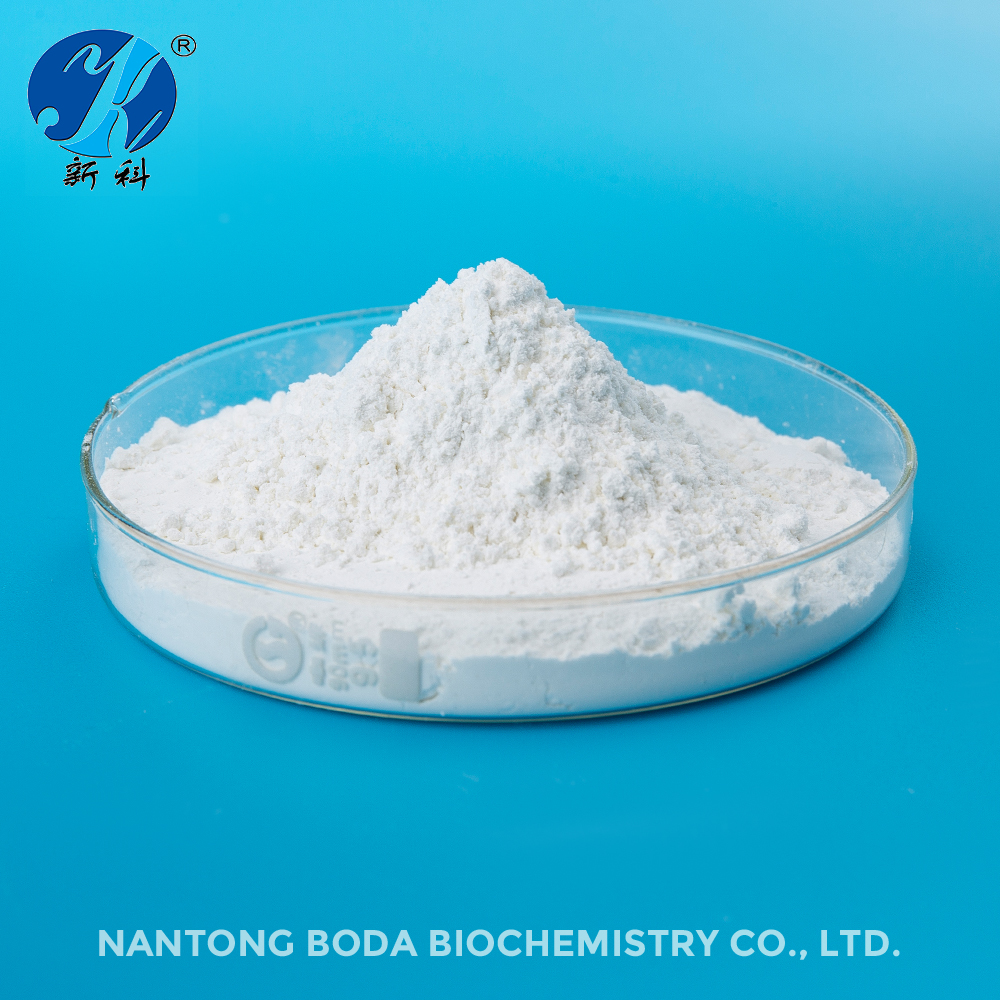
Dry Film Preservatives
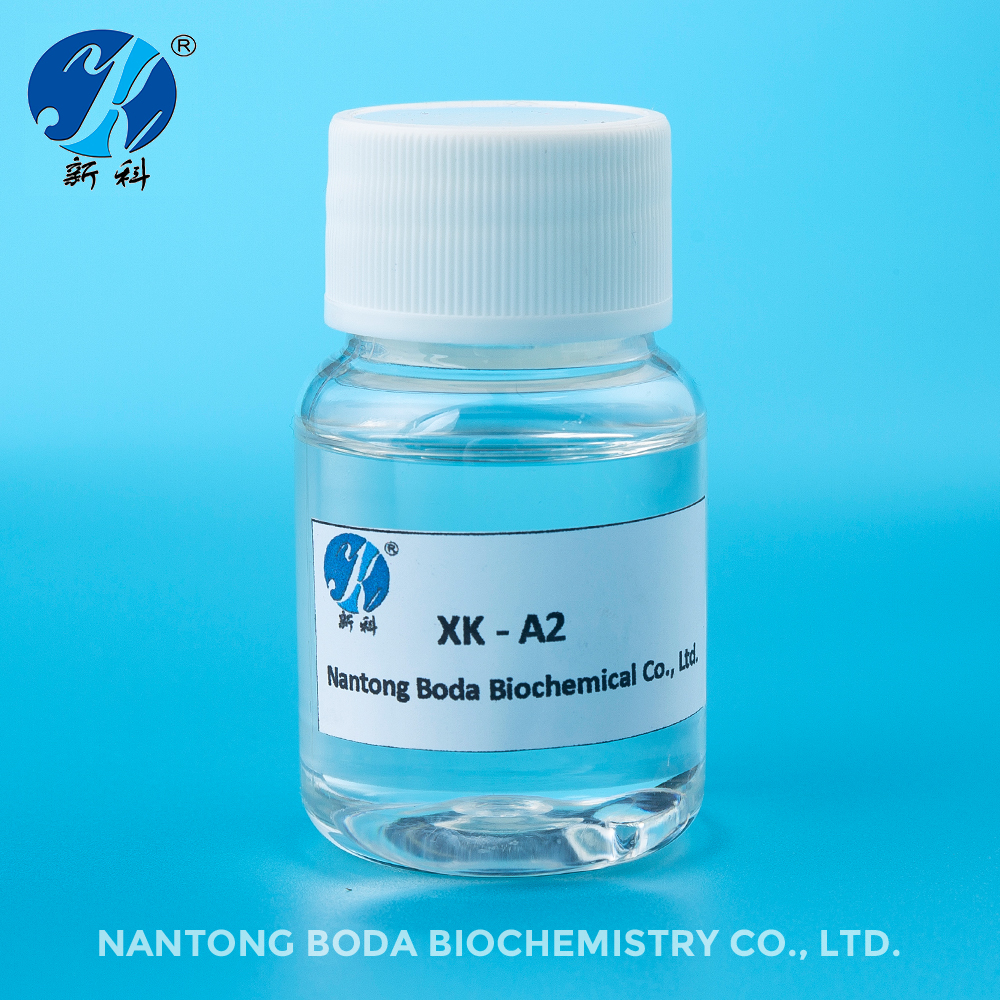
Dry Film Preservatives
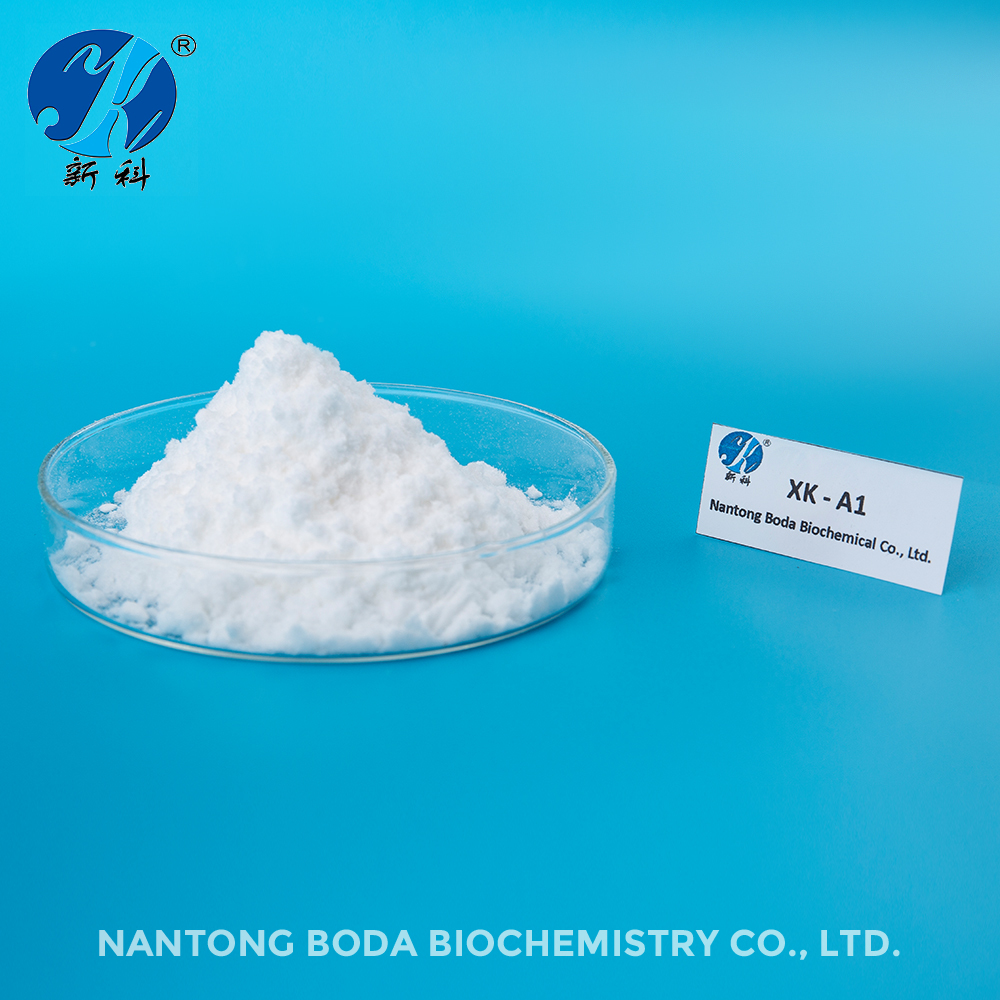
Dry Film Preservatives

 Request A Quote
