

 English
 Español


Product Consultation
Your email address will not be published. Required fields are marked *
Wood preservatives are designed to protect timber from decay, fungi, insects, and environmental wear. The chemical composition of a preservative directly influences its effectiveness and potential health or environmental impact. Common wood preservatives include water-based solutions, oil-based treatments, and chemical formulations that penetrate the wood fibers. Evaluating whether a wood preservative contains heavy metals or harmful chemicals requires an understanding of its formulation, regulatory compliance, and intended use scenarios.
Heavy metals such as arsenic, chromium, and copper have historically been used in wood preservatives due to their fungicidal and insecticidal properties. Modern regulations and market demands have led to the reduction or elimination of certain heavy metals in consumer-grade products. Wood preservatives today are often labeled to indicate compliance with safety standards that limit or prohibit toxic metal content, thereby reducing potential risk to humans, pets, and the environment.
Organic preservatives rely on carbon-based compounds, such as borates or synthetic fungicides, to protect wood. Inorganic preservatives often contain salts or metal complexes. While inorganic preservatives can be highly effective against decay and insects, they may contain heavy metals if traditional formulas are used. Organic formulations tend to have lower metal content and are considered safer for indoor use or applications where direct contact is likely.
Various international and national standards guide the production and sale of wood preservatives. These standards often specify maximum permissible concentrations of heavy metals, volatile organic compounds (VOCs), and other potentially harmful chemicals. Products compliant with regulations from organizations such as the Environmental Protection Agency (EPA) or European Chemicals Agency (ECHA) have been tested to ensure that their chemical composition meets safety criteria.
Wood preservatives that contain heavy metals or certain synthetic chemicals may pose risks through skin contact, inhalation of vapors, or accidental ingestion. Modern products are formulated to minimize such risks. Safety data sheets (SDS) provide detailed information on chemical composition, toxicity, handling precautions, and recommended protective measures. Users should review these documents to understand potential hazards and safe usage practices.
Preservatives with heavy metals or persistent chemicals can accumulate in soil and water, potentially affecting plant and animal life. Regulatory compliance ensures that modern wood preservatives have limited environmental impact. Water-based and low-VOC preservatives are designed to reduce chemical leaching and are often preferred for outdoor applications near water bodies or public spaces.
Manufacturers typically provide ingredient lists and hazard information on labels. Phrases such as “heavy metal-free,” “low VOC,” or “borate-based” indicate a reduced presence of harmful compounds. Transparency in labeling allows consumers and professionals to make informed choices and ensures that products used for indoor or sensitive applications are safer for long-term exposure.
High-performance wood preservatives must balance chemical potency with safety. Substituting heavy metals with organic biocides, borates, or copper complexes in controlled concentrations can maintain protective efficacy while minimizing health risks. Laboratory testing and long-term field trials help confirm that such formulations effectively prevent decay and insect damage without introducing excessive hazards.
Even when a wood preservative is free from heavy metals or harmful chemicals, proper handling is essential. Wearing gloves, protective clothing, and adequate ventilation reduces direct contact and inhalation risk. Proper storage, away from food or drink and out of reach of children, further minimizes potential exposure. Disposal should follow local regulations to avoid environmental contamination.
The following table summarizes common preservative types and their chemical safety profile:
| Type | Common Chemicals | Heavy Metal Content | Typical Use |
|---|---|---|---|
| Water-Based | Borates, Copper Compounds | Low or none | Indoor furniture, structural timber |
| Oil-Based | Creosote, Synthetic oils | Minimal to moderate depending on formula | Outdoor decking, poles, railroad ties |
| Organic Synthetic | Fungicides, Insecticides | None | Indoor and sensitive areas |
Reputable wood preservative manufacturers perform chemical analysis to verify that heavy metal content and toxic chemical levels meet safety standards. Third-party certifications, including eco-labels, indicate compliance and provide additional assurance. Testing methods may include spectroscopy, chromatography, and other analytical techniques to ensure accuracy.
Preservatives that are free from heavy metals or harmful chemicals are generally safer for repeated human contact and for treating wood in household or public applications. Compatibility with various wood species and finishes is also considered, as some chemicals may interact with coatings, adhesives, or paints over time. Modern formulations are designed to maintain both material performance and user safety.
Nantong Boda Biochemistry Co., Ltd. Welcomes Overseas Clients for On-Site Audit and Factory Inspection
Wood Preservatives: Keeping Timber Strong and Lasting Longer
Your email address will not be published. Required fields are marked *
Industrial Deodorant
Penetrating Agent
Penetrating Agent
Disinfectant Liquid
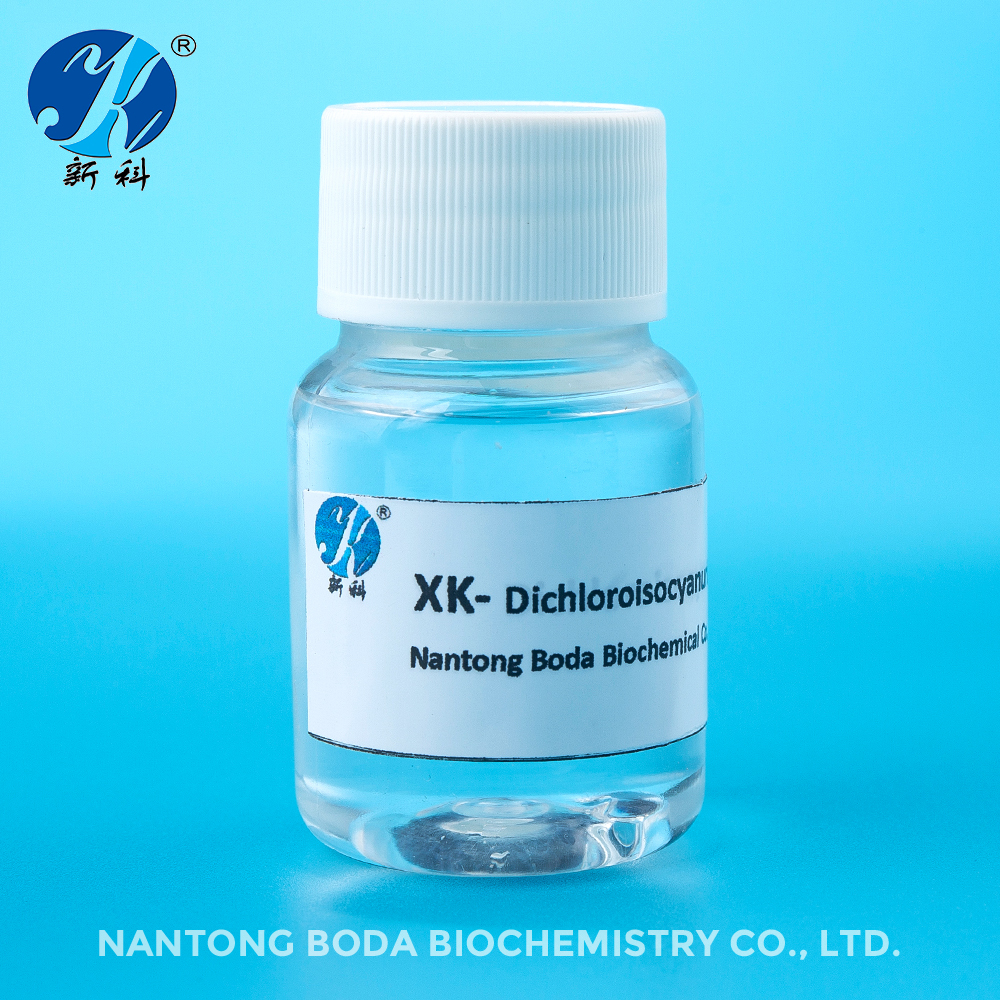
Disinfectant Liquid
Antifungal Agent for Chemical Fiber Oil

Antifungal Agent for Chemical Fiber Oil
Antifungal Agent for Chemical Fiber Oil
Antifungal Agent for Chemical Fiber Oil
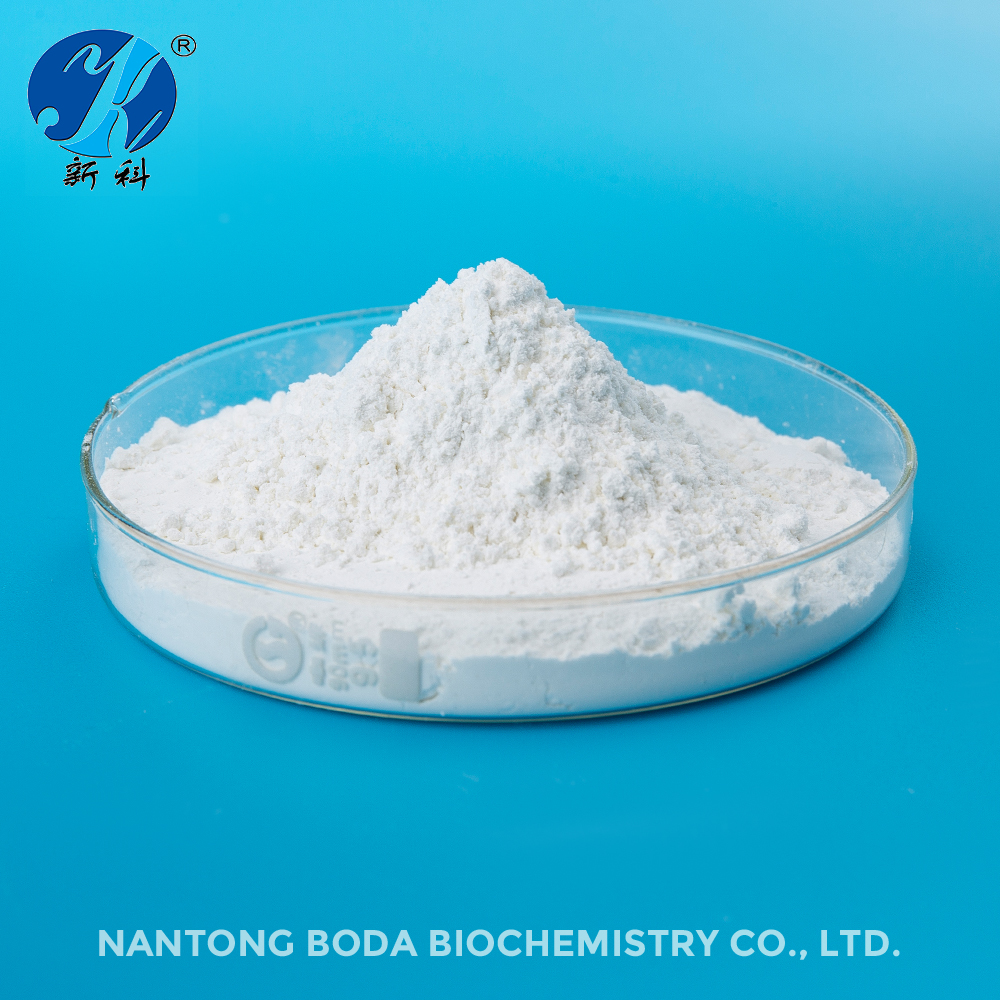
Dry Film Preservatives
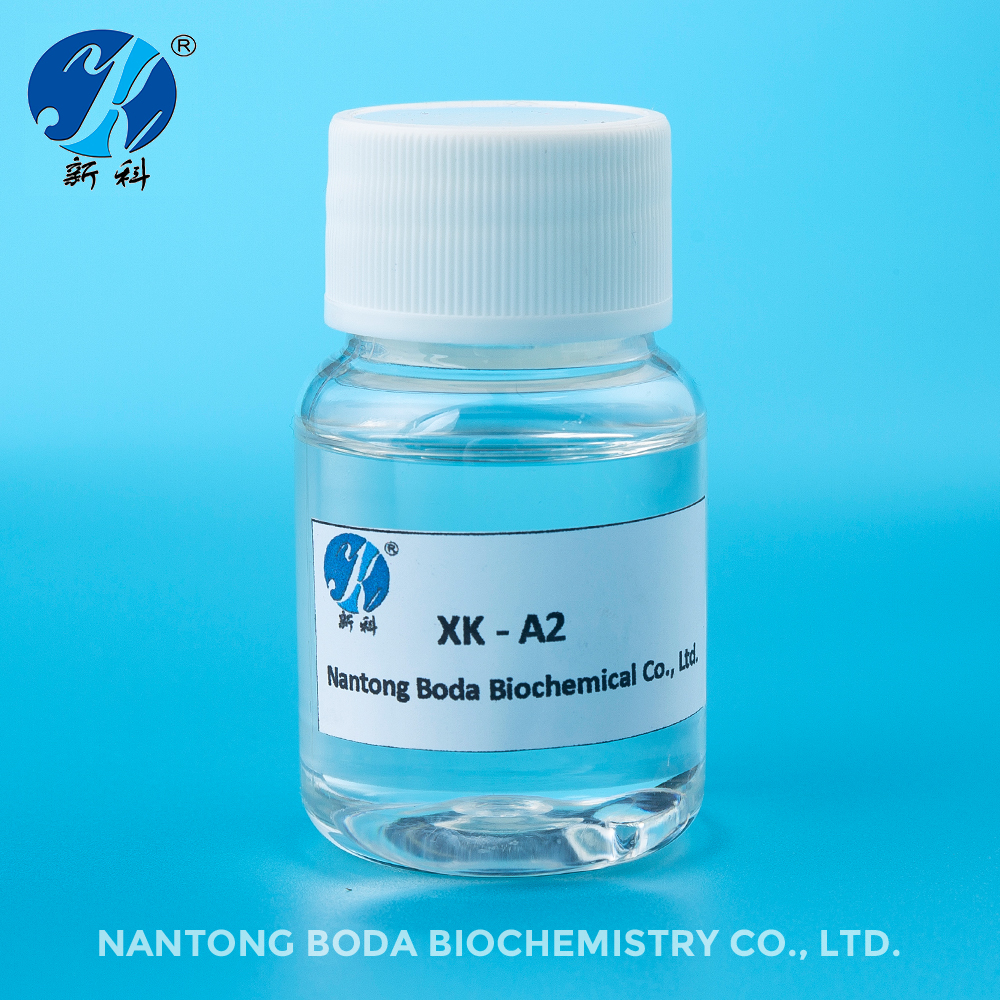
Dry Film Preservatives
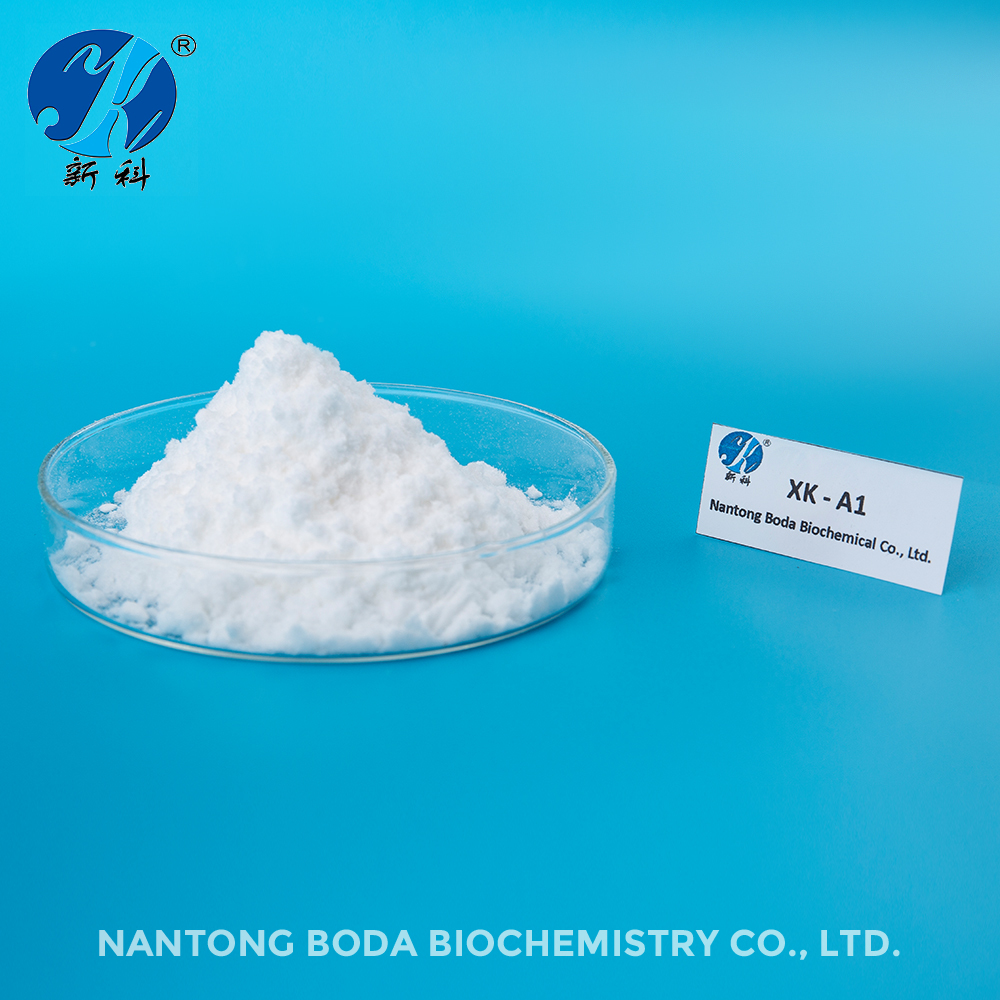
Dry Film Preservatives

 Request A Quote
