

 English
 Español


Product Consultation
Your email address will not be published. Required fields are marked *
Wood is a versatile and widely used material in construction, furniture making, and various other industries due to its natural beauty, flexibility, and strength. However, wood is susceptible to damage from environmental factors such as moisture, pests, and fungi, which can compromise its strength and durability. To mitigate these risks, wood preservatives are applied to protect the wood from these harmful effects. Wood preservatives are chemicals or solutions that are used to treat wood to enhance its resistance to biological and environmental threats. This treatment helps maintain the wood's structural integrity, ensuring its longevity in various applications.
Wood preservatives serve as a protective barrier that prevents the wood from absorbing moisture, which can lead to swelling, rotting, or warping. Additionally, preservatives protect against the attack of insects, fungi, and other microorganisms that can weaken the structure of the wood. The treatment involves applying specific chemicals that penetrate the wood fibers and provide long-term protection. These chemicals often contain biocides, fungicides, and insecticides that target wood-destroying pests and organisms. By using preservatives, the wood is shielded from decay and degradation, which can enhance its longevity and prevent costly repairs or replacements.
There are several different types of wood preservatives available, each designed for specific purposes and applications. The choice of preservative depends on the environment in which the wood will be used and the level of protection required. Some of the most common types of wood preservatives include:
The application of wood preservatives can have both positive and negative effects on the strength of wood, depending on the type of preservative used and how the wood is treated. Generally, preservatives help improve the strength of wood by preventing biological factors that could weaken it over time, such as rot and insect infestations. For example, treated wood that is protected from fungal decay retains its structural integrity for much longer than untreated wood exposed to moisture.
However, certain preservatives, especially those that involve a deep penetration process like pressure treatment, can slightly affect the wood’s mechanical properties. The chemicals used in these treatments can fill the pores of the wood, which may impact its ability to absorb and release moisture naturally. This change in moisture content can cause slight dimensional changes, such as swelling or shrinkage, which may influence the wood's strength in specific applications. Moreover, some treatments, such as the use of high levels of copper in preservatives, can make the wood more brittle or less flexible, which can reduce its overall strength in certain conditions.
Wood preservatives are primarily designed to enhance the durability of wood, making it more resistant to external elements that can cause deterioration over time. One of the main benefits of using wood preservatives is the extension of the wood’s lifespan. When applied correctly, preservatives help protect the wood from a range of threats, including moisture, pests, and fungi, which are the primary causes of wood decay.
For example, treated wood used in outdoor applications such as fences and decks is more resistant to rot caused by moisture, which can significantly extend the wood’s useful life. Similarly, preservatives prevent termites and other insects from destroying the wood fibers, further enhancing its durability. Additionally, preservatives can prevent mold and mildew growth, which not only damages the wood but can also affect its appearance. By making the wood more resistant to these harmful elements, preservatives can dramatically improve the durability and performance of the material over time.
In addition to protecting the wood’s strength and durability, wood preservatives can also affect its appearance. Some preservatives may alter the color of the wood, giving it a darker or more uniform tone. For example, creosote treatment often darkens the wood significantly, giving it a rich brown or black appearance. This color change can be desirable in some applications, such as for outdoor decking or utility poles, but may not be suitable for interior furniture or decorative uses where the natural color of the wood is preferred.
Water-based preservatives tend to have less impact on the wood’s appearance, and many formulations are clear or slightly tinted to preserve the natural look of the wood. However, while they are effective at protecting the wood, they may not provide as long-lasting protection as oil-based preservatives. Some wood preservatives are also designed to enhance the wood’s grain patterns and overall aesthetic qualities, making them a popular choice for high-end furniture and cabinetry.
While wood preservatives provide many benefits, they also raise concerns regarding their environmental impact and potential health risks. Some preservatives, such as creosote, are toxic and can pose health risks to both the environment and the people handling the treated wood. For example, prolonged exposure to creosote can cause skin irritation and respiratory issues. As a result, some preservatives are being replaced with more environmentally friendly alternatives, such as copper-based preservatives, which are less toxic but still effective at preventing decay and insect damage.
Another consideration is the disposal of treated wood. Pressure-treated wood, particularly that treated with copper, chromium, or arsenic-based preservatives, can pose environmental hazards if it is not disposed of properly. These chemicals can leach into the soil and water if the wood is burned or left in landfills, potentially contaminating the surrounding environment. For this reason, it is important to ensure that treated wood is disposed of safely and in compliance with local regulations.
In conclusion, wood preservatives play a significant role in enhancing the strength and durability of wood, especially when used in outdoor and high-moisture environments. They protect the wood from decay, insect damage, and fungal growth, all of which can weaken its structure over time. While preservatives can have some impact on the mechanical properties of the wood, particularly with deep-penetration treatments, their primary function is to extend the lifespan of the wood and ensure its performance in demanding applications. By choosing the appropriate type of preservative for specific needs and properly maintaining treated wood, individuals can enjoy long-lasting, durable wood products in both residential and commercial settings.
Are preservative antifungal agents potentially harmful to human health?
Is the antifungal agent safe for human contact or ingestion (if food-related)?
Your email address will not be published. Required fields are marked *
Industrial Deodorant
Penetrating Agent
Penetrating Agent
Disinfectant Liquid
Disinfectant Liquid
Antifungal Agent for Chemical Fiber Oil

Antifungal Agent for Chemical Fiber Oil
Antifungal Agent for Chemical Fiber Oil
Antifungal Agent for Chemical Fiber Oil
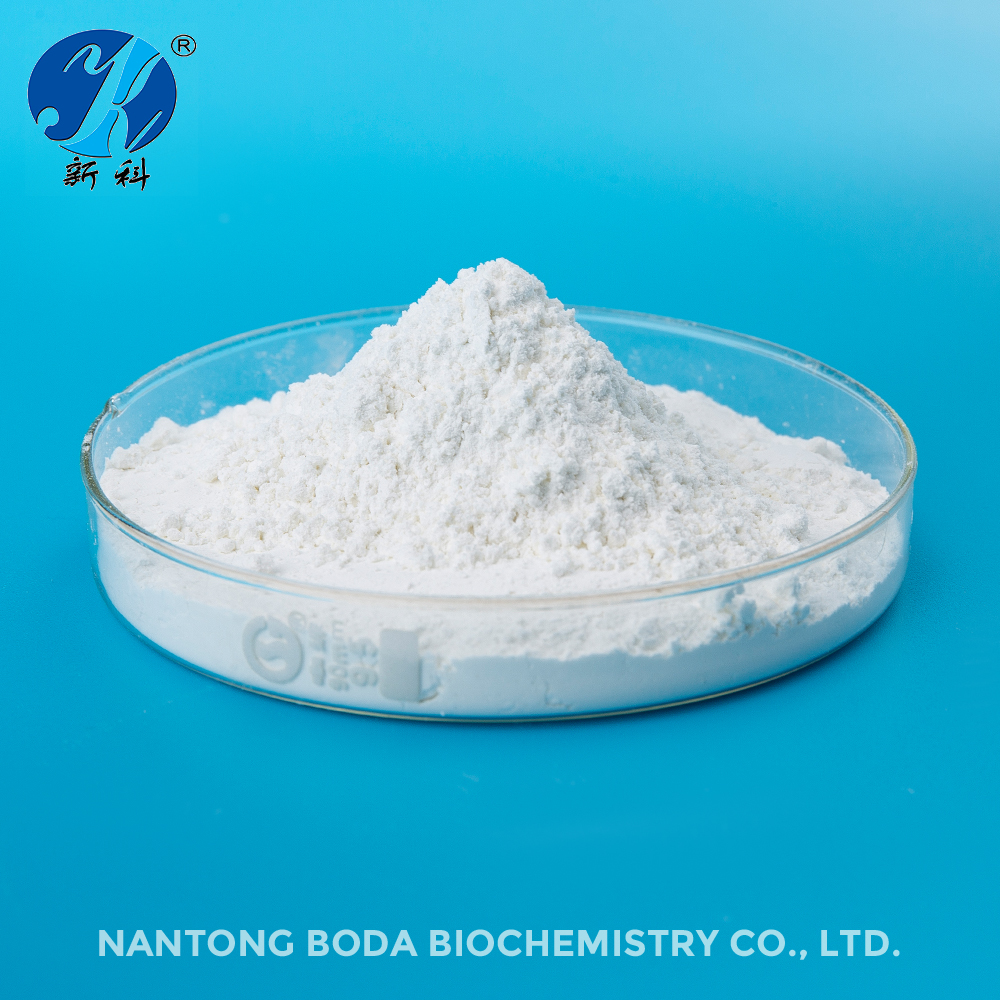
Dry Film Preservatives
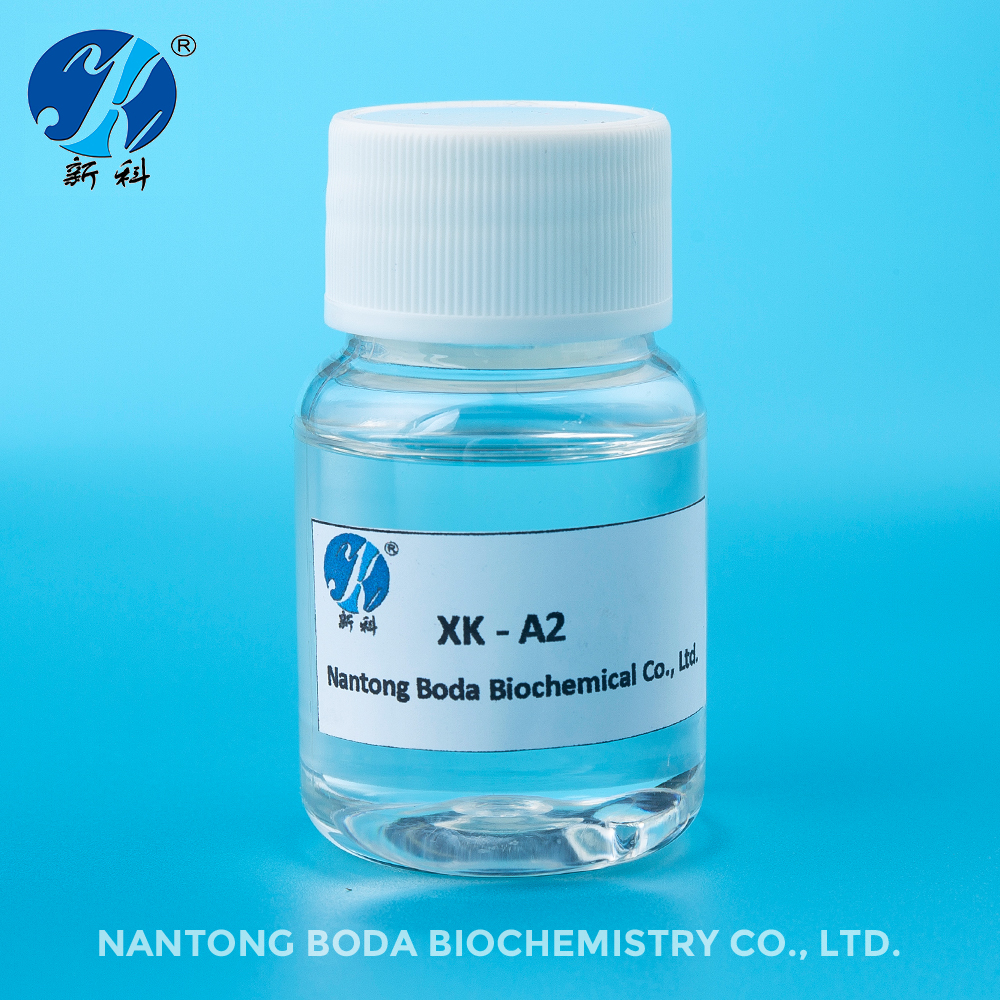
Dry Film Preservatives
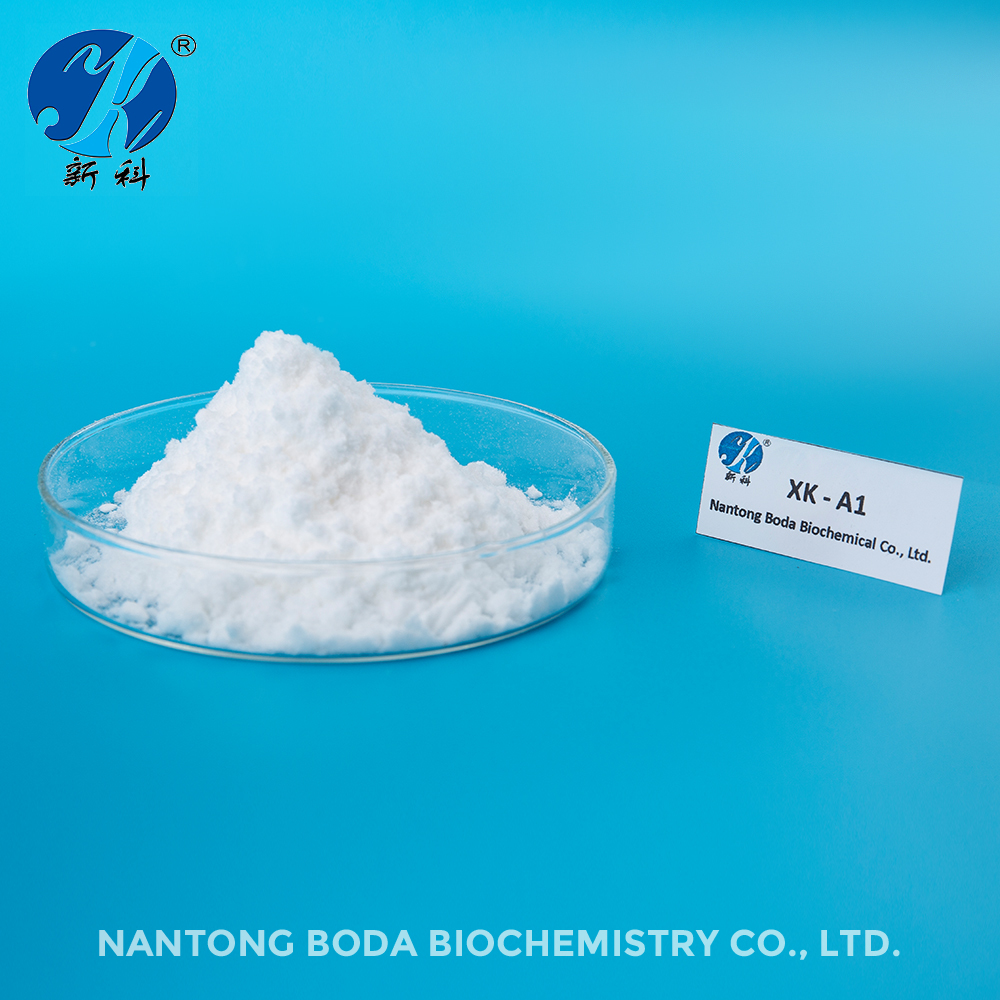
Dry Film Preservatives

 Request A Quote
