

 English
 Español


Product Consultation
Your email address will not be published. Required fields are marked *
Wood, being an organic material, is susceptible to various forms of degradation due to environmental factors, including moisture, fungi, and insects. Over time, this can lead to corrosion and decay, which reduces its structural integrity and longevity. To combat these challenges, wood preservatives have been developed. These chemicals are applied to wood surfaces to enhance their natural resistance to environmental factors that contribute to deterioration. Wood preservatives can provide a protective layer that improves the corrosion resistance of wood, ensuring its durability and longevity in various applications. The main types of preservatives and their methods of application vary, but they all aim to improve the wood's ability to withstand environmental stresses.
Wood preservatives can be broadly categorized into two main types: water-based preservatives and oil-based preservatives. Both types work by either chemically bonding with the wood or by forming a physical barrier that prevents moisture and contaminants from entering the wood structure.
Water-based preservatives typically contain active ingredients such as copper, zinc, or other inorganic compounds. These compounds have antifungal and antibacterial properties, which help prevent fungal growth and insect infestations. The preservatives penetrate the wood fibers, chemically bonding with the cell wall to provide long-lasting protection. Copper-based preservatives, for instance, are often used in outdoor applications, such as decks and fences, due to their effectiveness in preventing rot and corrosion caused by moisture exposure.
On the other hand, oil-based preservatives, such as creosote or pentachlorophenol, are often used for wood exposed to harsh outdoor conditions, such as utility poles and railroad ties. These preservatives work by seeping into the wood and creating a water-repellent layer that protects the wood from moisture. They also have strong insect-repelling properties, which is particularly useful in preventing infestations that can accelerate the degradation of wood.
The primary way in which wood preservatives improve corrosion resistance is by enhancing the wood's ability to resist water penetration. Wood is naturally hygroscopic, meaning it absorbs water from its environment, which can lead to swelling, warping, and, over time, the growth of decay-causing fungi. When wood preservatives are applied, they form a barrier that prevents moisture from entering the wood cells. By reducing moisture uptake, preservatives help maintain the wood's structural integrity and prevent the chemical and biological processes that lead to corrosion.
In addition to moisture protection, certain preservatives contain active ingredients that directly improve corrosion resistance. For example, copper-based preservatives have been shown to be particularly effective at preventing corrosion in wood used in contact with metals, such as screws or nails. Copper ions can prevent the electrochemical reactions that lead to rust formation on the metal, thus reducing the overall corrosion potential of wood structures. This is especially important for outdoor installations, such as wooden fences or structures in coastal environments, where the presence of salt can accelerate both wood decay and metal corrosion.
There are several methods for applying wood preservatives, each with its own advantages and suitability for specific applications. The most common methods include pressure treatment, surface coating, and immersion. The choice of application method largely depends on the type of wood, its intended use, and the level of protection required.
Pressure treatment involves placing wood into a vacuum chamber where the preservative is forced into the wood fibers under high pressure. This method ensures that the preservative penetrates deeply into the wood, providing long-lasting protection. Pressure-treated wood is commonly used in applications where the wood will be in direct contact with the ground or exposed to the elements, such as utility poles, fence posts, and decking.
Surface coating is a less invasive method of applying preservatives. In this process, a preservative is applied to the surface of the wood using brushes, sprays, or rollers. This method is often used for wood that is already installed or in applications where deep penetration is not necessary. While surface coatings provide a protective layer, they may need to be reapplied periodically, as the protective layer can wear off over time due to exposure to weather conditions.
Immersion involves dipping the wood into a solution of preservative, allowing the chemical to penetrate the wood's surface. This method is often used for smaller pieces of wood or in applications where thorough treatment is needed but pressure treatment is not feasible. The immersion method is also suitable for wood used in decorative or furniture applications, where aesthetics are important and deep penetration is not required.
While wood preservatives are highly effective in improving the corrosion resistance of wood, it is important to consider the environmental and safety aspects of their use. Some preservatives, particularly older formulations, contain chemicals that may pose environmental risks. For example, creosote and pentachlorophenol, which are used in oil-based preservatives, can be toxic to aquatic life and may leach into the soil. As a result, their use has become increasingly restricted in certain regions.
To address these concerns, modern wood preservatives have been developed that are both effective and environmentally friendly. Water-based preservatives, which often contain less toxic ingredients, are becoming more popular for residential and commercial applications. Additionally, there is ongoing research into biodegradable preservatives that offer corrosion resistance without posing risks to the environment.
Wood preservatives are widely used in various industries, including construction, furniture making, and agriculture. In the construction industry, pressure-treated wood is commonly used for building foundations, decks, and fences. These structures are exposed to moisture and temperature fluctuations, which makes them prone to rot and corrosion. By using wood preservatives, builders can ensure that these structures last longer and require less maintenance over time.
In the agricultural sector, wood preservatives are used to protect wooden storage bins and agricultural buildings from the effects of moisture, fungi, and pests. These structures are often in contact with soil or exposed to high humidity, which increases the risk of corrosion and decay. By using preservatives, farmers can extend the life of these structures and reduce the need for frequent repairs or replacements.
Does industrial deodorant have environmentally friendly properties such as non-toxic, non-irritating, and biodegradable?
In which engineering scenarios must wood preservatives be used?
Your email address will not be published. Required fields are marked *
Industrial Deodorant
Penetrating Agent
Penetrating Agent
Disinfectant Liquid
Disinfectant Liquid
Antifungal Agent for Chemical Fiber Oil

Antifungal Agent for Chemical Fiber Oil
Antifungal Agent for Chemical Fiber Oil
Antifungal Agent for Chemical Fiber Oil
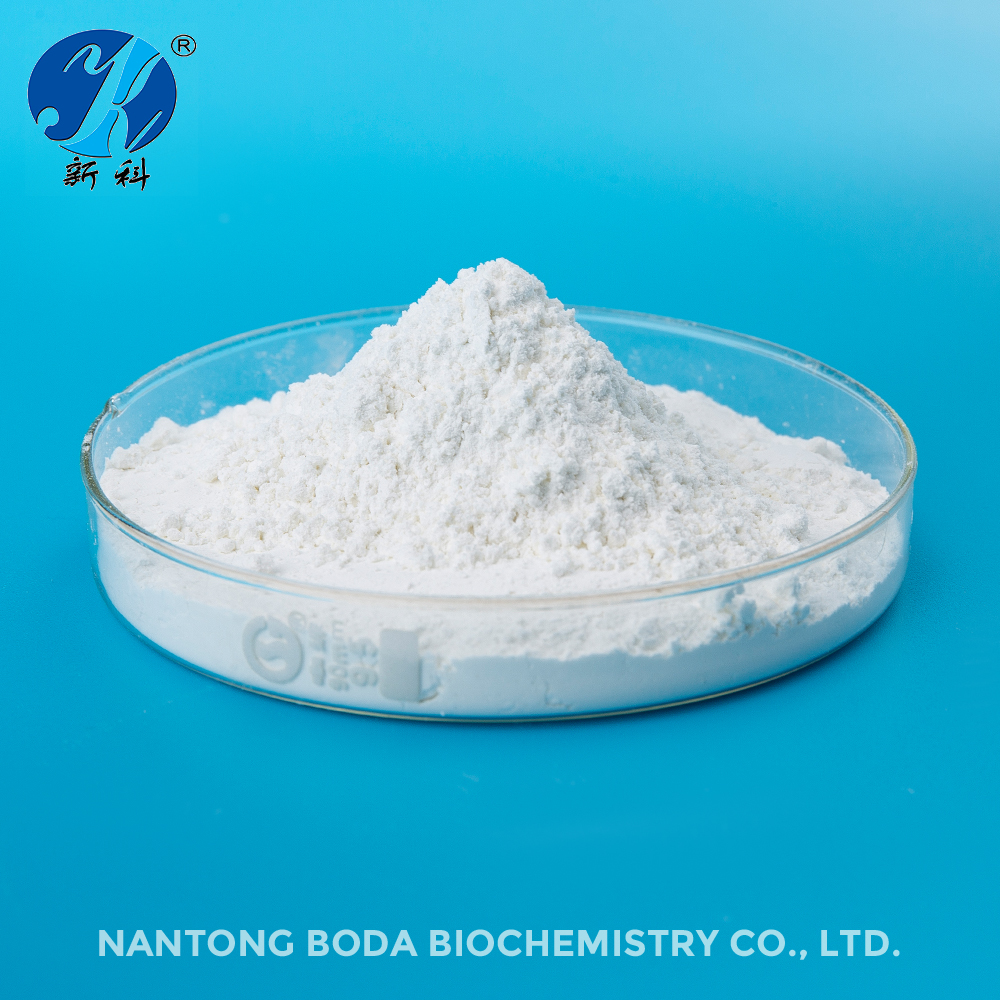
Dry Film Preservatives
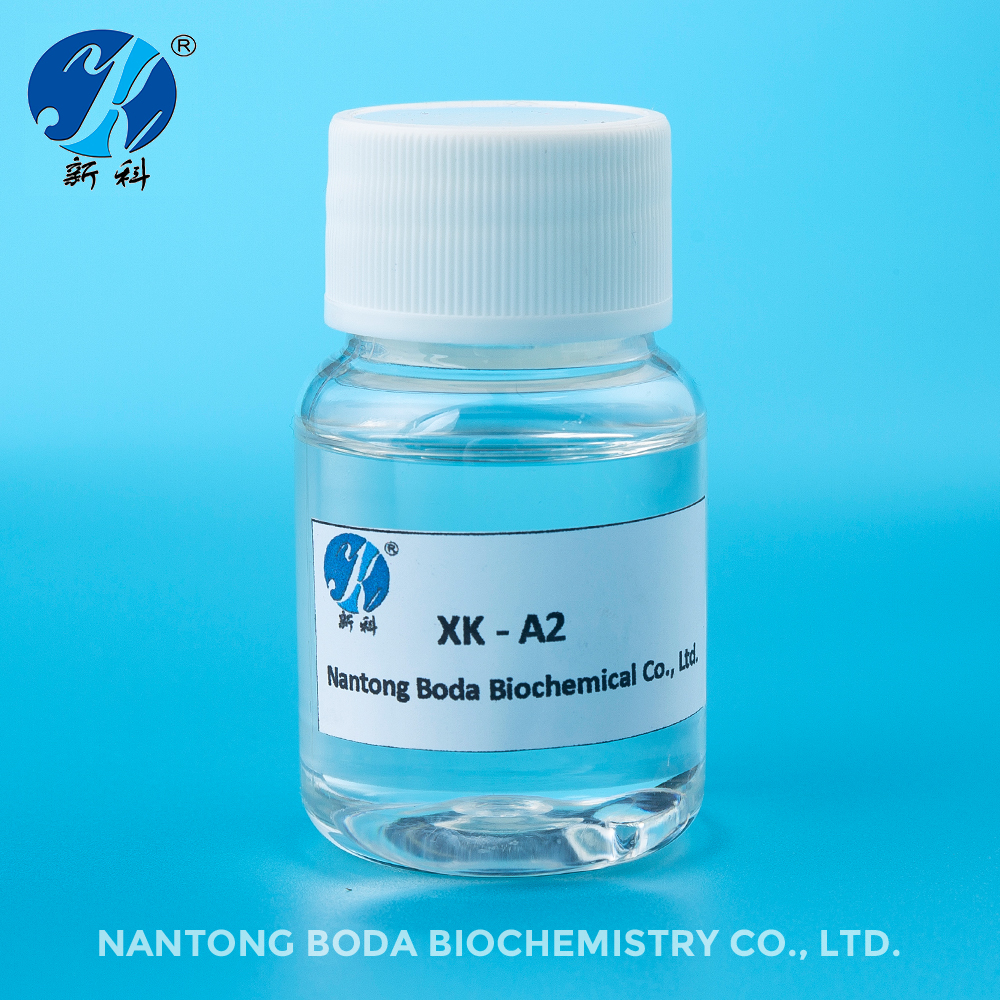
Dry Film Preservatives
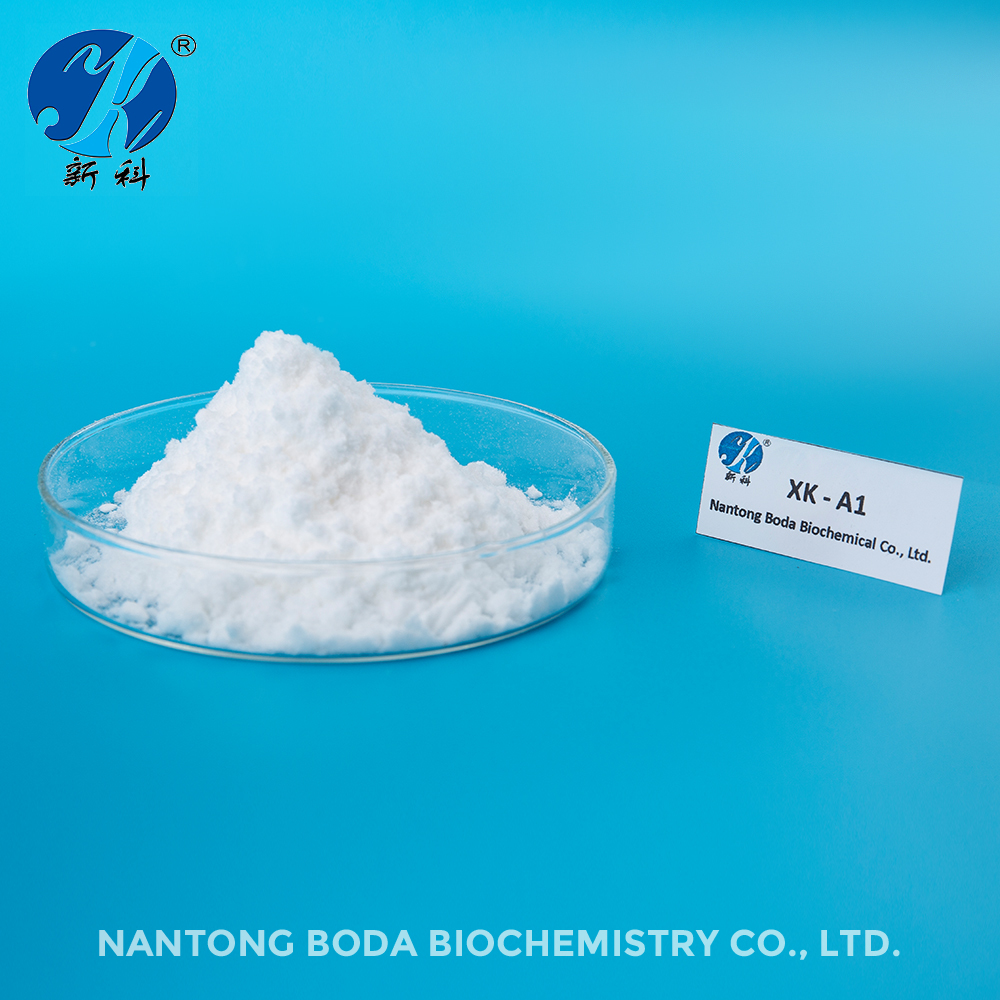
Dry Film Preservatives

 Request A Quote
