

 English
 Español


Product Consultation
Your email address will not be published. Required fields are marked *
A fence post that loosens at the ground line after four seasons, or a deck board that splits and shows fungal staining after two winters, usually fails for the same reason: the protective chemical never truly entered the wood. Surface brushing covers only the outer millimetres, whereas pressure treatment drives a wood preservative deep into the cell structure and gives a piece a service life measured in decades rather than years.
The short answer to how to pressure treat wood is that it is an industrial cycle of vacuum and pressure inside a sealed steel cylinder. This article explains the process step by step, describes the preservatives used, considers whether a DIY approach is realistic, and outlines the practical checks buyers should make when specifying treated timber.
The process centres on a horizontal retort: a large steel cylinder, often 60 to 150 feet long and up to 7 feet in diameter, that can be sealed, evacuated and pressurised. Forklifts place the lumber on a tram that carries it into the cylinder. Once the door is closed, the cycle runs through four main stages.
The two vacuum stages explain why pressure treatment outperforms brushing or soaking. A brush leaves a film a fraction of a millimetre thick. A pressure cycle forces preservative several millimetres to a centimetre or more into the wood, depending on species and permeability.
Species selection matters here as much as equipment. Southern yellow pine and other permeable softwoods are the standard choice for pressure treatment because their cell structure accepts preservative readily. Dense hardwoods and spruce, by contrast, resist uptake and often need incising, a process that punches small slits in the surface to allow the liquid deeper access.
The cylinder only delivers the chemical; the chemical does the protecting. Most pressure-treated timber is processed with waterborne preservatives, while oil-borne products are reserved for specific heavy-duty uses. Each chemistry has a different balance of cost, permanence, colour and environmental profile, so the right choice depends on the end use rather than on any single "best" preservative. The table below compares the main systems.
| Preservative | Active chemistry | Typical applications | Appearance |
|---|---|---|---|
| CCA | Copper, chromium and arsenic compounds | Utility poles, marine pilings, heavy industrial timbers | Green to brown |
| ACQ | Copper plus a quaternary ammonium compound | Decking, fencing, landscape timber, structural lumber | Green-brown |
| Copper azole | Copper plus an azole fungicide | Residential above-ground and ground-contact lumber | Light green to brown |
| Borates | Boron salts | Interior framing, joinery, sapwood protection | Colourless to white |
| Creosote | Coal-tar distillate | Railway sleepers, poles, marine structures | Black-brown oil |
Waterborne copper systems such as XKACQ wood preservative are the default in many treatment plants: they leave the wood clean enough to handle, suit standard fasteners when correctly specified, and provide stable long-term protection. CCA remains common in categories where its long service record matters, such as utility infrastructure; a formulation like XKCCA wood preservative is still applied in dedicated plants today.
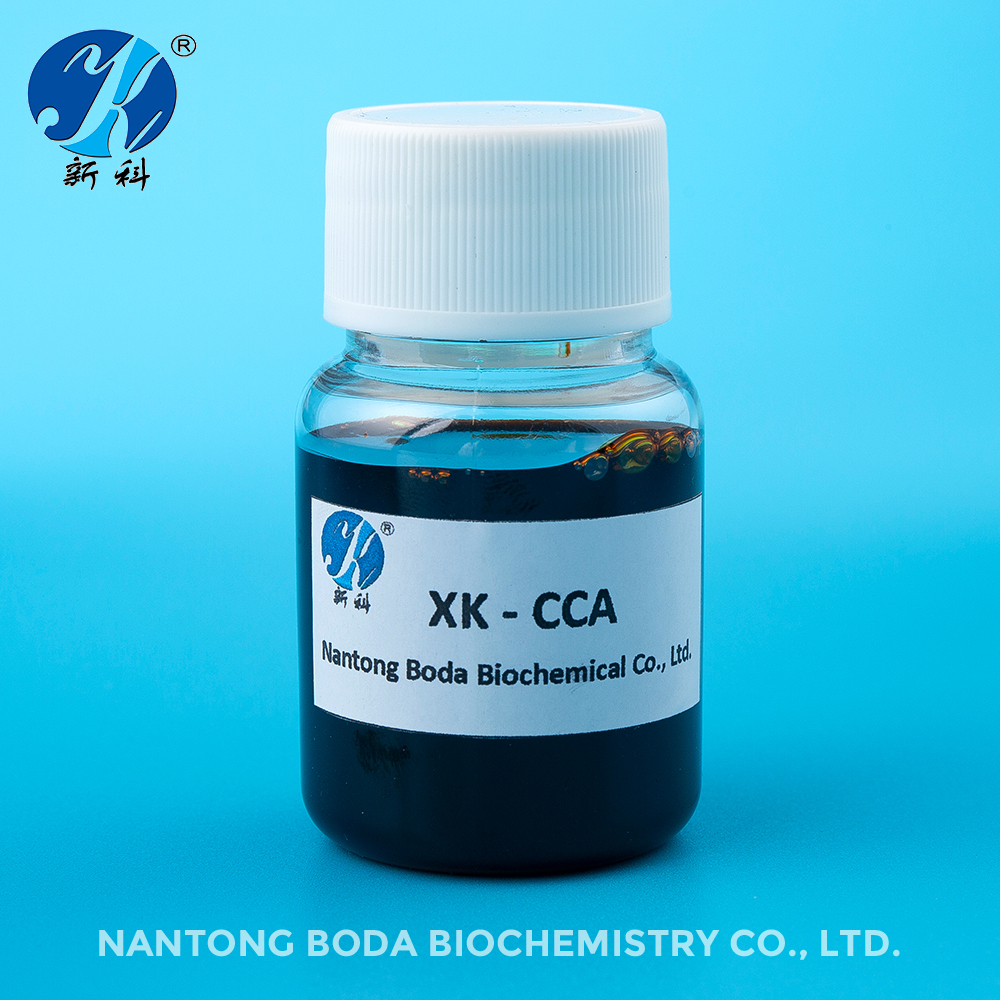 Wholesale Chromated Copper Arsenate XK-CCA Wood Preservative Manufacturers, OEMNantong Boda Biochemistry Co.,Ltd. is China Wholesale Chromated Copper Arsenate XK-CCA Wood Preservative Manufacturers and OEM/ODM Suppl...View Product →
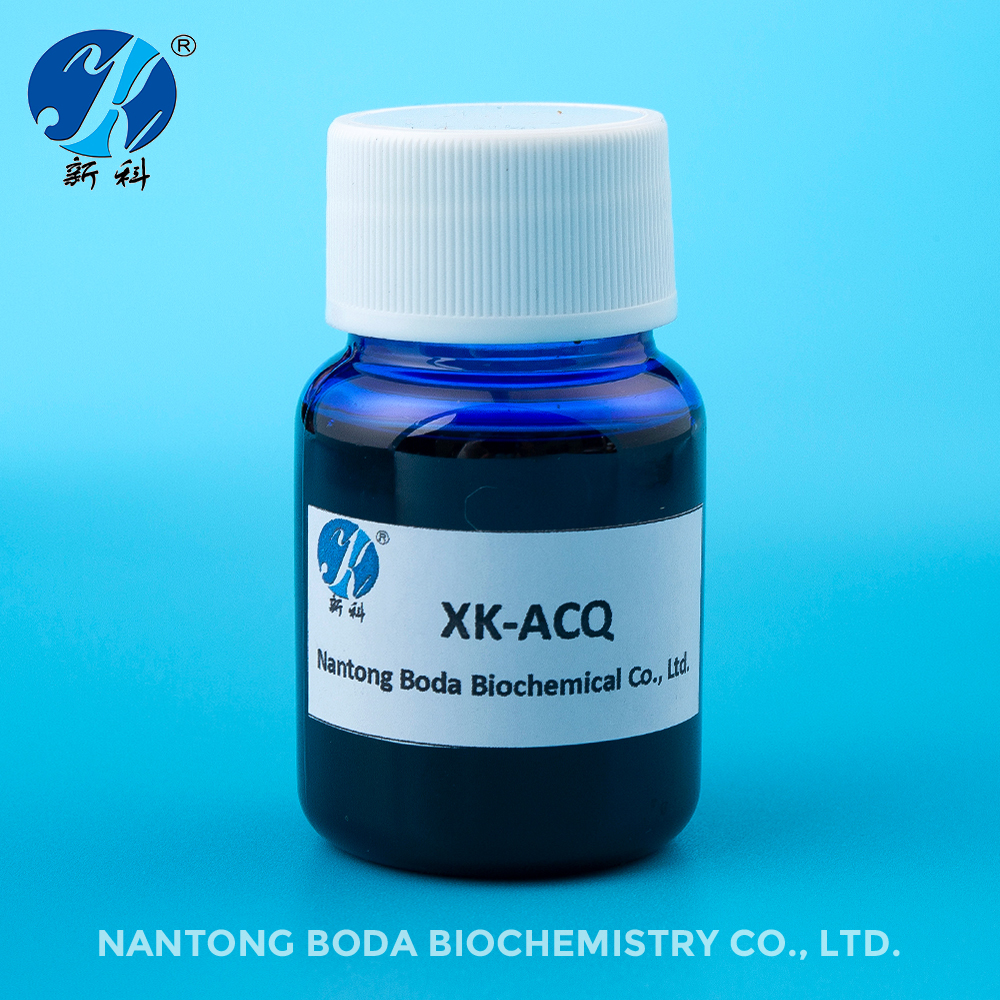 Wholesale Wood Preservatives - Ammonical Copper Quat (ACQ) Manufacturers, OEM/ONantong Boda Biochemistry Co.,Ltd. is China Wholesale Wood Preservatives - Ammonical Copper Quat (ACQ) Manufacturers and OEM/ODM Supplie...View Product →
Colour can matter as much as chemistry in visible projects. XKM8 wood preservative, for example, is designed so that treated wood keeps its original colour, which suits architectural timber and visible joinery.
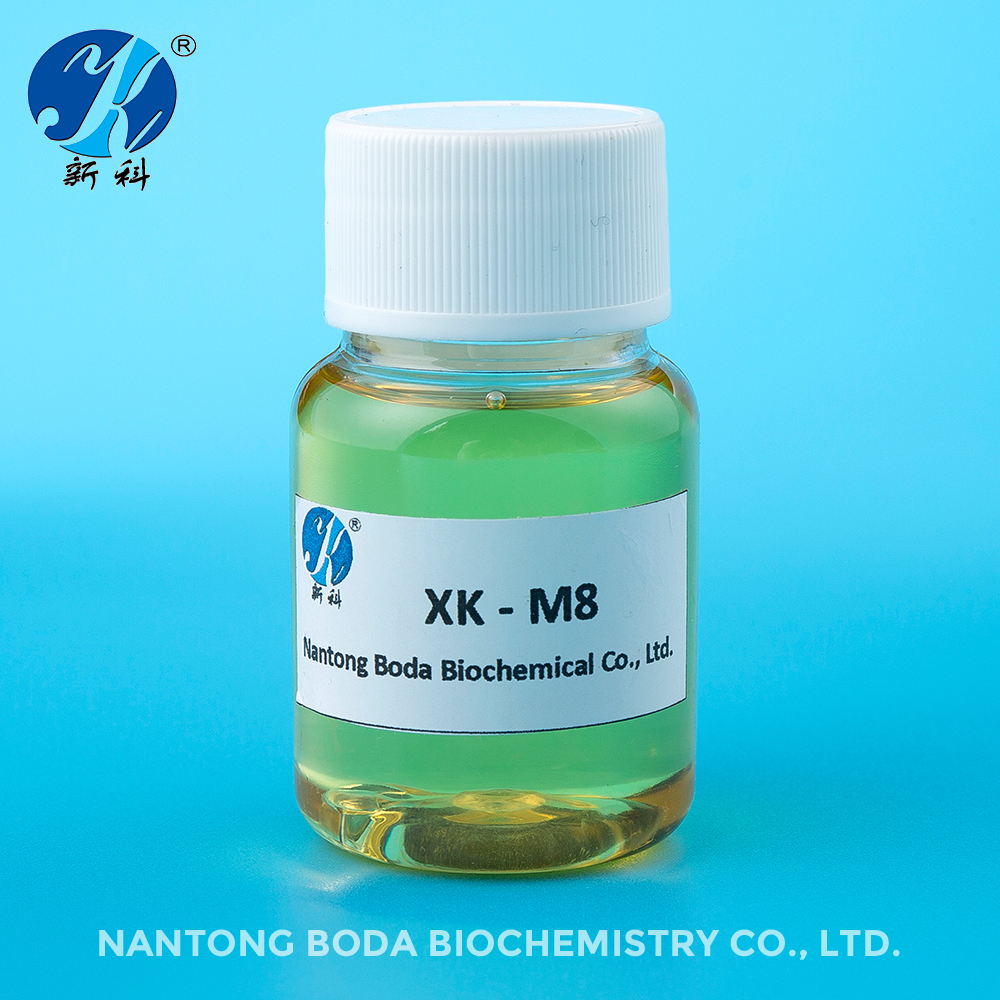 Wholesale XK-M8 wood preservative - processed wood will retain original color MNantong Boda Biochemistry Co.,Ltd. is China Wholesale XK-M8 wood preservative - processed wood will retain original color Manufacturers ...View Product →
Not in the full industrial sense. A genuine pressure treatment cycle needs a sealable retort, a vacuum pump strong enough to pull air out of the wood, and a pressure delivery system sized for the cylinder. These are not workshop tools, and the small pressure pots used for hobby wood stabilisation lack the volume and control to treat construction timber.
What is realistic at home is surface application. Brushing, dipping and soaking are all established ways to apply a preservative, and the common ways to apply wood preservatives give a good idea of the options. The trade-off is penetration: a dip or brush treatment reaches only 1 to 3 millimetres into most softwoods, which is acceptable for above-ground decorative use but not for ground contact.
A home vacuum chamber can improve penetration a little by drawing air out of small pieces before flooding them with preservative, but it remains impractical for large structural members. Small projects such as a planter box or a garden trellis can be handled this way if the wood stays above ground. The moment a post enters the soil, however, the demands change completely. For anything that touches the ground, buying lumber already pressure-treated by a licensed processor is cheaper, safer and more reliable than a home-made attempt.
When specifying pressure-treated wood, the number that matters most is retention: the amount of preservative left in the wood after treatment, usually expressed as kilograms of active ingredient per cubic metre of wood.
Retention requirements follow use-category systems such as AWPA UC1 to UC6. The practical rule is that ground-contact wood needs roughly double the retention of above-ground wood:
When ordering treated timber or a treatment concentrate, request a test report stating the retention value, the standard it was measured against, and the depth of penetration achieved. These details matter for two reasons: they tell you whether the product suits the service conditions, and they protect you if a batch fails in the field.
For industrial buyers, the same logic applies when purchasing treatment chemicals rather than finished lumber. Confirm the active ingredient concentration, the recommended dilution and the retention achievable with your existing vacuum-pressure equipment. A concentrate with poor solubility or an unstable formulation will produce inconsistent results even inside a cylinder that works perfectly.
Pressure-treated wood contains preservative designed to stay in the timber, not to enter the body. Sawing and sanding treated lumber produces dust that should not be inhaled, and treated wood should never be burned in open fires or stoves because the ash concentrates chemical compounds.
Wear a dust mask and gloves when machining treated timber, wash work clothes separately, and choose galvanised or stainless steel fasteners where the preservative chemistry could corrode ordinary steel. Dispose of treated offcuts as construction waste rather than composting or burning them.
Formaldehyde Slow-Release Preservatives | Antiseptic Agents Manufacturer Guide
4 Types of Wood Preservatives Explained: Water-Borne, Oil-Borne, Borate, Copper
Your email address will not be published. Required fields are marked *
Industrial Deodorant
Penetrating Agent
Penetrating Agent
Disinfectant Liquid
Disinfectant Liquid
Antifungal Agent for Chemical Fiber Oil

Antifungal Agent for Chemical Fiber Oil
Antifungal Agent for Chemical Fiber Oil
Antifungal Agent for Chemical Fiber Oil
Dry Film Preservatives
Dry Film Preservatives
Dry Film Preservatives

 Request A Quote
