

 English
 Español


Product Consultation
Your email address will not be published. Required fields are marked *
A 10,000-liter batch of latex paint develops a putrid odor three weeks after production. A metalworking fluid that should last six months turns rancid in six, and machinists begin reporting skin irritation. A container of adhesive thickens, separates, and has to be scrapped. The common cause in all three cases is uncontrolled microbial growth in a water-containing product. Industrial preservatives are the chemical barrier that prevents this sequence of events, and selecting the right one is a formulation decision, not a purchasing afterthought.
Industrial preservatives are antimicrobial active ingredients added to water-based or water-exposed industrial products to inhibit the growth of bacteria, fungi, and yeast. They are used in paints, coatings, adhesives, metalworking fluids, water treatment systems, leather, textiles, and wood products. The conclusion can be stated directly: if a product contains water, it needs a preservation strategy. Microorganisms require only three things — moisture, nutrients, and a tolerable temperature — and most industrial formulations supply all three. The only variable the formulator fully controls is the preservative system.
Industrial preservatives differ from food preservatives in several practical ways. Food systems are typically near-neutral pH, low in reactive chemicals, and governed by dietary safety limits. Industrial formulations, by contrast, can be strongly alkaline, rich in nucleophiles such as amines and thiosulfates, subjected to high shear and temperature, and stored for months in non-sterile containers. Effective industrial preservation therefore demands an active substance that works across the formulation's pH range and survives contact with other raw materials, while complying with environmental and occupational exposure limits.
Although the market contains dozens of industrial preservative products, most are built on a small number of active chemistries. Knowing their strengths and limits simplifies selection.
The isothiazolinone family is the most widely used class of in-can preservatives for water-based products. Three variants dominate industrial use:
CMIT/MIT is a blend of 5-chloro-2-methyl-4-isothiazolin-3-one and 2-methyl-4-isothiazolin-3-one, sold typically as a 14% or 1.5% solution in water or glycol. It combines broad-spectrum activity, fast kill, and low cost per dose. It is most effective between pH 3 and 8, which covers most latex paints, water-based adhesives, pigment dispersions, and household products. Typical use levels range from 0.05% to 0.2% as supplied. Its main weakness is inactivation by nucleophilic raw materials, especially thiosulfates, mercaptans, and strong reducing agents.
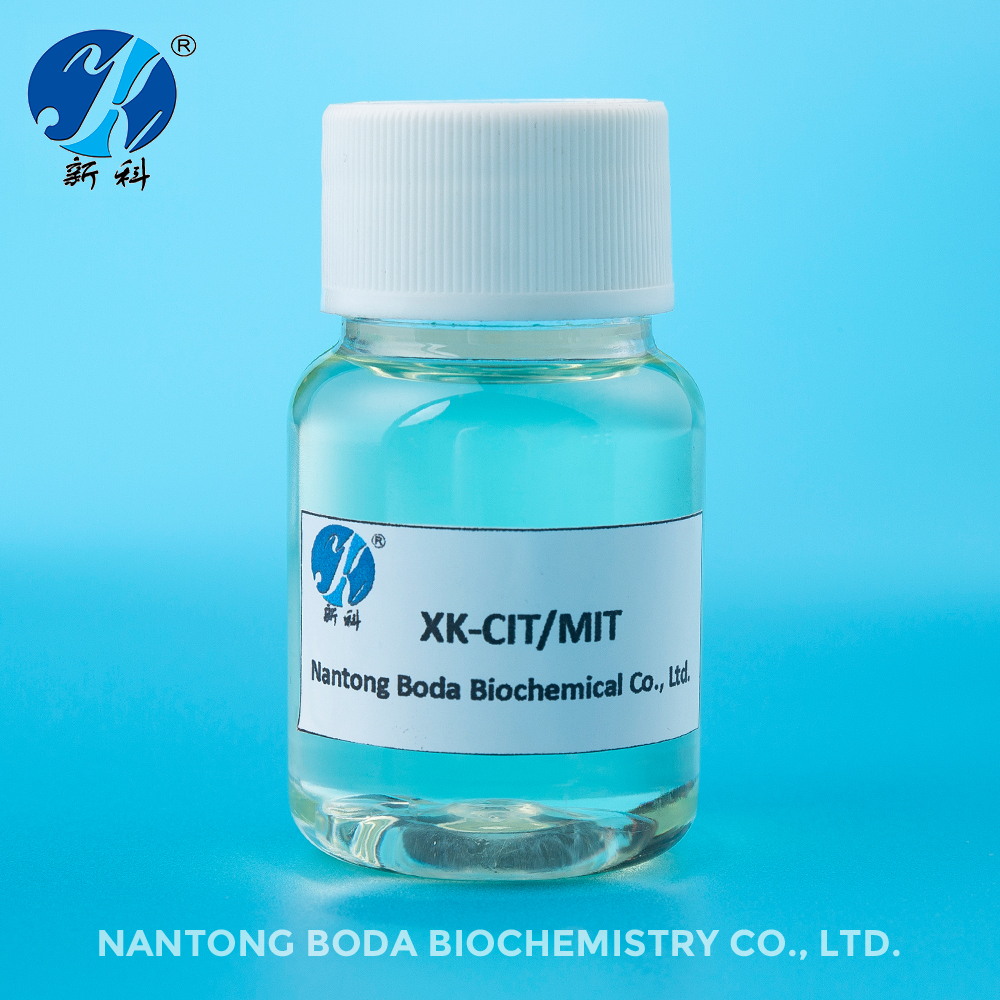 CMIT/MIT Isothiazolinone Blend for Water-Based ProductsThis industrial preservative combines broad-spectrum activity and fast kill at low cost, effective in pH 3–8 systems. Ideal for latex paints, adhesives, and household products needing reliable in-can protection.View Product →
BIT (benzisothiazolinone) is the workhorse for formulations with higher pH. It remains stable in many systems up to pH 12 or above, which makes it a fit for acrylic emulsions, pigment slurries, mineral slurries, and alkaline cleaners. BIT acts more slowly against yeast and some fungi than CMIT/MIT, so it is frequently blended with other actives. Supplied forms include the pure active, a 20% solution, and blended isothiazolinone formulations.
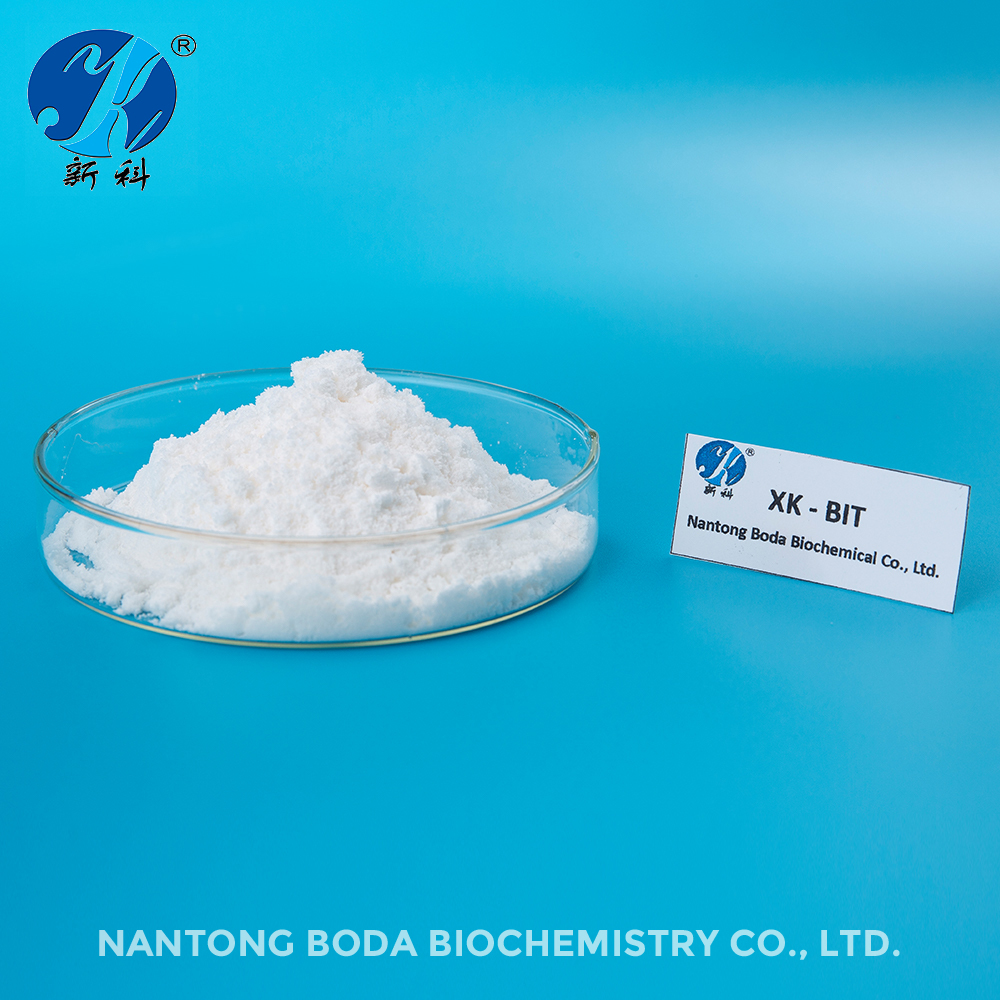 Benzisothiazolinone BIT Preservative for Alkaline FormulationsStable up to pH 12 or higher, BIT suits acrylic emulsions, pigment slurries, and alkaline cleaners. Though slower against fungi, it works well in blends for higher-pH industrial systems.View Product →
OIT (octylisothiazolinone) is a potent fungicide with a narrower bacterial spectrum. At low doses it controls mold and mildew on surfaces, which is why it appears in dry-film preservatives for coatings, leather antimold agents, and wood protection products.
Beyond isothiazolinones, several other active substances fill specific niches. Bronopol (2-bromo-2-nitropropane-1,3-diol) is highly effective against bacteria, including Pseudomonas species, and is often paired with isothiazolinones. DMDMH and other formaldehyde-releasing compounds are low-cost and effective in rinse-off cleaning products, but their use is restricted in some consumer and industrial applications because they release formaldehyde. Quaternary ammonium compounds and polymeric biguanides such as PHMB and PHMG are used where surface-active antimicrobial action and material compatibility matter, such as wet-wipe fluids, disinfectants, and selected water treatment applications.
| Property | CMIT/MIT | BIT | OIT | Bronopol |
|---|---|---|---|---|
| Main activity | Broad-spectrum bacteria and fungi | Bacteria; good pH stability | Fungi and mold | Bacteria, especially Pseudomonas |
| Effective pH range | 3–8 | 4–12 | 4–10 | 3–8 |
| Typical use level (as supplied) | 0.05–0.2% | 0.1–0.3% | 0.02–0.1% | 0.02–0.1% |
| Typical applications | Paints, adhesives, emulsions | Alkaline paints, slurries, cleaners | Dry-film protection, leather, wood | Metalworking fluids, cosmetics |
Choosing an industrial preservative is an exercise in eliminating failures before they happen. The right choice keeps the product stable through manufacturing, storage, and end use; the wrong one can mean recall, customer complaints, and liability. The following factors matter most:
How preservative selection varies across industries is not a theoretical question. A paint producer, a metalworking fluid manufacturer, and a water treatment operator face different organisms, different pH conditions, and different regulatory obligations, so the optimal active substance and use level differ accordingly. For a general-purpose water-based formulation, a balanced isothiazolinone blend such as XK01 covers most bacterial and fungal challenges at a practical cost.
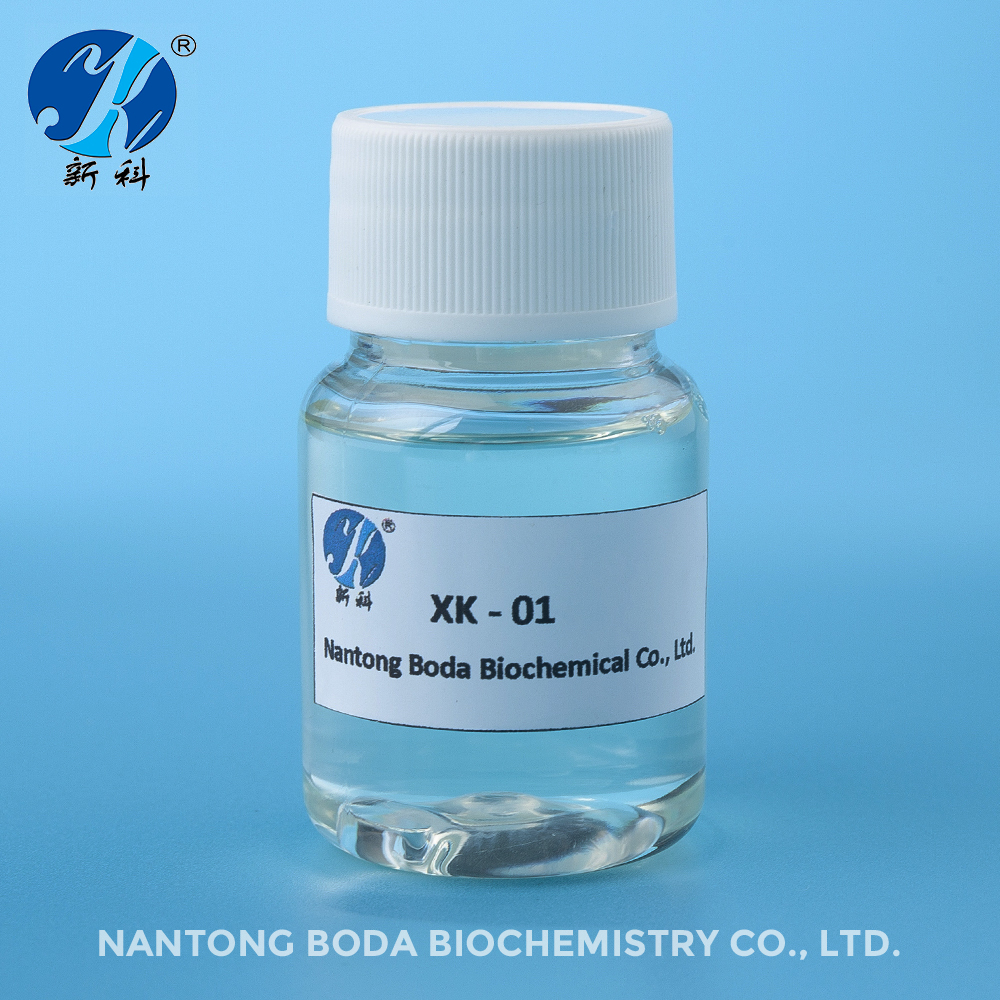 XK-01 Balanced Isothiazolinone Preservative for General UseA practical choice for water-based paints, plasters, and adhesives, this blend covers most bacterial and fungal challenges. Use as a starting point for in-can preservation at 0.1–0.3% levels.View Product →
In-can preservation is the first line of defense for water-based paints, plasters, adhesives, and pigment pastes. Without it, bacterial growth causes viscosity loss, odor, gas formation, and pH drift within weeks. A CMIT/MIT-based product at 0.1–0.2% or BIT at 0.15–0.3% is the standard starting point. Where mold grows on the dried film, an OIT-based dry-film preservative is applied at a lower dose alongside the in-can active.
Metalworking fluids are diluted with water and recirculated for weeks, making them ideal breeding grounds for bacteria and fungi. Spoilage appears as rancid odor, emulsion breakdown, filter blockage, and increased skin irritation for operators. Effective preservation requires a fast-acting bacterial active, usually combined with a fungicide, plus routine monitoring of the sump. The dose must be maintained over top-up cycles, not just at the initial charge.
Cooling towers, closed loops, and process water systems face continuous microbial contamination. Non-oxidizing biocides, such as isothiazolinones and quaternary ammonium compounds, deliver broad-spectrum control when used on a scheduled dose-and-bleed program. The right product depends on system volume, organic load, pH, and whether the system is recirculating or once-through.
Wood in construction, furniture, and outdoor applications is attacked by decay fungi, mold, and insects. Preservatives such as ACQ and CCA formulations protect the timber itself, while mold-resistant treatments are used where appearance matters. Unlike in-can preservatives, wood preservatives must protect the solid material over years of outdoor exposure, which demands higher active content and long-term stability.
Once the chemistry is right, sourcing becomes a quality question. The cheapest product per liter is rarely the cheapest per unit of effective protection. Use the following criteria to evaluate a supplier:
A practical way to evaluate a candidate product: request a representative sample, run a challenge test with your own contaminated raw materials, and measure pH and viscosity over 28 days. The product that holds its performance through the full test is the product to buy.
Industrial preservatives are a small fraction of formulation cost but a decisive factor in shelf life. Products fail not because preservation was skipped, but because the wrong active, the wrong dose, or an unqualified source was used. Start with the formulation's chemistry, choose an active that fits its pH and raw materials, and verify the choice with a challenge test. Working directly with a manufacturer of preservatives gives the buyer access to formulation experience, consistent supply, and the documentation needed to defend product quality.
Naphthenate: Chemistry, Wood Preservation Uses, and Buying Considerations
OEM Wood Preservatives: Sourcing Reproducible Custom Wood Treatment Formulations
Your email address will not be published. Required fields are marked *
Industrial Deodorant
Penetrating Agent
Penetrating Agent
Disinfectant Liquid
Disinfectant Liquid
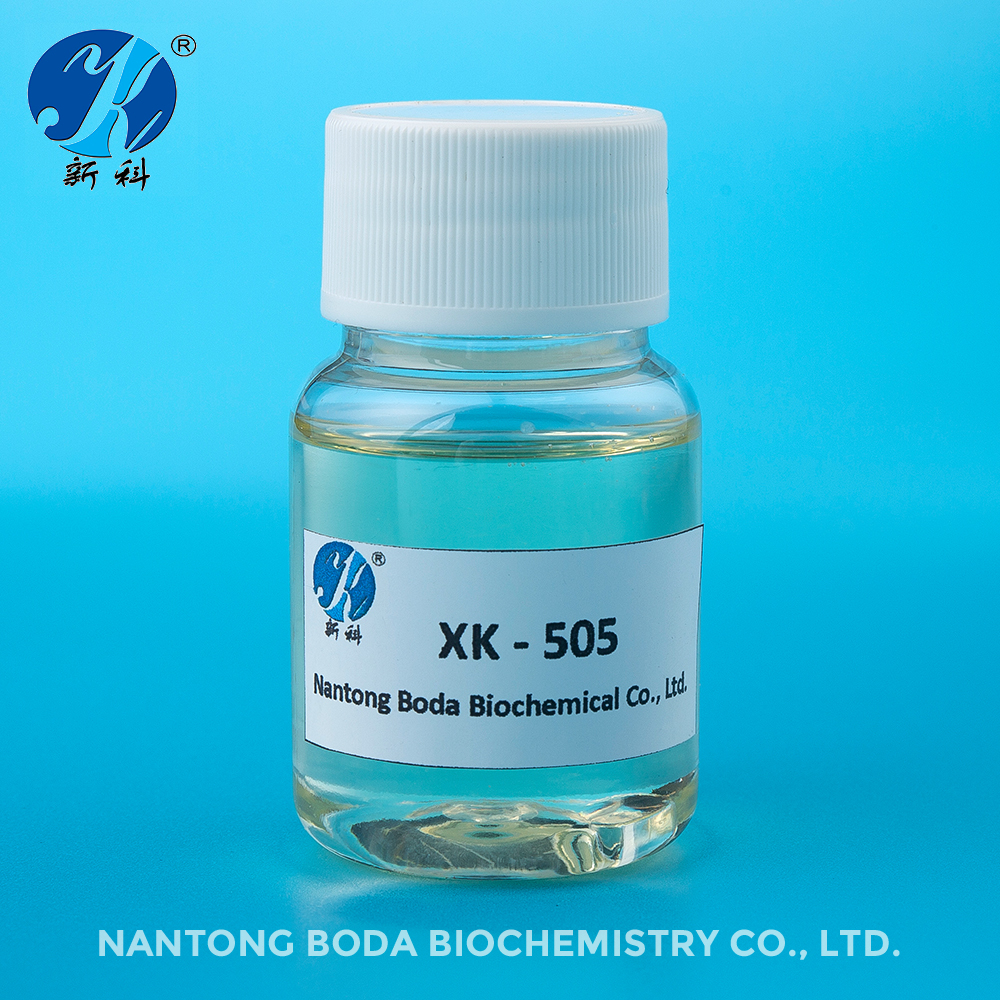
Antifungal Agent for Chemical Fiber Oil

Antifungal Agent for Chemical Fiber Oil
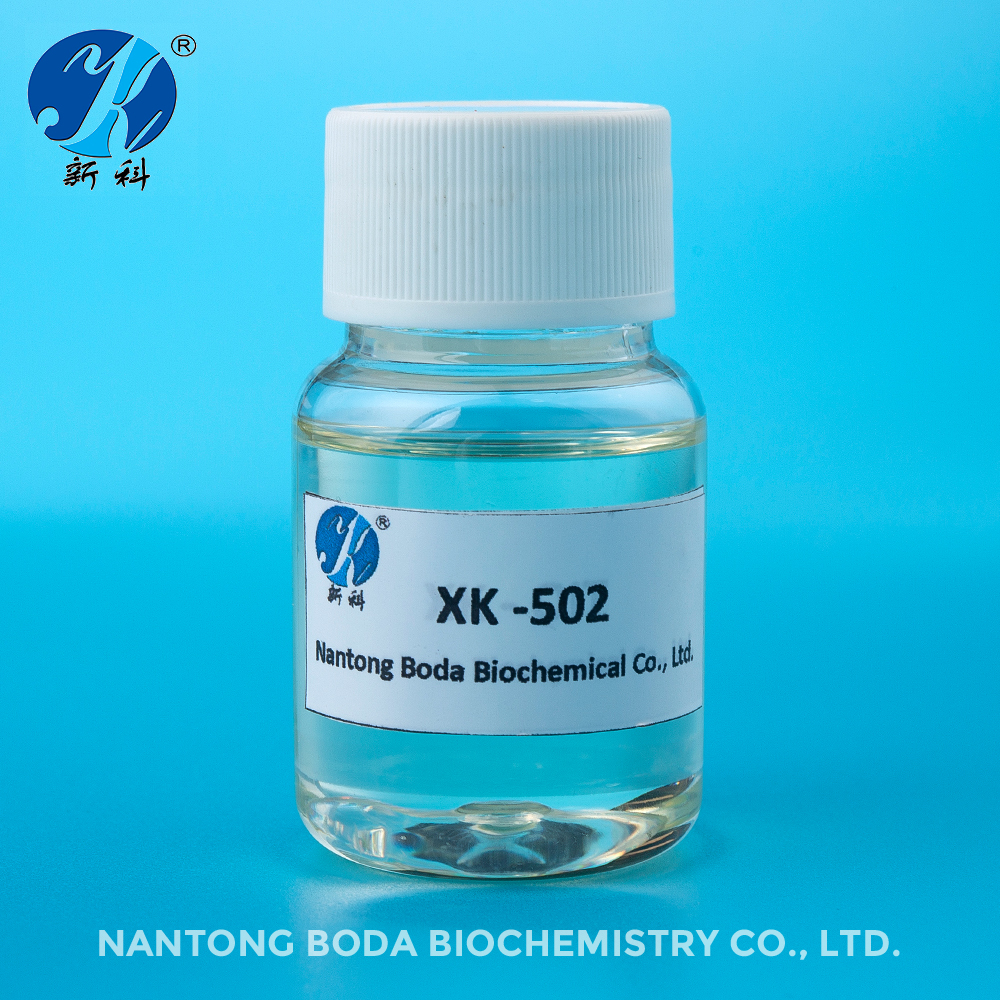
Antifungal Agent for Chemical Fiber Oil
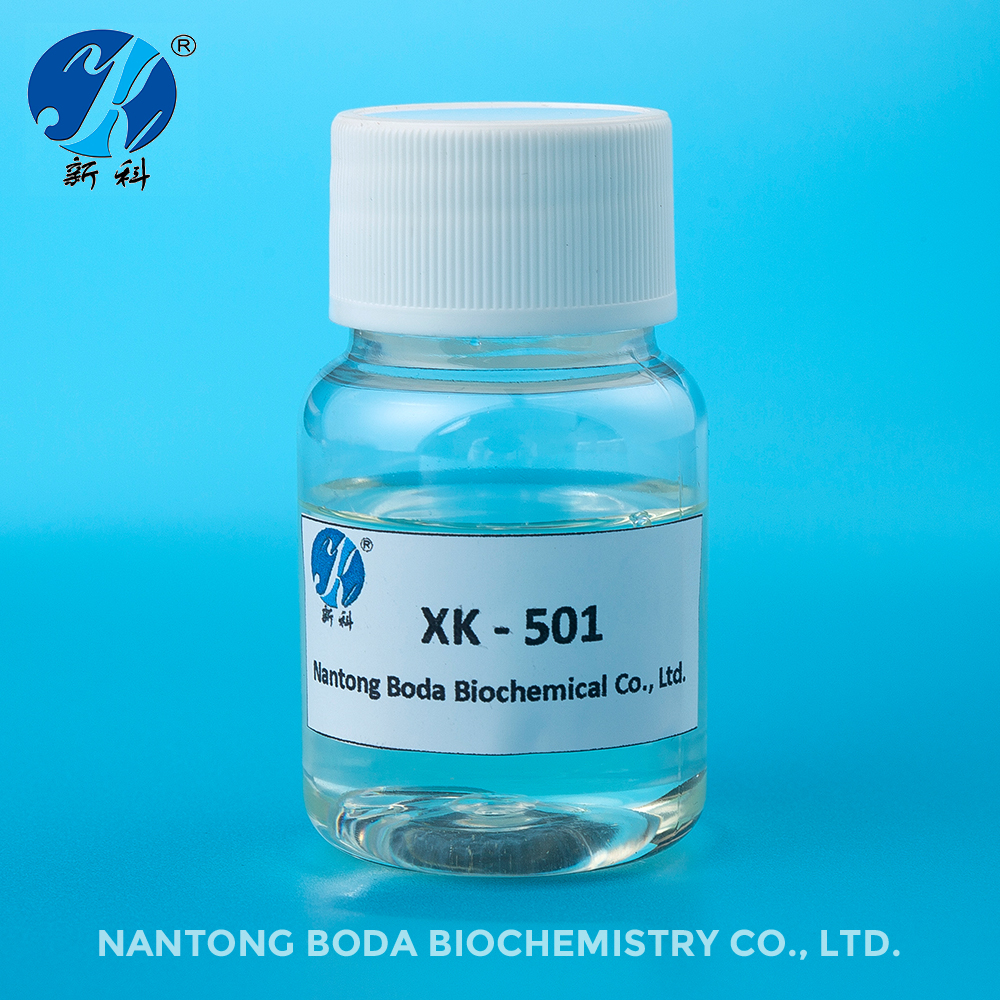
Antifungal Agent for Chemical Fiber Oil
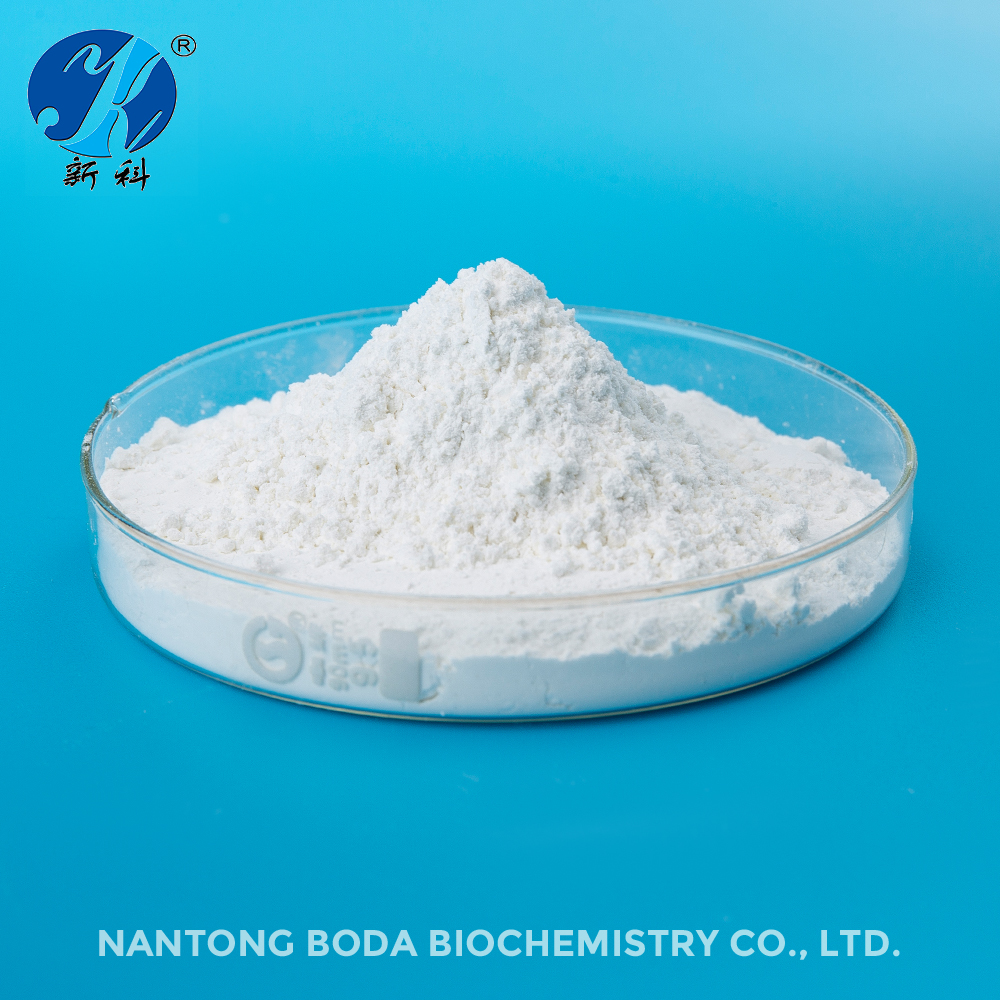
Dry Film Preservatives
Dry Film Preservatives
Dry Film Preservatives

 Request A Quote
