

 English
 Español


Product Consultation
Your email address will not be published. Required fields are marked *
You’re clearing out an old cedar fence? No, wait—these boards have a faint green tint and a chemical smell. You’re about to toss one into the fire pit when a neighbor yells, “Don’t burn that!” That neighbor is right. The short answer to “is it ok to burn treated wood?” is a definitive no. Burning treated wood releases toxic compounds that linger in smoke and ash, contaminating the air, soil, and living things that come into contact with them. Whether your wood is from a deck, a play set, or an old utility pole, it belongs on the disposal list, not in your fire.
This article walks through what makes treated wood different, what happens chemically when it burns, the health and environmental risks, how to recognize treated lumber, and the safe ways to get rid of it.
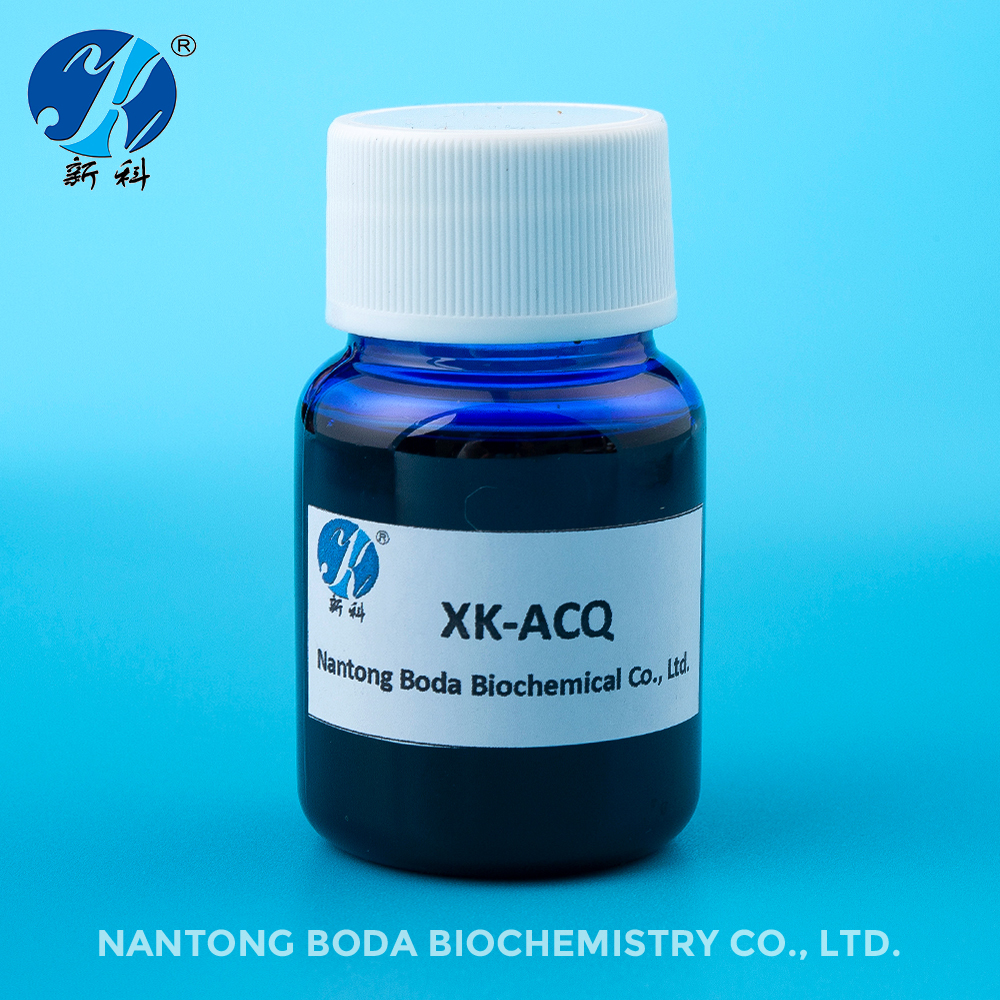 ACQ Wood Preservative for Structural and Outdoor LumberThis alkaline copper quaternary formulation protects wood against moisture, rot, insects, and fungal decay, making it a suitable choice for treated lumber applications mentioned in the article.View Product →
Pressure-treated wood is lumber that has been placed in a large sealed cylinder, where a vacuum and high pressure force preservative chemicals deep into the wood fibers. This process protects wood against moisture, rot, insect damage, and fungal decay, giving structural and outdoor materials a much longer service life. Fence posts, decking, retaining walls, playground structures, and marine timber are all common uses for treated lumber.
Older residential preservative systems relied heavily on chromated copper arsenate (CCA), a mixture containing arsenic, chromium, and copper. Concern over arsenic exposure led manufacturers to phase out CCA for most residential purposes in the 2000s. Modern treatments use alternatives such as alkaline copper quaternary (ACQ), copper azole, and micronized copper, while some applications use organic biocides like isothiazolinones or quaternary ammonium compounds. At our facility, for example, we produce ACQ-based wood preservatives and other wood protection products under the XK brand. The key point is that no matter which formulation is used, the preservative is intentionally fixed inside the wood to resist rain, fungi, and pests. That same stability is exactly why burning becomes dangerous.
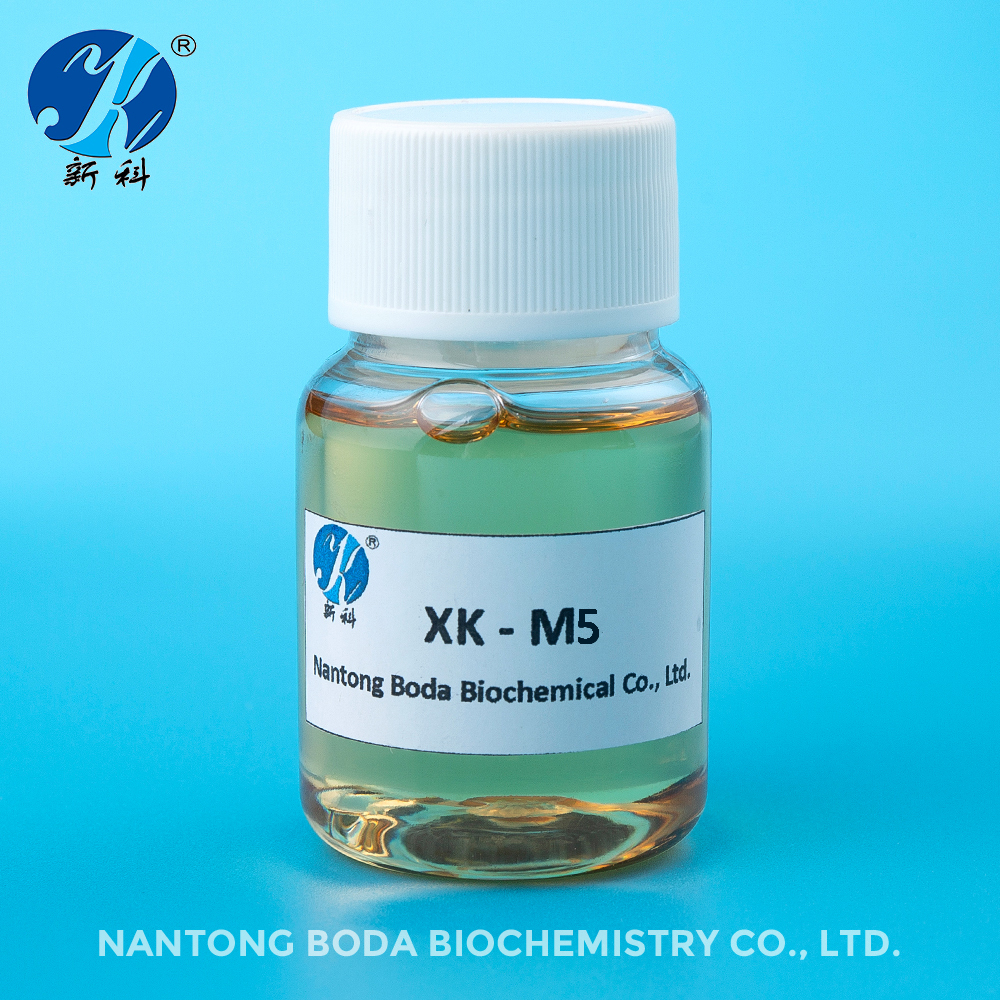 Xinke-M5 Wood Preservative and Mildew PreventerThis product treats fresh logs, bamboo, rattan, and wooden packaging to resist mold and mildew, offering a practical way to extend the life of non-structural wood materials.View Product →
When untreated wood burns, it mostly breaks down into carbon dioxide, water vapor, and ash. When treated wood burns, the heat breaks down the preservative chemicals into new compounds—it does not destroy them. Older CCA-treated wood releases arsenic trioxide and chromium compounds into the smoke and into fine ash particles. These substances are known carcinogens. A tablespoon of ash from CCA-treated wood has been found to contain enough arsenic to be lethal to humans if ingested, which is why woodworking communities tell a similar, sobering story: the ash is not something you can just scatter in the garden.
Modern copper-based preservatives like ACQ are less toxic than CCA, but they still contain concentrated copper. Burning ACQ-treated wood produces copper oxide particles in ash, and copper is highly toxic to fish and other aquatic organisms. Organic biocides, including MBS (methylene bis(thiocyanate)) or various isothiazolinone blends, release a cocktail of chlorinated and nitrogen-containing organics during combustion. The exact compounds depend on the preservative, the moisture content, and the burning temperature. But in every case, the fire creates a set of unwelcome substances that you should not breathe or eat.
| Treatment type | Representative active ingredients | Primary combustion release |
|---|---|---|
| CCA (older residential) | Arsenic, chromium, copper | Arsenic trioxide, chromium compounds in smoke and ash |
| ACQ / copper azole (modern residential) | Copper, quaternary ammonium or azole compounds | Copper oxides, volatile organic compounds |
| Organic biocide (industrial or specialty) | Isothiazolinones, methylene bis(thiocyanate), etc. | Chlorinated organics, nitrogenous by-products |
Inhaling smoke from treated wood is not like inhaling campfire smoke. A short exposure can cause acute irritation to the eyes, nose, and throat, headache, nausea, and fatigue. With more prolonged or repeated exposure, arsenic and chromium have been associated with lung and skin cancers, as well as damage to the kidneys and liver. Children and small pets are at higher risk because they breathe faster, are closer to the ground, and often put hands or toys in their mouths. Even if you position your fire pit “away from everyone,” wind can carry the toxic smoke across a wide area, making it your community’s problem too.
The risk does not end when the flame goes out. Ash from treated wood looks ordinary but can contain highly concentrated toxins. If you have burned treated wood in the past, the leftover ash should be treated as hazardous waste. Do not sweep it into the yard, use it in a compost bin, or place it with regular trash. Rain will slowly leach the metals and organics into the soil, eventually reaching groundwater or stormwater drains. This is how a single backyard fire can cause contamination that lingers for years.
Authorities have been clear on this question. The U.S. Environmental Protection Agency states that pressure-treated wood should never be burned in open fires, wood stoves, or fireplaces. Many states have codified this into law, listing treated wood as prohibited material for burning. Local air quality agencies often classify burning treated wood as an air-pollution violation. While enforcement may vary, the legal and environmental consequences are real enough to avoid. Beyond burning, you also need to know how to dispose of the resulting ash if you already did burn treated wood: take it to a household hazardous waste facility rather than dumping it with normal trash.
For professionals, an even stricter standard applies. Contractors and demolition crews must separate treated wood from other debris on job sites. Landfills have specific regulations for construction & demolition waste, and accepted treated wood often goes to a lined landfill cell to prevent groundwater contamination. If you haul your own wood, call your local landfill or county waste office for instructions; they can tell you whether treated lumber is accepted, and if so, where and under what conditions.
Not all treated wood looks the same. Fresh southern yellow pine treated with CCA often had a greenish tint. ACQ can also be green or olive-colored. Some treated woods are brown or tan, and weathered boards from old fences may be entirely grey, making identification tricky. Here are the most reliable clues:
If you cannot positively identify the board, the safest assumption is that it is treated. Remember, grey, weathered wood can easily lose its visual clue, so a pile of old fence slats from an unknown source should be kept out of the fire. For a deeper look into preservative mechanisms, we have written about how wood preservatives and fungicides protect against insects and decay, which explains why these chemicals are so persistent.
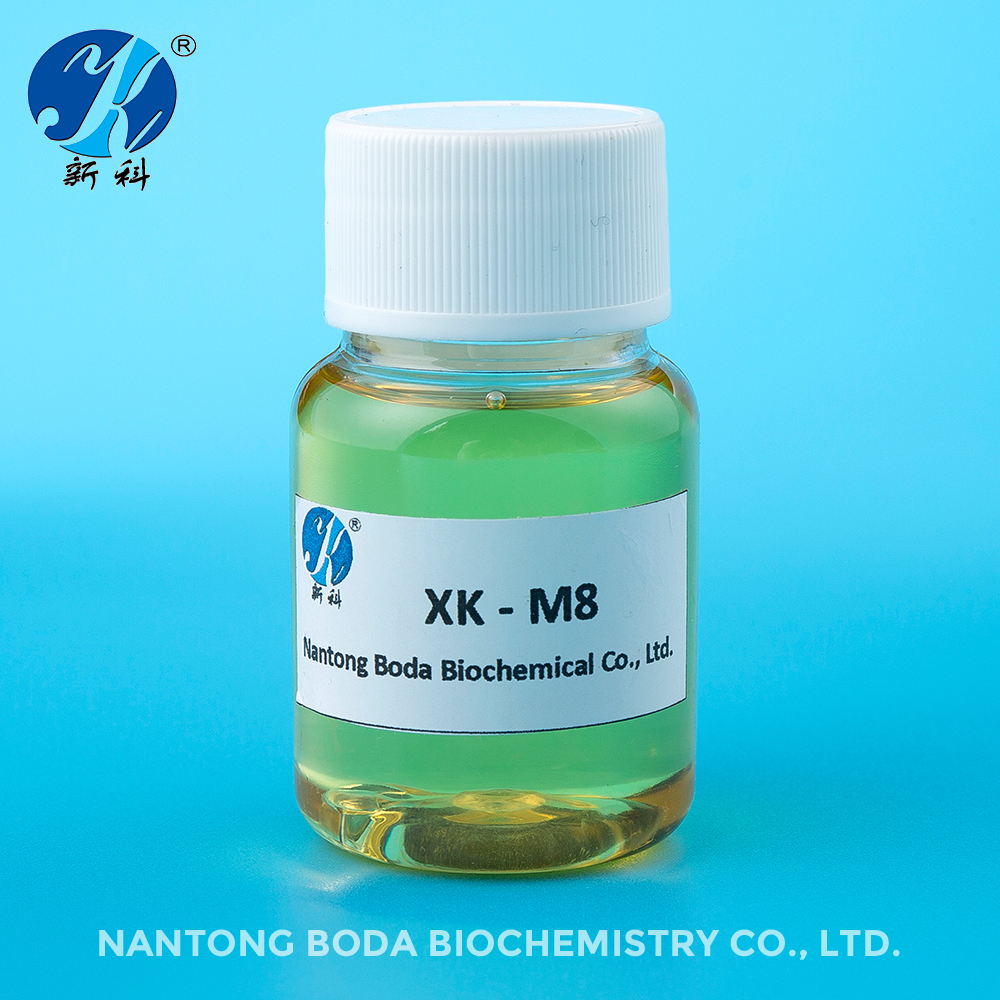 XK-M8 Wood Preservative That Retains Original ColorDesigned to safeguard wood while keeping its natural appearance, this preservative suits situations where visual clarity matters, complementing the article's guidance on responsible reuse of treated lumber.View Product →
The first option is to reuse the lumber in a way that keeps it stable and out of your living space. Dry, rodent-free boards can become a garden path border, a storage shelf in a shed, or a compost bin frame. But never use CCA-treated wood for vegetable beds or anything that comes into contact with soil where you grow edible plants. For all treated wood, avoid cutting it indoors and always wear a dust mask and gloves if you do work with it.
If the wood is too decayed or damaged for reuse, find a local construction and demolition recycling center or a landfill with a C&D section. These facilities accept treated lumber and keep it separate from burnable materials. Some communities have household hazardous waste events where you can take small quantities of treated offcuts. Ask your local waste authority for a list of acceptable drop-off methods. Never bury treated wood on your property. Chemicals from the preservative can leach into groundwater for decades, and that contamination is your responsibility in the same way the ash is.
When you buy new wood for an outdoor project, choose a treatment that matches your needs. For example, our XKM8 wood preservative is formulated so that treated wood retains its original color, and it provides protection against fungal decay and insect attack. But regardless of which preservative is used, disposing of the wood later still follows the same safety rules: no burning, no burial, no compost.
No, it is not ok to burn treated wood. The toxic smoke, the hazardous ash, and the legal liability are all good reasons to find another way. Whether you have a few old deck boards or a truckload of scrap from a construction site, set them aside for proper disposal. It takes an extra phone call and a short drive to a transfer station, but it safeguards your health, your family, and the soil and water around you. And the next time someone suggests tossing a “weathered board” into a campfire, you now know the safe answer.
Cut and Treat Wood Preservative: Keep Cut Ends of Pressure-Treated Lumber Safe
Naphthenate: Chemistry, Wood Preservation Uses, and Buying Considerations
Your email address will not be published. Required fields are marked *
Industrial Deodorant
Penetrating Agent
Penetrating Agent
Disinfectant Liquid
Disinfectant Liquid
Antifungal Agent for Chemical Fiber Oil

Antifungal Agent for Chemical Fiber Oil
Antifungal Agent for Chemical Fiber Oil
Antifungal Agent for Chemical Fiber Oil
Dry Film Preservatives
Dry Film Preservatives
Dry Film Preservatives

 Request A Quote
