

 English
 Español


Product Consultation
Your email address will not be published. Required fields are marked *
A contractor evaluating a preservative for fence posts often types "naphthenate" into a search engine and lands on copper naphthenate — and that is no coincidence. Among the metal salts of petroleum-derived naphthenic acid, the copper salt is the one with a century-long record in wood protection.
Here is the short version before the details: copper naphthenate is effective, low in water solubility, and relatively kind to handlers compared with many older preservatives, but it comes with a solvent-carrier odor, a greenish tint, and flash-point cautions. The practical decision is whether that trade-off is acceptable for your application or whether a modern water-borne alternative makes more sense.
Naphthenate is the salt or ester formed when naphthenic acid reacts with a metal compound or an alcohol. Naphthenic acid is not a single molecule; it is a complex mixture of cyclic carboxylic acids — mostly cyclopentane and cyclohexane rings bearing long aliphatic side chains — recovered as a by-product of crude oil refining. Because the acid fraction varies with the crude source, commercial naphthenates are sold by metal content and acid value rather than by a single formula.
Different metal naphthenates serve different industries:
| Metal salt | Primary market | Physical form |
|---|---|---|
| Copper | Wood preservation, fabrics, fungicides | Viscous green liquid in solvent |
| Zinc | Primers, wood protection, paint driers | Amber liquid or waxy solid |
| Cobalt | Driers for alkyd paints | Violet-brown liquid |
| Manganese | Coatings, printing inks | Dark brown liquid |
| Calcium | Lubricants, coating stabilizers | Pale yellow liquid |
Of the five, copper naphthenate accounts for most of the industrial biocide volume, which is why a keyword search for "naphthenate" almost always circles back to wood preservation.
Copper naphthenate is produced by reacting a copper salt or hydroxide with naphthenic acid and diluting the result in an oil-based carrier or, less commonly, in an emulsified formulation. It is one of the oldest synthetic wood preservatives still in continuous use.
Its reputation rests on three documented behaviors:
Physical properties matter on the shop floor and in the finished structure. Reference data for commercial copper naphthenate describe a formulation that is unmistakable:
| Property | Observed value | What it means on site |
|---|---|---|
| Appearance | Green to blue-green liquid | Will temporarily tint wood; color deepens over time |
| Odor | Petroleum-like | Requires ventilation; odor can persist in enclosed spaces |
| Flash point | 100–141 °F (about 38–61 °C) | Flammable; store and apply away from ignition sources |
| Density | Less dense than water | Floats if spilled; containment must handle a separate liquid layer |
| Water solubility | Practically insoluble | Low leaching, but spills can affect aquatic organisms |
| Vapor density | Heavier than air | Vapors can travel along the floor and collect in low spots |
Buyers who are new to wood preservatives tend to focus only on efficacy. In practice, service life, appearance, and workplace rules decide the outcome.
The short conclusion: choose copper naphthenate when you need an oil-based, field-applied treatment with proven performance; choose a water-borne factory-applied product when you need clean handling, fast turnaround, and a predictable finish. Understanding how wood preservatives actually work makes this comparison easier to judge — our technical article explains the mechanism from the active molecule down to the treated board.
| Criterion | Copper naphthenate | CCA | ACQ | XKM8 (Boda) |
|---|---|---|---|---|
| Carrier | Oil/solvent | Water | Water | Factory-formulated |
| Typical service | Poles, posts, field repair | Heavy-duty industrial timbers | Decking, fencing, structural | Above-ground and protected wood |
| Wood color | Greenish, darkens | Green-gray | Green-brown | Retains original color |
| Odor after drying | Petroleum-like | Low | Low | Low |
| Regulatory watch | VOC content | Restricted in many residential markets | Widely accepted | Check local approvals |
CCA and ACQ are broad classes whose formulations vary; the table reflects the general behavior a buyer can expect. For a closer look at what is in these systems, review the manufacturer's documentation rather than relying on trade names alone.
Industrial preservation buying decisions are usually made by a formulator, a plant manager, or a purchasing engineer. Whatever your role, these six checks cover most of the failures we see when customers switch from one preservative chemistry to another.
If the check-list points toward a water-borne, factory-applied preservative, the wood protection range at Nantong Boda Biochemistry covers several distinct options. For ground-contact and heavy-duty projects, alkaline copper quaternary is a direct replacement for solvent-borne chemistry:
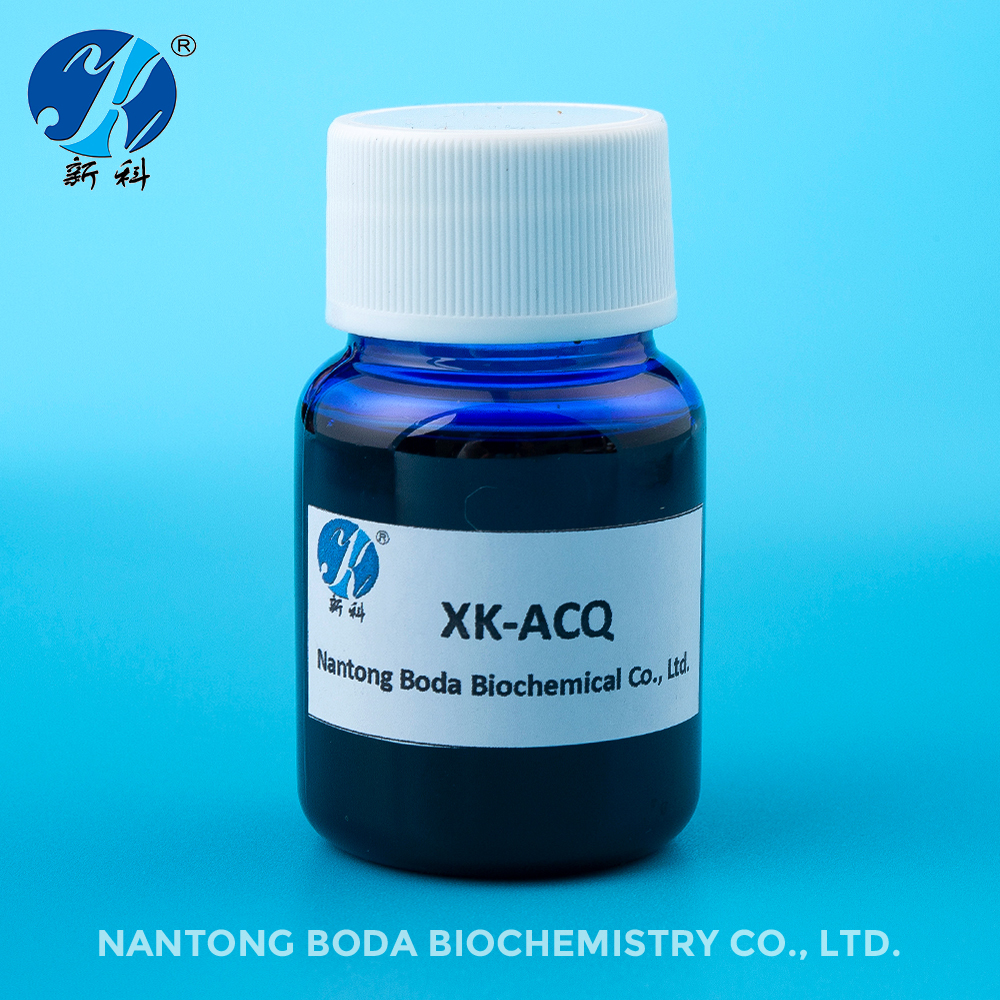 Ammoniacal Copper Quat (ACQ) Wood Preservative for Heavy-Duty Ground ContactPositioned as a water-borne alternative to solvent-borne treatments, this ACQ formulation suits ground-contact and heavy-duty timber projects, offering fungal and insect protection in line with the preceding checklist.View Product →
When a project specification permits chromated copper arsenate and the local authority allows it, the XKCCA formulation follows the established three-stage treatment process:
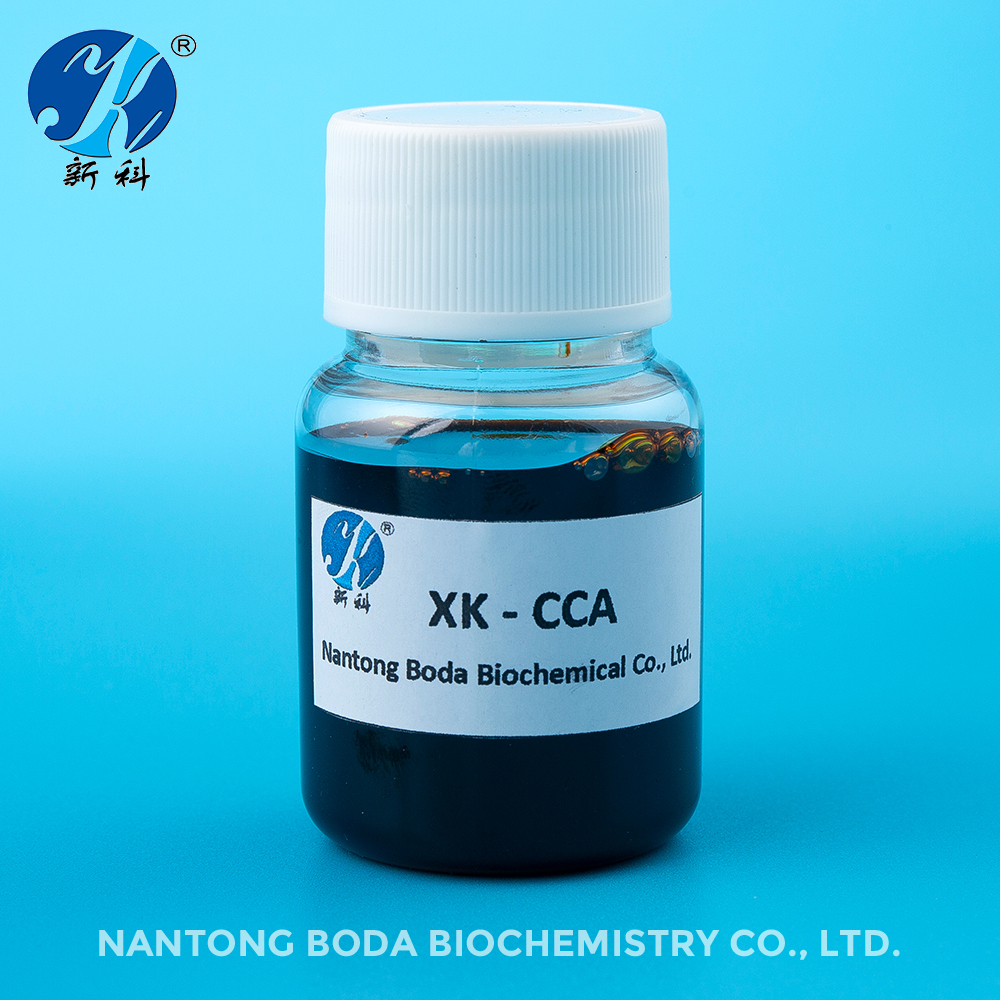 Chromated Copper Arsenate XK-CCA Wood Preservative with Three-Stage TreatmentWhen project specs permit CCA and local authorities allow it, this preservative follows the established three-stage process, delivering copper, arsenic, and chromium compounds for durable protection.View Product →
And when appearance matters more than anything else, XKM8 is the answer to the complaint that "everything turns green." It is formulated so that the processed wood keeps its original color while still being protected against fungal decay:
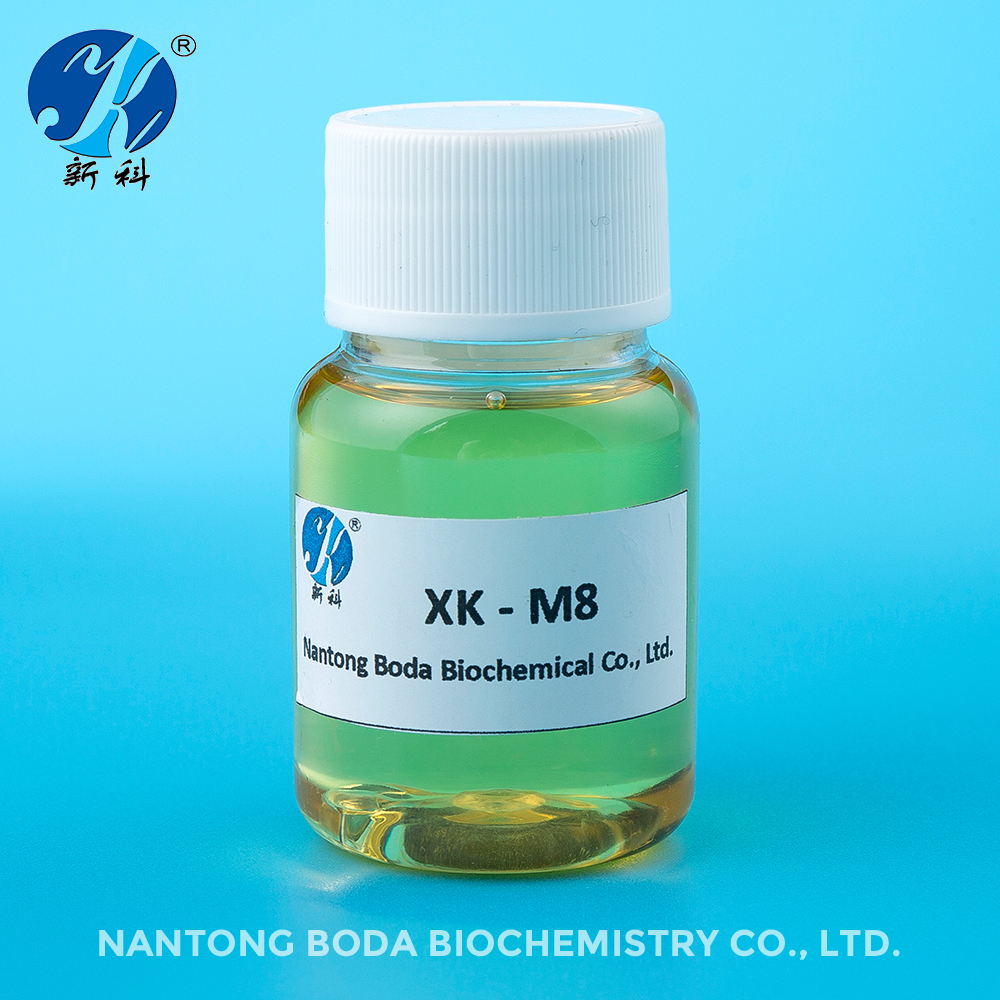 XK-M8 Wood Preservative That Preserves Original Wood ColorChosen when appearance is critical, this formulation prevents the typical green discoloration while still guarding against fungal decay, making it a practical answer to surface color concerns.View Product →
Starting with the manufacturer's own wood preservative range and matching it against the six checks above is faster than testing chemistries blind.
Naphthenate is too easily treated as a single product when it is actually a family of metal salts, each with its own market. Copper naphthenate deserves its reputation in wood preservation: it is effective, leach-resistant, and well documented over many decades of field service. Its solvent carrier, odor, and green tint, however, are exactly the issues that water-borne alternatives solve.
If you are comparing preservation options, write down your service class, application method, appearance requirements, and local emissions limits before you talk to any supplier. Those four inputs will eliminate more wrong products than any price comparison will. And when the decision moves to commercial quantities, ask the manufacturer for test reports and technical support — this is where a producer with its own laboratory, like Nantong Boda, can turn a chemistry question into a finished production decision.
Is It OK to Burn Treated Wood? Health Risks, Toxic Smoke, and Safer Disposal Methods
Industrial Preservatives: Types, Selection, and Applications for Manufacturers
Your email address will not be published. Required fields are marked *
Industrial Deodorant
Penetrating Agent
Penetrating Agent
Disinfectant Liquid
Disinfectant Liquid
Antifungal Agent for Chemical Fiber Oil

Antifungal Agent for Chemical Fiber Oil
Antifungal Agent for Chemical Fiber Oil
Antifungal Agent for Chemical Fiber Oil
Dry Film Preservatives
Dry Film Preservatives
Dry Film Preservatives

 Request A Quote
