

 English
 Español


Product Consultation
Your email address will not be published. Required fields are marked *
A buyer in Rotterdam opens a fresh IBC of wood preservative concentrate, dilutes it exactly as the label instructs, treats a batch of radiata pine, and finds the dried timber two shades darker than the reference board approved six months earlier. The treating plant did nothing wrong. The OEM specification simply never pinned the colour down.
The short version: in OEM wood preservatives, three things decide whether a private-label programme survives its first year. The active system you lock in, the retention target written into the technical agreement, and the documents that travel with every drum. Price per tonne matters, but it comes fourth.
The difference between a general-purpose wood preservative and an OEM-grade one is rarely the molecule. It is reproducibility: the same active content, the same pH, the same behaviour in dilution water, batch after batch, in packaging that carries your label and your market's registration language.
The phrase covers three different arrangements, and mixing them up is where most disputes begin.
Before requesting a quotation, be ready to state five things: wood species and sapwood allowance, intended exposure class, treating method (vacuum-pressure, dip, brush, or spray), target appearance once dry, and the destination market with its approval requirements. A supplier who asks for all five is usually the one that can hold a tolerance.
The active system dictates almost everything downstream: colour, corrosivity, leach resistance, coating adhesion, and which markets will accept the treated timber.
| System | Typical actives | Best-fit exposure | Appearance when dry | Main constraints |
|---|---|---|---|---|
| ACQ | Copper oxide with a quaternary ammonium compound | Above-ground and ground contact | Green to green-brown tint | Alkaline; needs hot-dip galvanised or stainless fasteners |
| CCA | Chromated copper arsenate | Heavy-duty ground contact and marine, where still registered | Green to brown | Residential uses withdrawn in the US; restricted in the EU; heavy documentation |
| Copper-azole | Copper with an azole co-biocide | Above-ground where lower colour impact is wanted | Light green-brown | Still copper-based; check coating and fastener compatibility |
| Borate | Boron salts | Protected interior, framing, engineered wood | Essentially colourless | Leaches in wet or ground-contact service |
| Organic-only | IPBC, azoles, isothiazolinones | Coatings, millwork primers, metal-free lines | Little to no colour change | Weaker against termites and long-term ground contact |
For most waterborne OEM programmes, ACQ remains the workhorse: no chromium or arsenic, reliable above-ground and ground-contact performance, and familiar handling for treating plants. The mechanism and the treating variables are well documented, and a closer look at how ammoniacal copper quat preservatives function in practice is worth twenty minutes before you commit to a dosing schedule.
Where the wood will face fungal decay and insect pressure at the same time, the specification usually names a defined concentrate rather than a generic category, so that retention range and documentation stay fixed across batches.
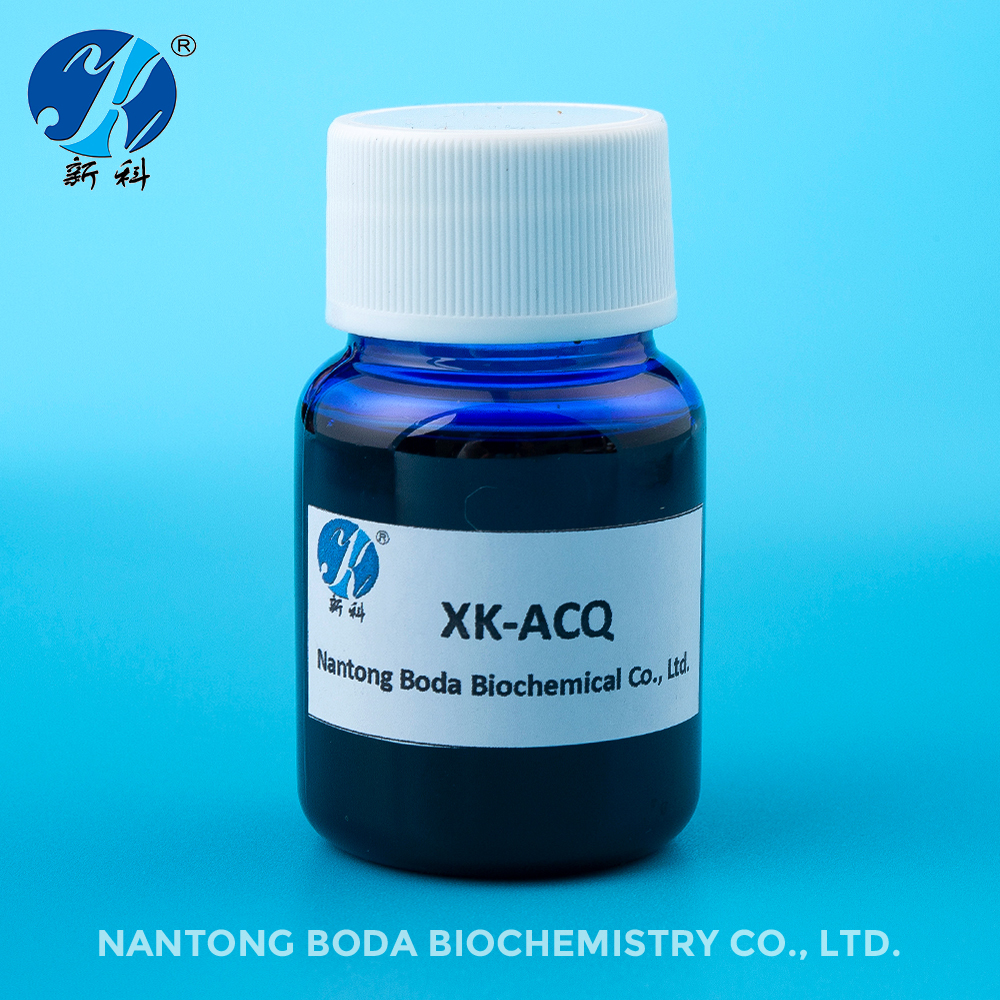 XK-ACQ Ammonical Copper Quat Wood Preservative ConcentrateA defined waterborne ACQ concentrate for exterior and interior timber, with fixed 15±1% actives, 1:20 dilution, and documentation for fungal and insect protection.View Product →
A preservative datasheet can run to several pages. A handful of values control whether your treated timber comes out the same every time.
On the application side, the agreement needs dilution ratio, target retention in kilograms per cubic metre of wood, penetration requirement, fixation and drying windows, and the tolerance you will accept when a retention check comes back from the laboratory.
The bars are relative, not absolute figures; real values depend on the active system, the species, and the standard being applied. The shape still explains two commercial facts: interior-only chemistry cannot be sold into ground contact, and heavy-duty programmes carry more sampling cost because the margin for error is smaller.
Colour is the other number buyers notice. If your brand sells on appearance, fix a colour retention standard at pilot stage rather than after the first container, and choose a system whose dried tone sits close to the timber's original shade.
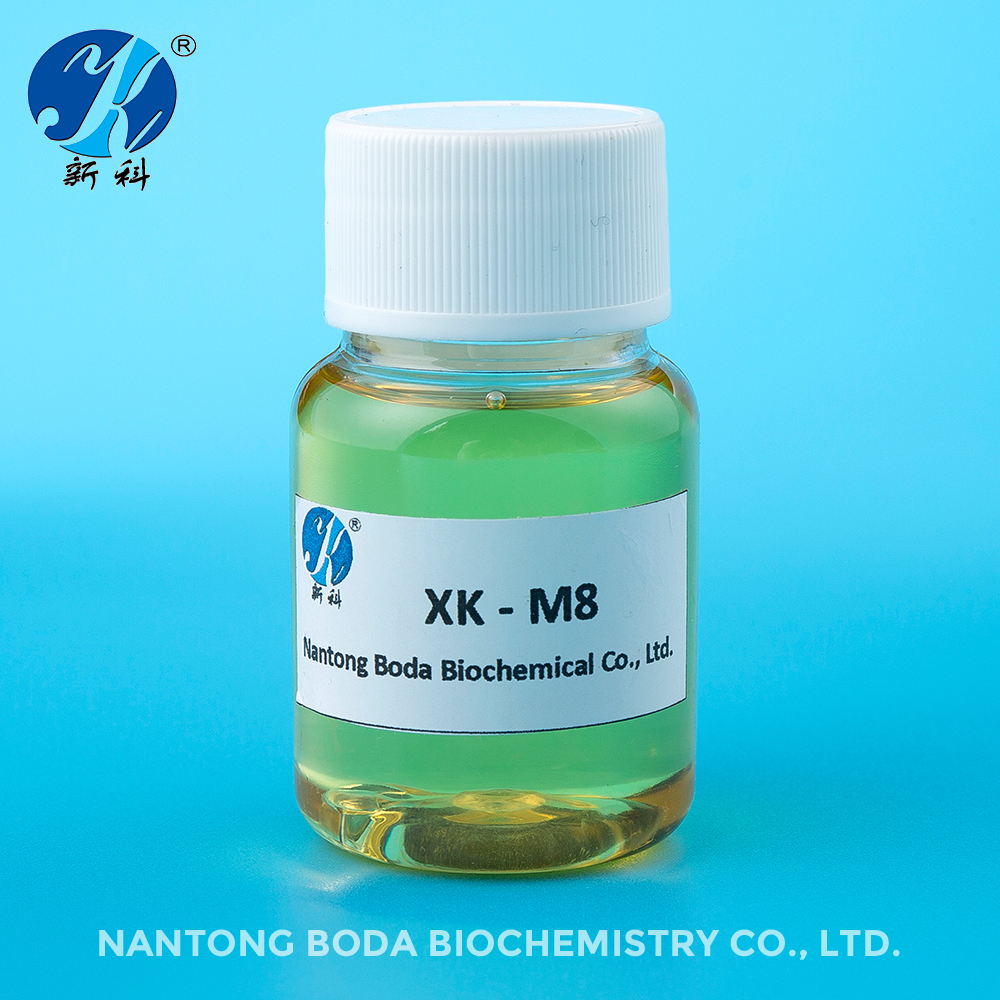 XK-M8 Wood Preservative for Bamboo Rattan and TimberA water-soluble preservative for wood, bamboo, and rattan that protects against mildew and insects while helping treated material retain its original color and finish.View Product →
Paperwork follows the market where the treated wood will be sold, not the supplier's home market.
Ask who owns the registration data and whether a letter of access is available. If your marketing will claim durability or efficacy, those claims have to rest on the supplier's test data rather than on a generic sentence in a brochure.
Wood preservative is mostly water, so shipping dilution is expensive. Concentrates move in 200-litre drums, 1,000-litre IBCs, and isotanks; ready-to-use solutions make sense only for small private-label runs.
A plant within a few hours' drive of a major container port keeps that inland leg short and makes part-load shipments practical while a new product line ramps up.
Dual protection against fungal decay and termite attack is far easier to qualify when the concentrate, its retention range, and its paperwork are fixed from the start.
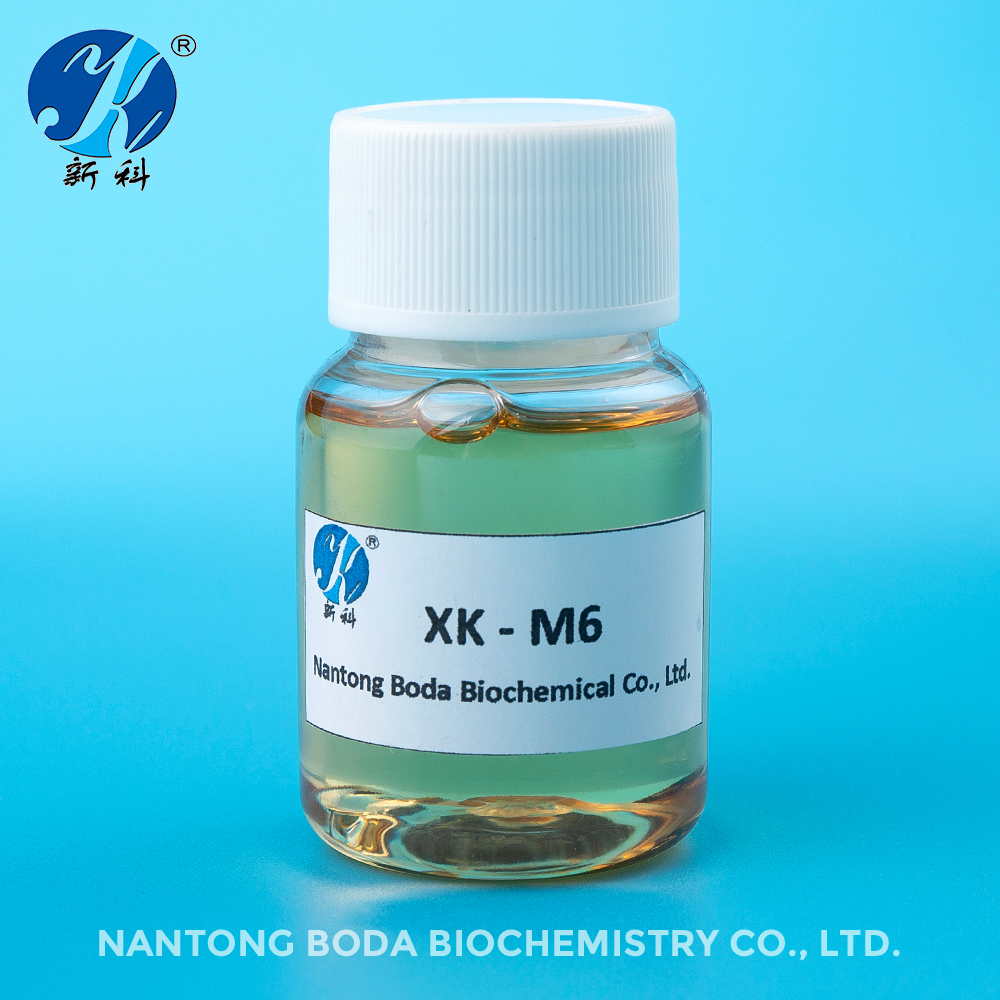 XK-M6 Wood Protective Concentrate for Constructional and Framework TimberA micro-emulsion concentrate combining tebuconazole, propiconazole, IPBC, and cypermethrin for constructional timber needing dual fungal-decay and termite protection with repeatable dilution.View Product →
OEM wood preservatives are a documentation and repeatability business before they are a chemistry business. Match the active system to the exposure class, write tolerances into the technical agreement, and check the paperwork against the market you are selling into. A manufacturer that produces its own preservatives, tests them in house, and ships from a port within a few hours of the plant removes several of those variables at once.
Industrial Preservatives: Types, Selection, and Applications for Manufacturers
Good News | Nantong Boda Biochemistry Co.,Ltd. Completes Turkey KKDIK Registration for DMDMH Preservative, Registration Documents Approved
Your email address will not be published. Required fields are marked *
Industrial Deodorant
Penetrating Agent
Penetrating Agent
Disinfectant Liquid
Disinfectant Liquid
Antifungal Agent for Chemical Fiber Oil

Antifungal Agent for Chemical Fiber Oil
Antifungal Agent for Chemical Fiber Oil
Antifungal Agent for Chemical Fiber Oil
Dry Film Preservatives
Dry Film Preservatives
Dry Film Preservatives

 Request A Quote
