

 English
 Español


Product Consultation
Your email address will not be published. Required fields are marked *
Preservative antifungal agents are chemicals used to prevent the growth of fungi, molds, and yeasts in a variety of products. These agents are essential for maintaining the quality and longevity of products across industries such as food, pharmaceuticals, cosmetics, and even industrial applications. By inhibiting fungal growth, these preservatives help extend the shelf life of products, ensuring they remain safe and effective for use.
The action of preservative antifungal agents revolves around their ability to interfere with the metabolic processes of fungi. These agents typically work by either disrupting the cell membrane of fungi, inhibiting enzyme activity, or interfering with cell wall synthesis. This makes it difficult for fungi to grow, reproduce, or spread within the product, thus maintaining the integrity and safety of the product.
Some antifungal agents operate by disrupting the cell membrane of fungi. The chemical agents alter the permeability of the cell wall, leading to the leakage of essential cellular contents. This weakens the cell and eventually causes the fungus to die or become inactive.
Other antifungal agents target specific enzymes that are vital for the growth and reproduction of fungi. By inhibiting these enzymes, the preservative prevents the fungus from metabolizing nutrients or replicating, halting its growth.
Some antifungal preservatives inhibit the synthesis of the fungal cell wall, which is essential for cell integrity and survival. Without a strong cell wall, the fungus is unable to maintain its shape, leading to its eventual breakdown and death.
Preservative antifungal agents come in a variety of forms, each with specific uses in different industries. The most common types include:
Organic acids, such as sorbic acid and benzoic acid, are commonly used as antifungal preservatives in food and beverages. These acids lower the pH of the product, creating an environment that is inhospitable to fungi and other microorganisms.
Imidazole derivatives, such as ketoconazole, are antifungal agents used in pharmaceutical and cosmetic products. These agents are highly effective in treating fungal infections and are also utilized as preservatives in creams and lotions to prevent fungal contamination.
Azole compounds like clotrimazole and fluconazole are widely used in both medical and cosmetic industries. These preservatives are highly effective at preventing the growth of fungi in topical products such as creams, shampoos, and lotions.
Alcohols, such as ethanol and isopropanol, are often used as antifungal agents in disinfectants and hand sanitizers. Their broad-spectrum activity makes them effective against a wide range of fungi, bacteria, and viruses.
Preservative antifungal agents have a wide range of applications across various industries, helping to improve product stability, safety, and shelf life.
In the food and beverage industry, antifungal preservatives help extend the shelf life of products like baked goods, sauces, and beverages. They prevent mold and yeast growth, preserving the taste, texture, and appearance of the food. Common antifungal agents in this industry include sorbic acid and sodium benzoate.
In the pharmaceutical industry, antifungal agents are used in both the formulation of medications and as preservatives in oral and topical products. These preservatives prevent fungal contamination and ensure the safety and efficacy of the products.
Antifungal preservatives are essential in cosmetics and personal care products such as lotions, shampoos, and deodorants. They help prevent fungal contamination, which can cause skin irritation or product spoilage. Common antifungal agents used in cosmetics include imidazole derivatives and azole compounds.
In industrial settings, antifungal agents are used to preserve paints, coatings, and lubricants. These preservatives prevent fungal growth in the materials, ensuring they maintain their quality and performance in humid or damp environments.
While preservative antifungal agents are effective in controlling fungal growth, their use must be carefully regulated to ensure safety. Regulatory bodies such as the FDA, EFSA, and EPA set limits on the concentration of antifungal agents in products, ensuring that they do not pose health risks to consumers. It is essential for manufacturers to comply with these regulations to maintain product safety and consumer trust.
Comprehensive Guide to Wood Preservatives and Fungicides for Long-Lasting Protection
Complete Guide to Protecting Outdoor Wood from Rot, UV, and Moisture
Your email address will not be published. Required fields are marked *
Industrial Deodorant
Penetrating Agent
Penetrating Agent
Disinfectant Liquid
Disinfectant Liquid
Antifungal Agent for Chemical Fiber Oil

Antifungal Agent for Chemical Fiber Oil
Antifungal Agent for Chemical Fiber Oil
Antifungal Agent for Chemical Fiber Oil
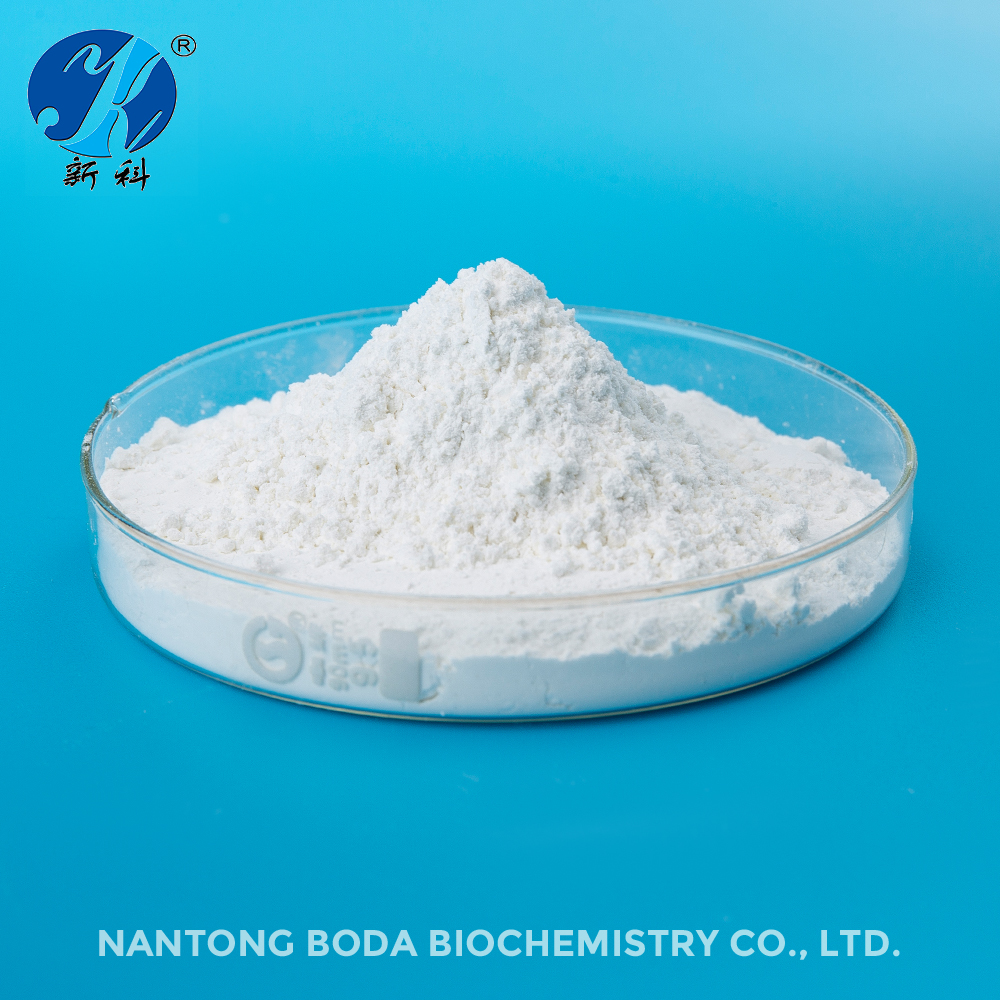
Dry Film Preservatives
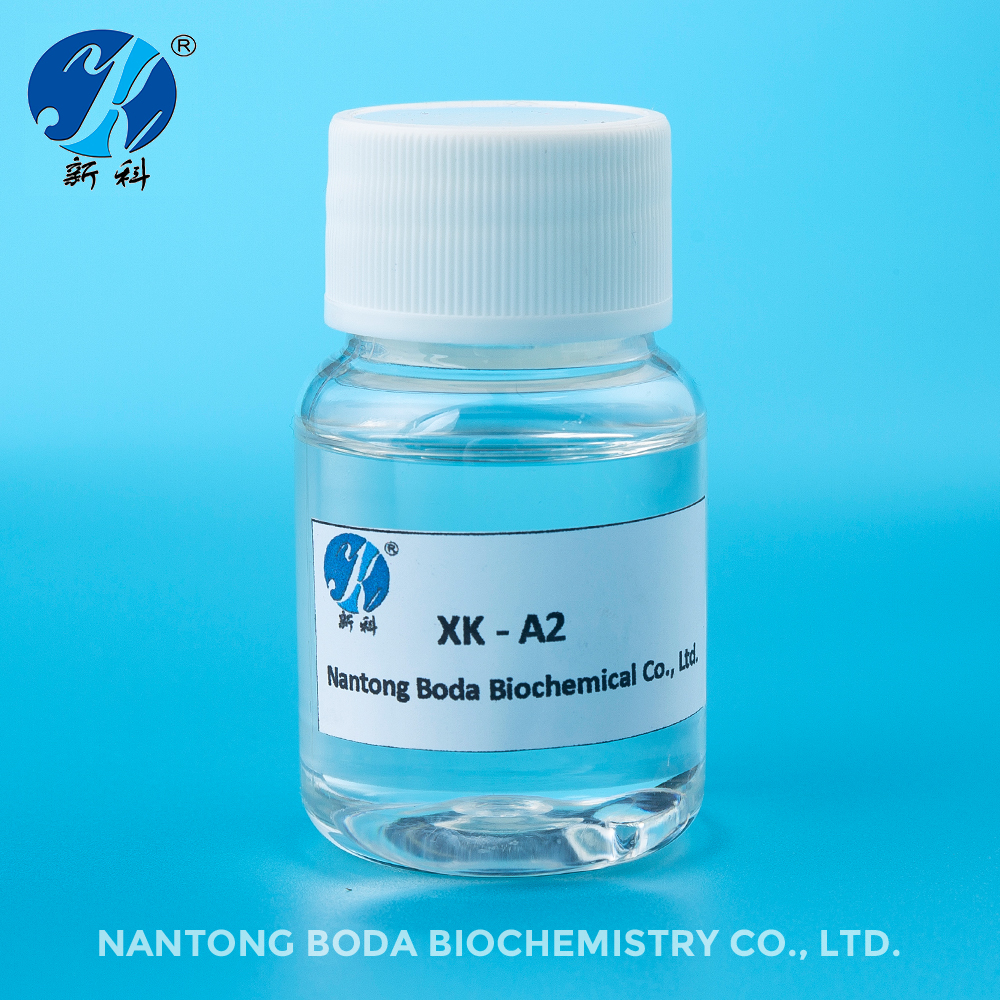
Dry Film Preservatives
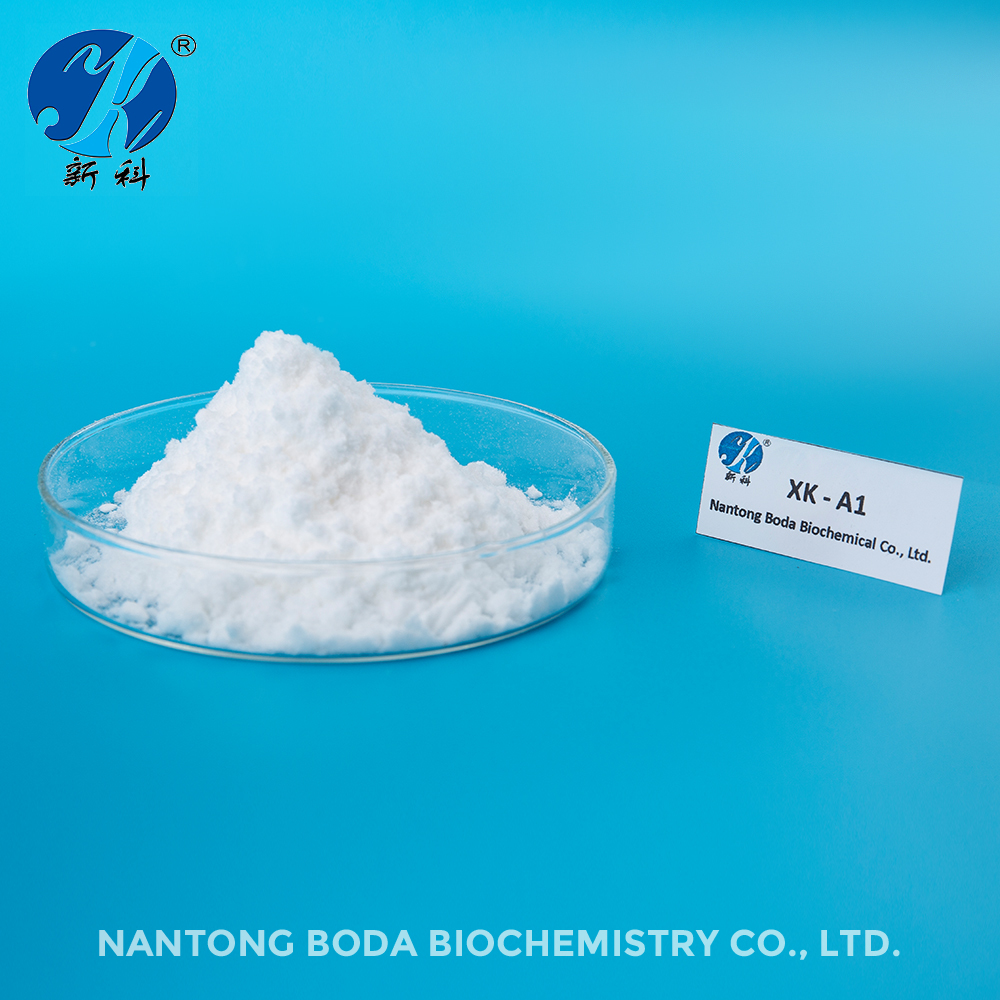
Dry Film Preservatives

 Request A Quote
