

 English
 Español


Product Consultation
Your email address will not be published. Required fields are marked *
You spend a weekend applying a fresh coat of stain to a new cedar planter, set it on the patio, and by the end of summer the corners are cracked and a soft patch near the soil line signals rot. That failure is usually not a product-quality problem. It is a selection problem: a decorative surface finish was used where a penetrating wood treatment was required. The best wood treatment for outdoors is not necessarily the most expensive finish on the shelf. It is the treatment that matches the wood's actual exposure to moisture, sun, and soil.
Outdoor wood faces a combination of stress that indoor wood never encounters. Rain and humidity push moisture into the fibers, causing the wood to swell. When it dries, it shrinks and develops fine cracks. Every wet-dry cycle widens those cracks a little more, and each crack gives water a deeper path into the wood.
Inside that water, fungal spores germinate. Decay fungi digest cellulose and lignin, which is the mechanism behind soft rot, brown rot, and white rot. Once decay takes hold, no topcoat can reverse it, because the damage is inside the wood. At the same time, termites and other wood-destroying insects can excavate structural members from the inside, often with little visible evidence on the surface.
UV radiation adds a third failure mode. It breaks down lignin at the surface, producing the gray, fuzzy appearance of weathered wood. As the surface erodes, any coating sitting on top loses its bond and begins to peel. This is why a treatment must be selected before the wood is installed, not after the first signs of weathering appear.
Outdoor wood products fall into two families, and confusing them is the most common source of premature failure.
A preservative contains biocides that are toxic to decay fungi, mold, and insects. It penetrates into the wood structure and protects it from the inside. Even when the surface is scratched, cracked, or weathered, the preservative continues to work. That makes it the required choice for ground-contact applications, structural timber, and any wood that will stay wet for extended periods.
Common classes include copper-based systems such as ACQ (alkaline copper quaternary) and CCA (chromated copper arsenate), along with organic biocides such as IPBC, OIT, and MBS-based formulations. Each has a specific performance profile: copper-based products deliver strong protection against both decay and termites, while organic systems are often used in above-ground applications where handling and environmental considerations are priorities.
Finishes, including varnish, polyurethane, paint, and exterior stains, protect by forming a film on the surface. They block water and UV light and control the appearance of the wood. But a film does not protect the interior. If moisture enters behind the film, it becomes trapped, and the wood can rot faster than if it had received no finish at all.
The practical implication is straightforward: a preservative is the foundation of outdoor performance, and a finish is its protective topcoat. When you evaluate the best wood treatment for outdoors, the answer usually involves both concepts, a penetrating preservative first, and a compatible finish on top for appearance and extra weather resistance.
Once you understand the difference between preservation and finishing, the selection comes down to a few measurable factors.
Read the label and look for the active ingredients, not just marketing terms. A treatment with a low concentration of a narrow-spectrum biocide may be suitable for a sheltered carport, but it will struggle in ground contact or tropical humidity. Copper-based actives such as ACQ have decades of field data behind them for high-moisture and ground-contact use.
The XKM6 wood protective is an example of a formulation aimed at both fungal decay and insect attack, including termites, which is exactly the combination that outdoor timber actually faces.
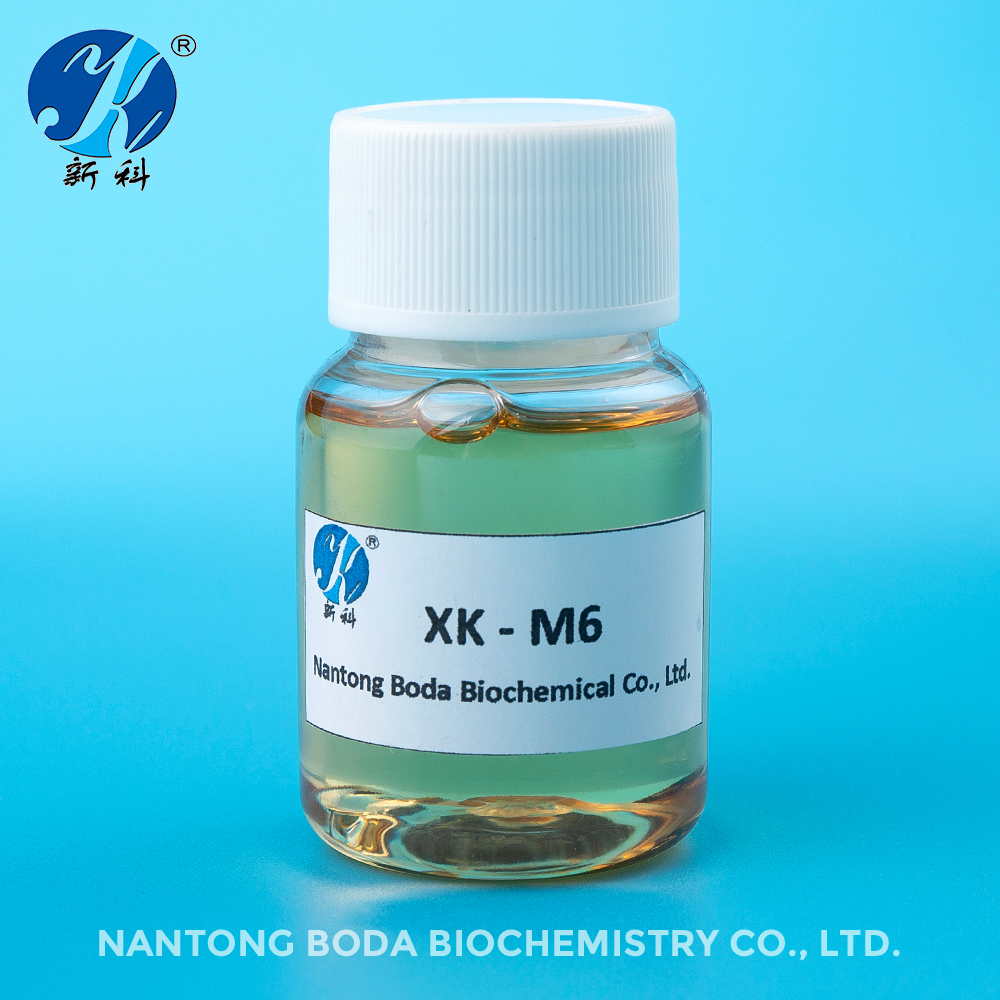 Wholesale XK-M6 Wood Protective - Protects against fungal decay and insect attacNantong Boda Biochemistry Co.,Ltd. is China Wholesale XK-M6 Wood Protective - Protects against fungal decay and insect attack, including ...View Product →
Water-based preservatives dominate modern outdoor treatment because they penetrate well, dry reasonably fast, and avoid the odor and fire hazards of solvent systems. Solvent-based formulations still have a place where deep penetration into dense hardwoods is needed, but they add handling and disposal complexity.
For most decking, fencing, and structural timber, a water-based system provides the best balance of performance and practicality. If you prefer a water-based option with copper chemistry, XK-ACQ wood preservative is formulated for exterior wood where extended protection is expected.
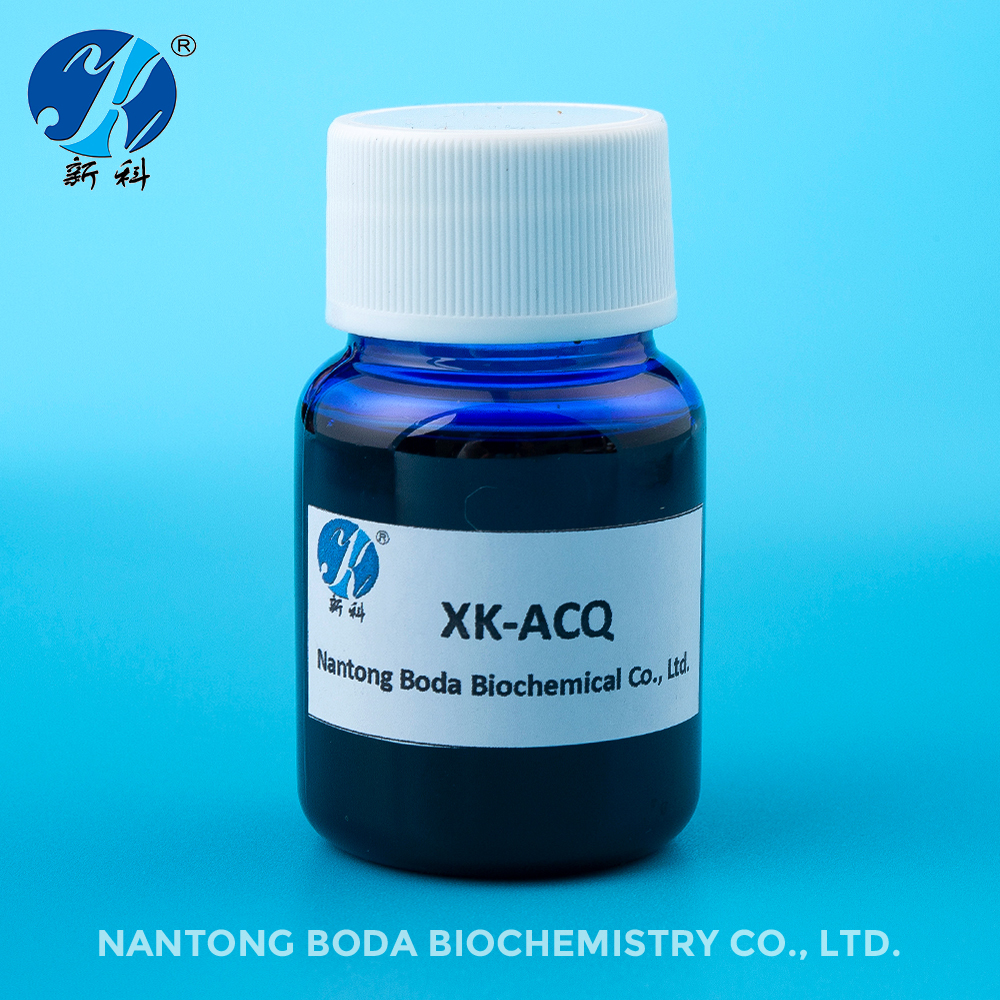 Wholesale Wood Preservatives - Ammonical Copper Quat (ACQ) Manufacturers, OEM/ONantong Boda Biochemistry Co.,Ltd. is China Wholesale Wood Preservatives - Ammonical Copper Quat (ACQ) Manufacturers and OEM/ODM Supplie...View Product →
For industrial and commercial buyers, retention is the number that matters most. Retention is the amount of active preservative remaining in the wood after treatment, expressed in kilograms per cubic meter. Standards such as AWPA U1 define minimum retention levels for different exposure classes: above-ground use, ground-contact use, and marine use. A treatment that meets the retention requirement for its exposure class will perform; one that merely wets the surface will not.
The best wood treatment for outdoors is always the one matched to the specific project. Wood in the ground, wood above the ground, and wood near the coast all need different protection.
| Application | Exposure | Treatment recommendation |
|---|---|---|
| Deck boards and railings | Above ground, wet | Penetrating preservative plus a water-repellent topcoat |
| Fence and structural posts | Ground contact | High-retention copper-based preservative |
| Garden furniture | Above ground, wet | Organic preservative plus a UV-blocking finish |
| Siding and cladding | Above ground, wet | Preservative pre-treatment plus a breathable exterior stain |
| Planters and raised beds | Soil contact | Ground-contact-rated preservative with a protective liner |
The most frequent mistake is applying a decorative oil to wood that spends its life in contact with soil. Decorative oil is a cosmetic treatment. It does not stop decay fungi inside the wood, and it will be overwhelmed quickly where moisture is constant.
Application method determines penetration depth, and penetration depth determines service life. There are three practical approaches, and each fits a different situation.
The common methods of applying wood preservatives all share one rule: the wood must be dry, clean, and free of old finish, and the treatment should be applied until the surface stops absorbing liquid. Most penetrating products are applied at roughly 150 to 250 square meters per liter per coat, but dense hardwoods and end-grain sections absorb more and may need a second coat.
No outdoor treatment lasts for the life of the structure. A well-applied preservative with a maintained topcoat typically provides five to ten years of protection, with the shorter end of the range in high-UV or coastal environments. The key to longevity is re-coating before the topcoat visibly fails, not after water has already penetrated.
Appearance also plays a role in product choice. Many copper-based preservatives leave a green or brown tint on the wood. That color is a sign that protection is present, but it is not always acceptable for furniture, millwork, or interior-adjacent applications. When the natural color of the wood matters, XKM8 wood preservative is designed to keep treated wood closer to its original tone while still delivering decay resistance.
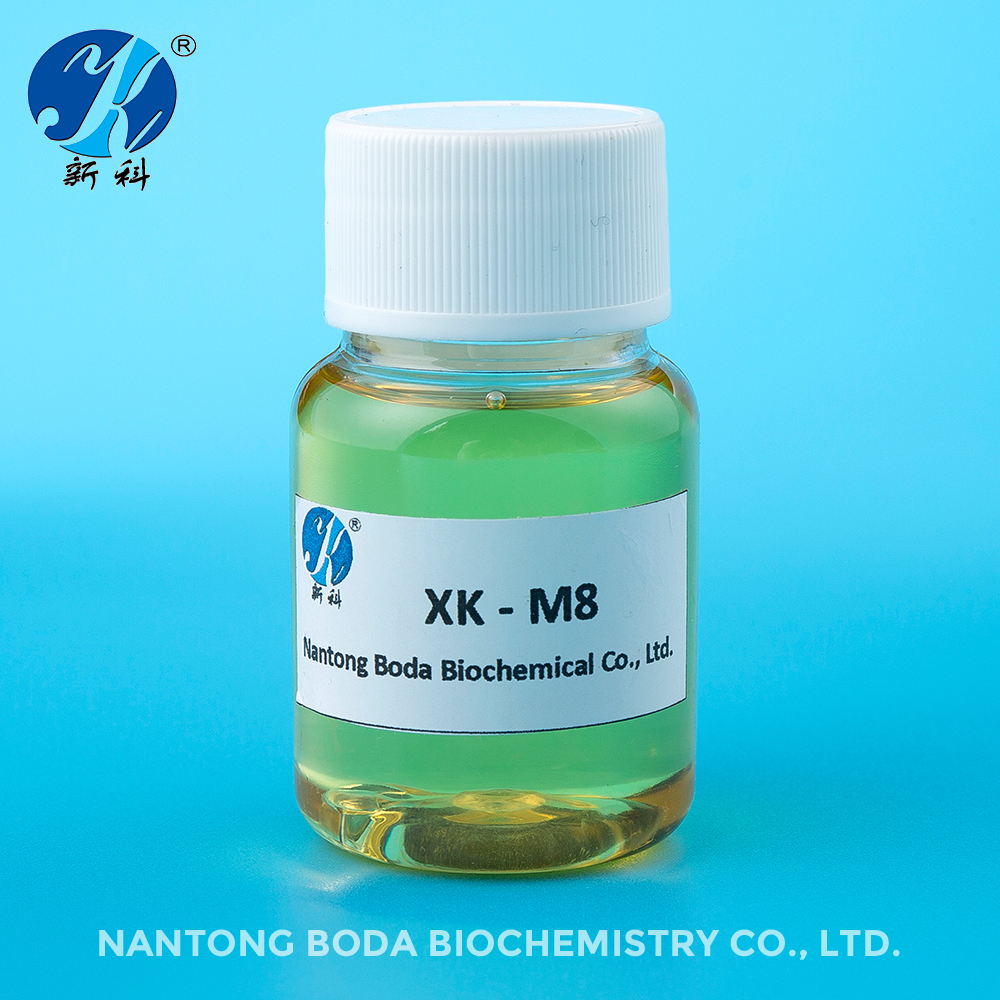 Wholesale XK-M8 wood preservative - processed wood will retain original color MNantong Boda Biochemistry Co.,Ltd. is China Wholesale XK-M8 wood preservative - processed wood will retain original color Manufacturers ...View Product →
The best wood treatment for outdoors is not a single product. It is a decision sequence: identify the moisture and insect risk, choose a preservative with active ingredients tested for that exposure, and protect the surface with a compatible finish. Ground-contact wood needs copper-based or equivalent chemistry; above-ground wood can often use a well-formulated organic treatment; and appearance-sensitive projects should be selected for color retention as well as protection.
Treat outdoor wood as the high-moisture material that it is, apply the treatment before installation where possible, and re-coat on a schedule instead of waiting for visible failure. Wood that is preserved properly from day one will outlast every adjacent project that received only a surface coating.
4 Types of Wood Preservatives Explained: Water-Borne, Oil-Borne, Borate, Copper
Can Treated Wood Get Wet? What Really Happens and How to Protect It From Moisture Damage
Your email address will not be published. Required fields are marked *
Industrial Deodorant
Penetrating Agent
Penetrating Agent
Disinfectant Liquid
Disinfectant Liquid
Antifungal Agent for Chemical Fiber Oil

Antifungal Agent for Chemical Fiber Oil
Antifungal Agent for Chemical Fiber Oil
Antifungal Agent for Chemical Fiber Oil
Dry Film Preservatives
Dry Film Preservatives
Dry Film Preservatives

 Request A Quote
