

 English
 Español


Product Consultation
Your email address will not be published. Required fields are marked *
A construction inspector walks through a residential building site, stops at a treated-wood deck frame, and points to the exposed end grain of a pressure-treated support beam. "That needs field treatment under AWPA M4," she says. Builders often nod and wonder what exactly AWPA M4 requires, which areas must be treated, and which preservatives are acceptable. This article explains the AWPA M4 standard, why it exists, and how to apply its field-treatment requirements correctly on the job.
The American Wood Protection Association (AWPA) publishes a set of consensus standards that cover every stage of preservative-treated wood, from processing to installation. One of the most frequently cited standards is AWPA M4, the Standard for the Care of Preservative-Treated Wood Products. M4 describes the practices needed to keep treated wood protected after it leaves the treating plant. It covers proper handling, storage, and cutting, but the section that gets the most attention is field treatment: applying a preservative to areas where the original treatment layer has been removed.
Field treatment is not optional in many building jurisdictions. The standard applies to structural lumber, posts, decking, and other components that have been cut, drilled, or damaged during fabrication or installation. The goal is to restore the preservative barrier so moisture, fungi, and insects cannot enter the exposed wood.
Treated wood is protected only where the preservative has penetrated. When a board is cut to length or a hole is drilled for a bolt, the operation opens a pathway to untreated interior wood. Without a follow-up application, that spot becomes a potential entry point for wood-decay fungi and subterranean termites.
In exterior use, the risk increases significantly. Moisture from rain or irrigation keeps the cut surface damp for long periods, giving fungi the conditions they need to establish. Even a small untreated end cut on a deck joist can allow decay to spread into the surrounding board, weakening the connection over time. In ground-contact applications, termites can find the exposed area within a single season.
AWPA M4 was created to close that gap. It gives inspectors a clear benchmark and gives builders a repeatable method to protect every exposed surface. The standard also reminds crews that not all treated wood is equally resistant after cutting; the field-treatment step is what maintains the design life of the component.
A common misconception is that the original pressure-treating chemical will migrate to the cut end over time. In most commercial treatments, this is not reliable. M4 therefore requires a manual application of preservative to the affected area.
For a deeper look at how wood preservatives shield against decay and insects, see this explanation of the protection mechanism.
AWPA M4 does not require treating every square inch of a piece of wood. It focuses on specific zones where the original protection has been compromised. The table below summarizes the main items inspectors look for.
| Condition | Required Action | Common Preservative |
|---|---|---|
| End cuts on treated lumber | Apply preservative by brush, spray, or dip | Borate-based solution for interior use |
| Drilled holes and fastener penetrations | Flood the hole with preservative before assembly | Oxine copper for exterior above-ground use |
| Damaged or abraded surfaces | Remove debris, then treat the bare wood | Water-repellent preservative |
| Field cuts on round poles or posts | Treat the cut face and a band down the side | Copper naphthenate or borate depending on use |
These are general examples, not the complete text of the standard. M4 lists different preservative systems and dilution rates, and it distinguishes between wood that will be painted, varnished, or left exposed. For example, some borate solutions are water-resistant enough for exterior use only when protected from direct wetting. Builders should always check the current year's AWPA Book of Standards or ask the preservative supplier for a product that meets the applicable use category.
The right field-treatment product balances protection, compatibility, and practicality. On a job site, you want a product that penetrates quickly, does not interfere with coatings, and remains effective in the intended moisture environment.
For protecting exposed end grain and fastener holes against fungal decay and termite attack, a concentrated wood preservative with a proven formulation is worth considering. XKM6 wood protective is formulated for use on structural timber and outdoor wood components.
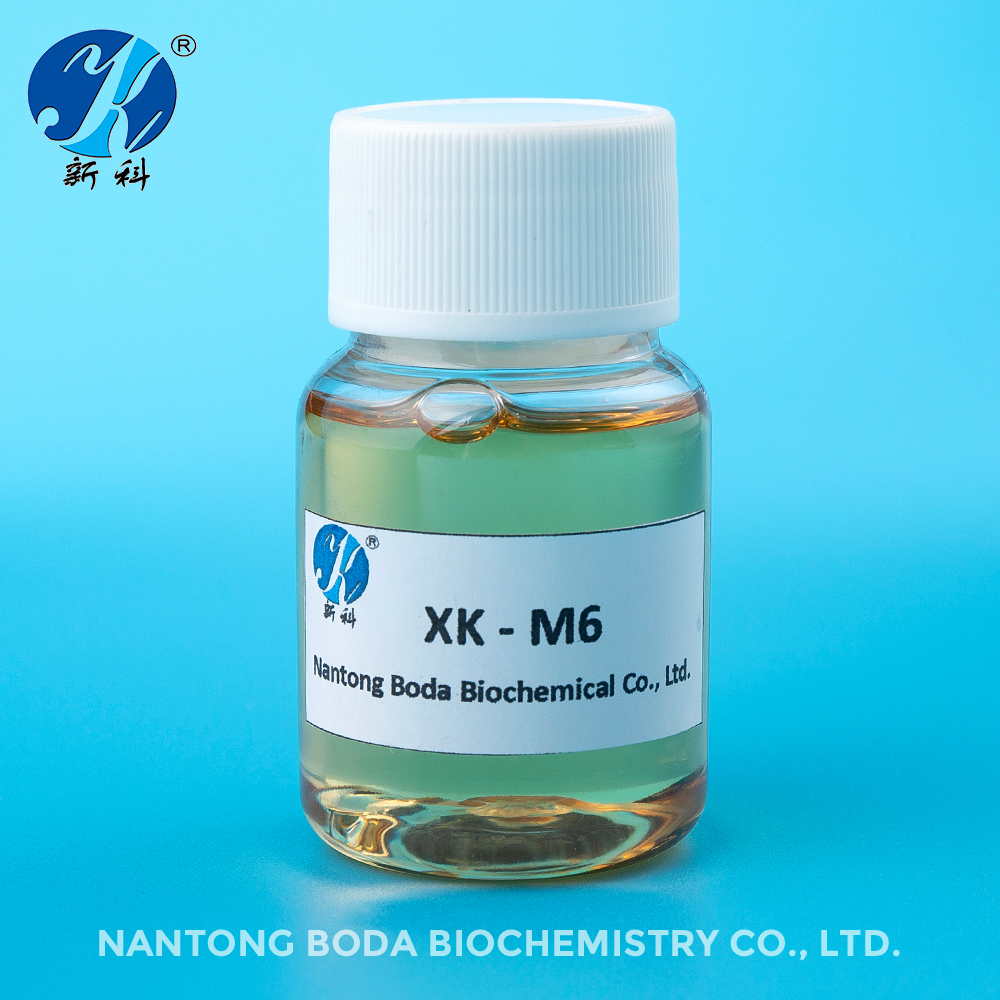 XK-M6 Wood Protective Concentrate for Structural TimberA straw-colored liquid concentrate formulated to guard structural timber and outdoor wood against fungal decay and insect attack, including termites. It suits end grain and fastener holes in high-moisture areas.View Product →
It can be brushed or sprayed onto cut ends and damaged areas, and it is particularly useful where moisture and insect pressure are high.
Correct application is as important as selecting the right preservative. The standard expects the treated surface to receive a generous, uniform application. Start by removing sawdust, dirt, and moisture from the surface. For end cuts, use a coarse brush to work the solution into the wood grain. For drilled holes, flood the hole with preservative so it penetrates the surrounding fibers before the fastener is inserted.
Brushing is often the first choice for end grain because the mechanical action pushes the liquid into the exposed pores. Spraying is faster for large surfaces, but it can leave puddles and uneven penetration if the nozzle is held too close. Dipping is the most thorough method for small parts, but it requires a suitable container and a way to manage excess solution.
Apply enough solution to make the surface visibly wet. The standard recommends a period of drying before the piece is placed into service. Treat all sides of a cut, not just the face, because fungi and insects can enter through corners and edges.
Some treated timber is expected to keep a clean appearance after remedial coating. One option is XKM8 wood preservative, which is formulated to help processed wood retain its original color.
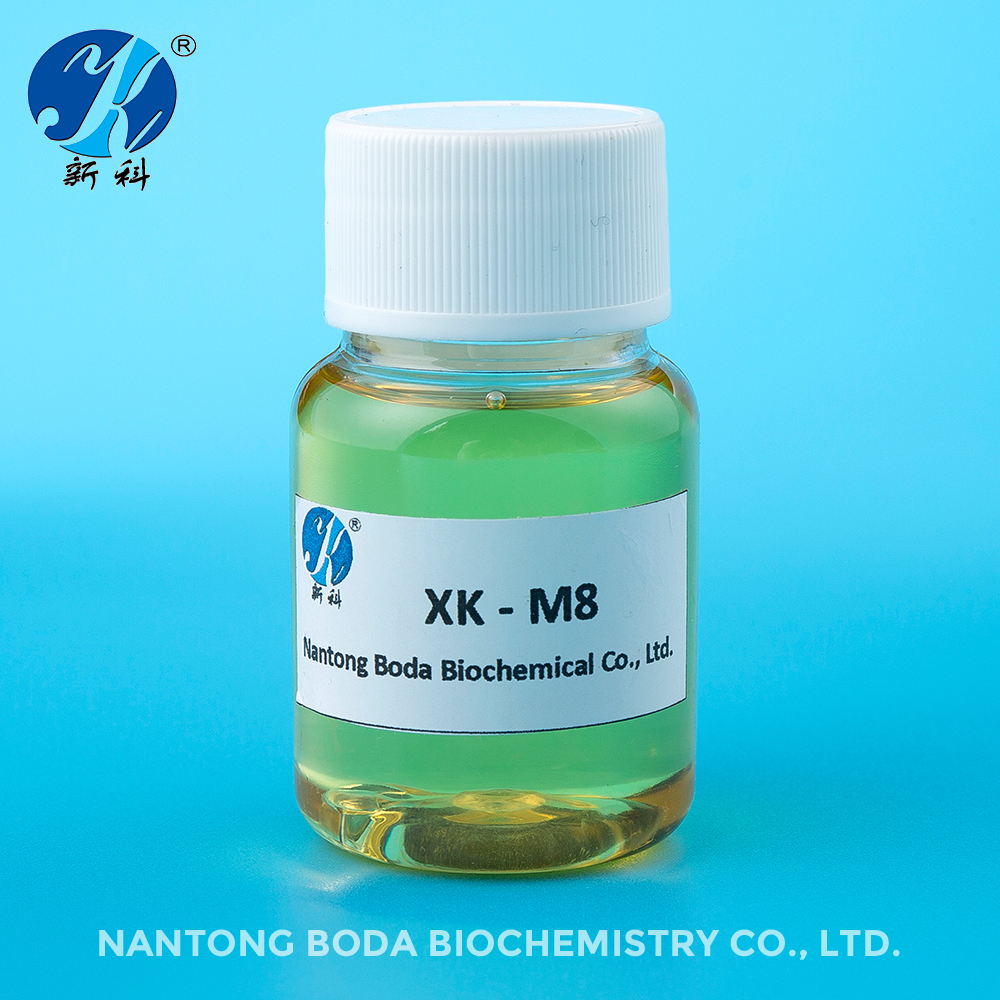 XK-M8 Wood Preservative That Retains Original ColorA wood preservative designed for processed wood that keeps its natural appearance, making it useful for visible joinery, deck surfaces, and architectural elements where a treated look is undesirable.View Product →
This makes it suitable for visible joinery, deck surfaces, and other architectural wood elements where a treated look would be undesirable.
For builders, M4 is a quality-control checklist. It protects them from warranty claims caused by premature decay at cut sites. For inspectors, it provides a clear, third-party standard they can reference without relying on anecdotal advice.
Homeowners also benefit from knowing the basics. If you see exposed, untreated cut ends on a new deck or porch, you have the right to ask for field treatment. Because building codes often incorporate AWPA standards by reference, M4 carries practical weight even when the site inspector has not brought it up during the first walkthrough.
To verify compliance, ask for the treatment record or look for the preservative label on the jobsite. The label should clearly state the type of preservative and its intended use for field applications. If the crew used a product labeled for other purposes, question it before the work is covered.
When in doubt, consult the wood preservative manufacturer. A specialist producer like Nantong Boda Biochemistry can help you select a compatible treatment product and supply the required documentation for the project file.
Copper Azole (CA) Pressure Treated Lumber: Uses, Safety, and Buying Guide
Cut and Treat Wood Preservative: Keep Cut Ends of Pressure-Treated Lumber Safe
Your email address will not be published. Required fields are marked *
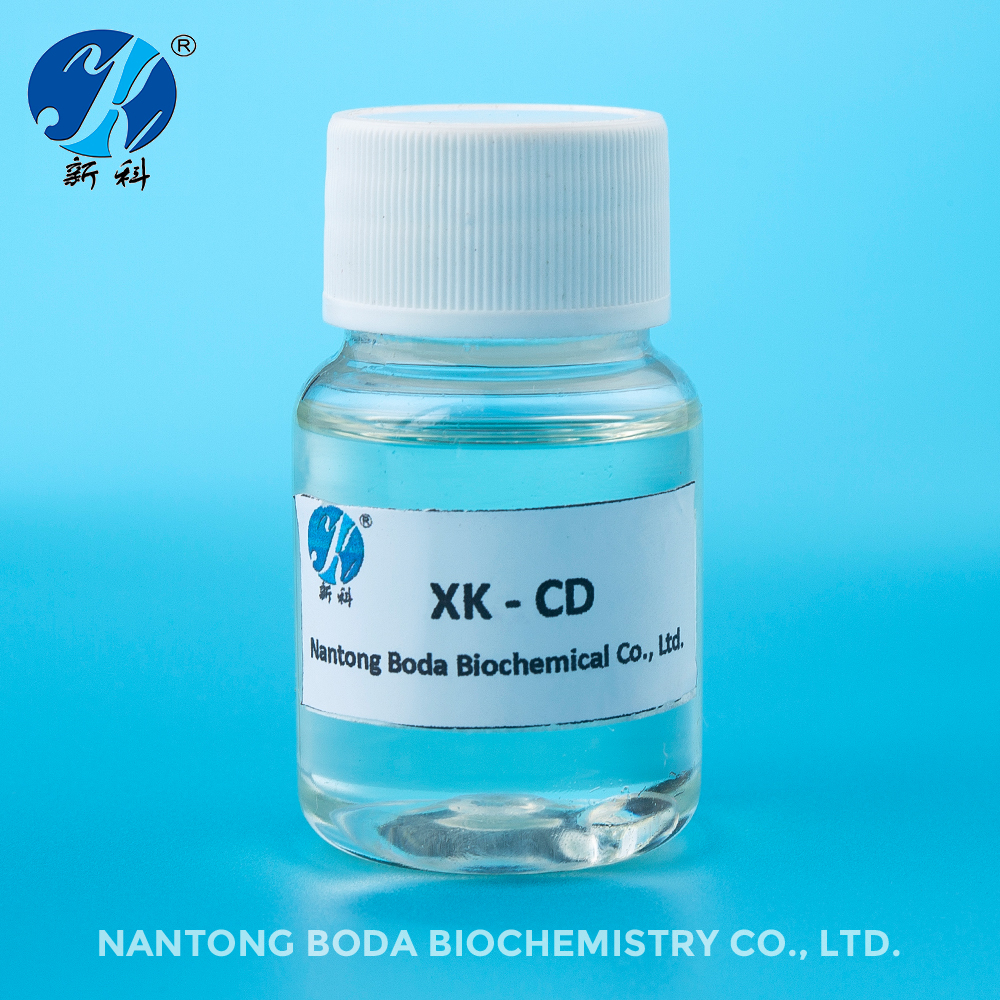
Industrial Deodorant
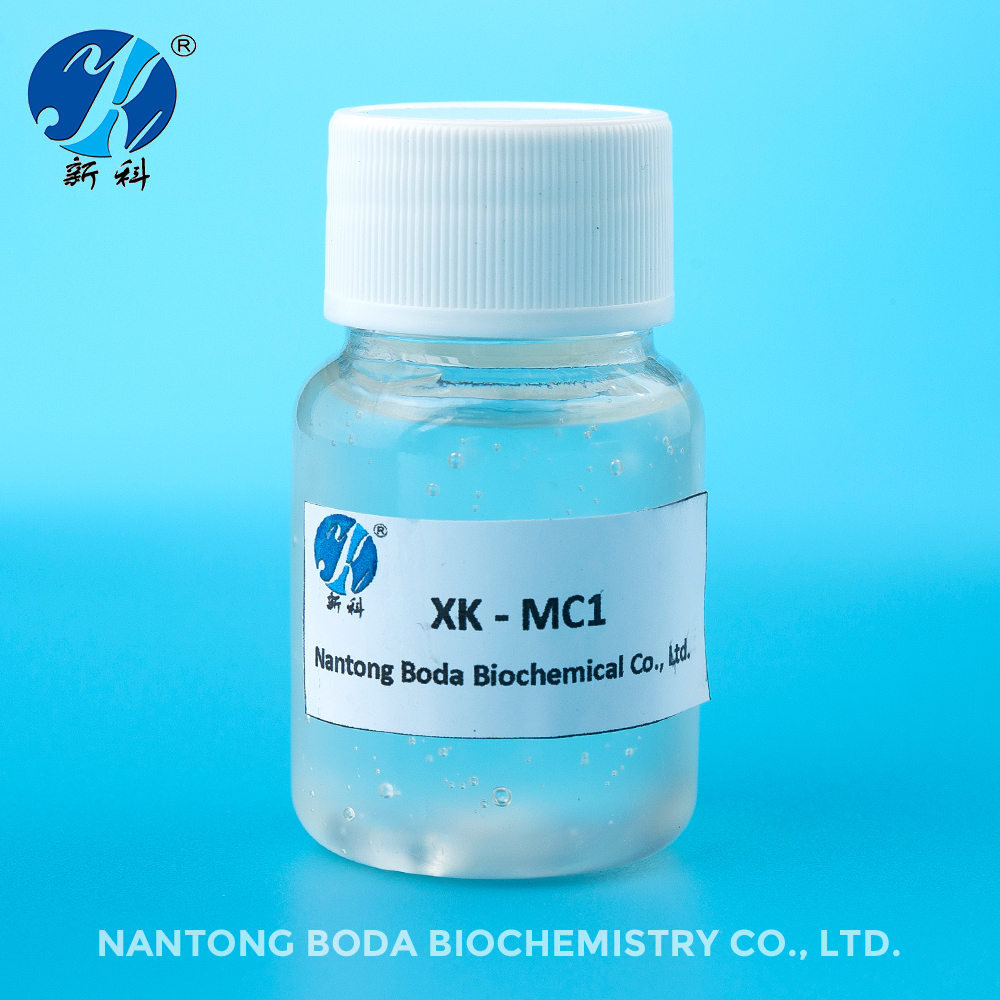
Penetrating Agent
Penetrating Agent
Disinfectant Liquid
Disinfectant Liquid
Antifungal Agent for Chemical Fiber Oil

Antifungal Agent for Chemical Fiber Oil
Antifungal Agent for Chemical Fiber Oil
Antifungal Agent for Chemical Fiber Oil
Dry Film Preservatives
Dry Film Preservatives
Dry Film Preservatives

 Request A Quote
