

 English
 Español


Product Consultation
Your email address will not be published. Required fields are marked *
A fence post treated with a product sold as a wood fungicide can still be soft and crumbly 150 mm below the ground line after three wet seasons. That is rarely a counterfeit product in the drum. It is usually a treatment specified for the wrong job: the active ingredient controlled surface mould, while a brown rot fungus was quietly digesting the cellulose deeper inside the timber.
The short answer for anyone specifying or buying treated wood is this. Choose the active ingredient family from the decay hazard, set a retention target in kilograms of active per cubic metre of wood (kg/m3), then confirm penetration depth and fixation before you compare prices. If a supplier can only quote a dilution percentage, you do not have a specification yet, only a mixing instruction.
What follows is how those variables interact, what really changes between water-borne and solvent-borne systems, and which details are worth settling on a sample before a container gets loaded.
A wood fungicide is one component of a preservative system, not the system itself. A complete wood preservative normally combines a biocide against decay fungi, often a second biocide against staining fungi, an insecticide for termites and borers, and the chemistry that keeps the actives fixed inside the wood.
The target organisms are not one family either. Blue-stain fungi colonise sapwood and change appearance far more than strength. Brown rot fungi break down cellulose and leave timber dark and crumbly, which is what most people mean by rot. White rot fungi attack lignin, while soft rot fungi work in timber that stays permanently wet, such as garden edging or cooling tower fill.
That distinction explains a common disappointment in the field: a product that keeps a pallet looking clean for two years may contain nothing that stops a brown rot fungus working at the base of a post.
| Active family | Movement in water | Typical fit | Points to watch |
|---|---|---|---|
| Copper with a co-biocide (copper azole, ACQ) | Low once fixed | Exterior above ground and ground contact | Needs fixation time, corrodes unprotected steel, green-brown tint |
| Chromated copper arsenate (CCA) | Low once fixed | Heavy-duty industrial and agricultural timber | Restricted for residential use in many markets, arsenic handling rules |
| Borates | High, mobile by design | Interior and protected, dry service | Washes out, unsuitable for ground contact or long-term wetting |
| Azoles (propiconazole, tebuconazole) | Low to moderate | Co-biocide alongside copper, anti-stain work | Rarely sufficient alone against copper-tolerant fungi |
| Isothiazolinones (OIT, BIT, CMIT/MIT) | Moderate to high | Solvent-borne treatment, coatings, remedial work | Sensitisation limits, pH and temperature sensitivity in storage |
| IPBC | Low to moderate | Joinery, coatings, remedial formulations | Higher cost per cubic metre, regulatory dose limits |
| Creosote and pentachlorophenol | Very low | Railway, marine and utility poles | Odour, handling restrictions, appearance not acceptable for visible timber |
European specifications work with the use-class system (EN 335), and North American practice uses comparable hazard categories. The logic is identical: the wetter the timber and the closer it sits to soil, the more aggressive the chemistry and the higher the retention must be.
Retention is what you are buying, not concentration. The same 2 percent solution produces a very different loading on dry pine sapwood and on dense, wet hardwood, and the difference shows up as a structural failure five years later.
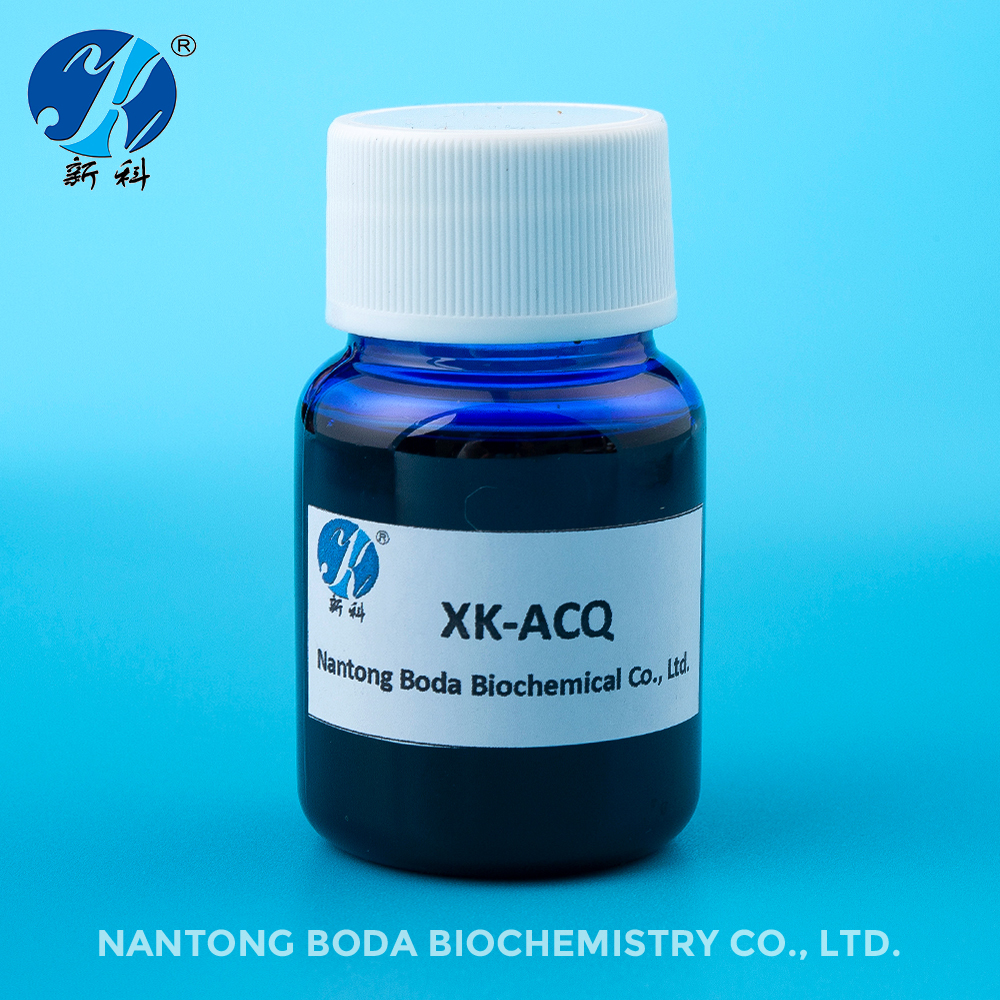 XK-ACQ Waterborne Ammoniacal Copper Quat Wood PreservativeWaterborne copper quat alternative to older arsenical treatments; protects exterior and interior timber from termites, borers, moulds and decay fungi.View Product →
Water-borne copper quat systems have become the default residential replacement for older arsenical treatments, and they behave predictably when a treatment plant controls uptake, fixation and drying. If you want the mechanism explained in plain terms before a specification meeting, the note on how wood preservatives and wood fungicide work is a useful primer for both technical and commercial colleagues.
Water-borne copper treatments only become permanent after fixation, the reaction that turns soluble copper into an insoluble complex within the wood cell wall. Timber that is rained on, hosed down or installed wet before fixation can lose a meaningful share of its active ingredient into the surrounding soil, which is why fixation is a process parameter rather than a marketing claim.
Borate treatments make the opposite trade. They diffuse beautifully into green timber and protect it while it stays dry, but they are water-soluble by design. That is exactly why they belong in UC1 and UC2 and fail quickly in ground contact, no matter how good the laboratory data looks.
| Consideration | Water-borne copper system | Solvent-borne (light organic) |
|---|---|---|
| Carrier | Water | Organic solvent |
| Fixation and drying | Hours to days, needs controlled drying | No fixation step, solvent evaporates |
| Recoating interval | Usually 1 to 3 days depending on conditions | Faster in warm weather, but odour lingers |
| Fasteners | Hot-dip galvanised or stainless required | Generally compatible with standard fixings |
| Dimensional movement | Some swelling, then shrinkage on drying | Minimal change |
| Best fit | Structural timber, ground contact, high volume | Joinery, remedial work, precision components |
| Site and regulatory | Low VOC, simpler handling | VOC limits, flammability, exposure controls |
Hardware belongs to the same decision. Water-borne copper systems attack unprotected carbon steel and aluminium, so galvanised or stainless fittings are normally specified alongside them. Solvent-borne treatments are gentler on fittings but bring odour, solvent handling and longer drying times into the workshop.
Copper tints treated wood green and then grey-brown as it weathers; creosote looks like creosote. For decking, garden furniture and visible glulam, appearance often decides the purchasing conversation faster than retention data does.
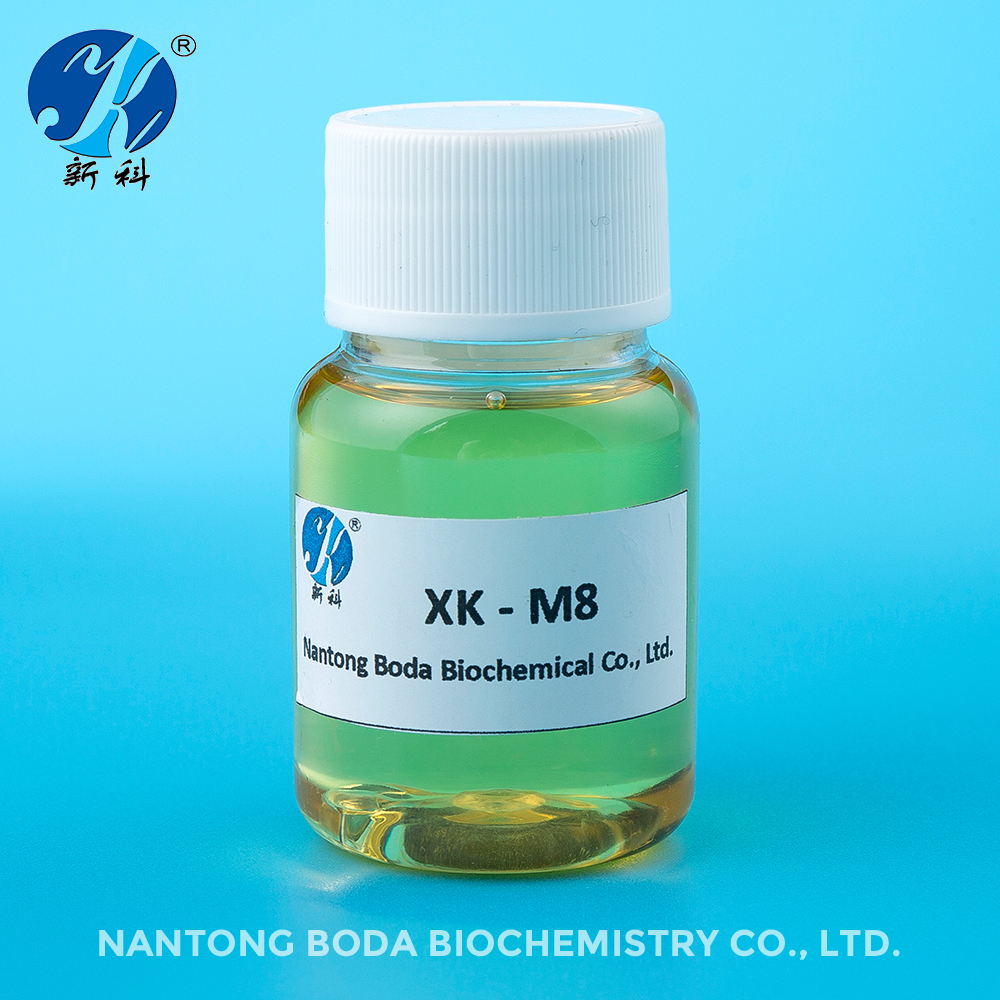 XK-M8 Wood Bamboo and Rattan Preservative for Color RetentionWater-soluble preservative for wood, bamboo and rattan; targets mildew and insects while helping treated material keep original color and accept paints or adhesives.View Product →
The trade-off is real. Colourless and near-colourless protection normally relies on organic actives such as azoles or IPBC, which cost more per cubic metre of treated wood and behave differently under repeated wetting. Decide early in the project whether the end client will accept a tint, because changing treatment chemistry after the first delivery is expensive for everyone in the chain.
A fungicide does not kill termites or wood-boring beetles. Where subterranean termites are active, a treatment that only suppresses decay fungi leaves the timber exposed to insect attack, and that failure often arrives sooner than rot would have.
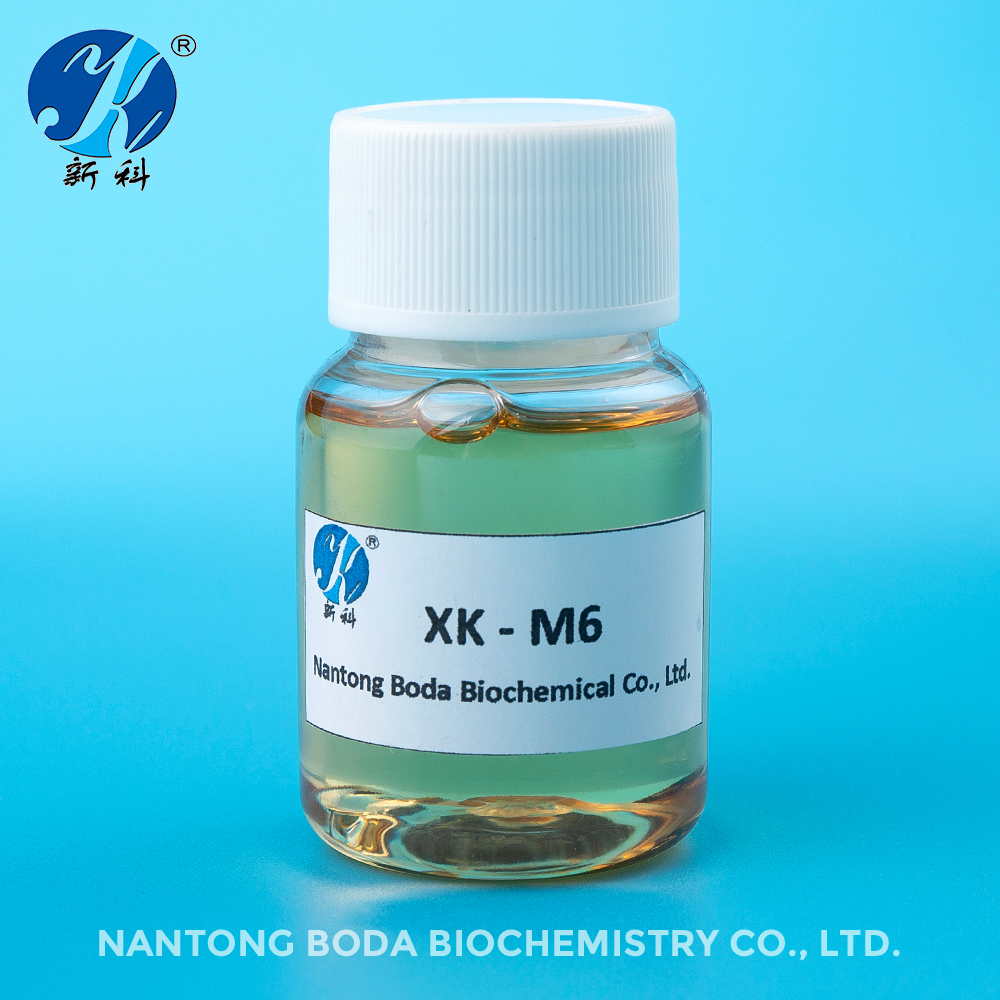 XK-M6 Constructional Timber Preservative with Insecticide and FungicideConcentrated micro-emulsion for constructional and framework timber, combining fungicidal and insecticidal actives against decay fungi and termites; verify insecticide retention in quotes.View Product →
When quotations are compared, check whether an insecticide component is included and how its retention is verified. It is common for two suppliers to quote against the same use class while only one of them is actually covering termites as well as decay fungi.
Wood fungicide performance is decided long before the drum arrives. A treatment that survives 20 years in ground contact is the result of the right active family, a defensible retention target, adequate penetration and a fixation step that nobody skipped under schedule pressure.
Suppliers who talk about retention rather than dilution are the ones worth sampling with. A wood preservative and fungicide manufacturer should be able to provide a technical data sheet, a batch certificate and sample quantities so you can test on your own timber before scaling up, and that is a far cheaper way to find a mismatch than discovering it in a finished structure.
Good News | Nantong Boda Biochemistry Co.,Ltd. Completes Turkey KKDIK Registration for DMDMH Preservative, Registration Documents Approved
Wood Preservatives Explained: Types, Lifespan, and How to Choose the Right One
Your email address will not be published. Required fields are marked *
Industrial Deodorant
Penetrating Agent
Penetrating Agent
Disinfectant Liquid
Disinfectant Liquid
Antifungal Agent for Chemical Fiber Oil

Antifungal Agent for Chemical Fiber Oil
Antifungal Agent for Chemical Fiber Oil
Antifungal Agent for Chemical Fiber Oil
Dry Film Preservatives
Dry Film Preservatives
Dry Film Preservatives

 Request A Quote
