

 English
 Español


Product Consultation
Your email address will not be published. Required fields are marked *
Suppose you replace a wooden fence post in a humid climate and the old post snaps at ground level. The visible part looks solid, but below the soil line fungi have been feeding on the wood for years. A preservative treatment that reached the ground-contact zone would have kept that post sound. The lesson is simple: wood preservatives prevent fungal decay, insect attack, and moisture damage, and choosing the wrong one is usually more expensive than the treatment itself.
If you want to judge the reliability of a supplier before specifying large volumes, start by reviewing the manufacturer's process documentation and test reports. That habit filters out most poor formulations before they ever reach your yard.
Wood preservatives protect timber by making the cell wall inhospitable to decay fungi, termites, and wood-boring insects. Some act as enzyme inhibitors, some disrupt the insects' digestion, and some simply seal moisture out of the wood. Chemically, the performance is measured by retention and penetration, not by surface smell or colour.
Failures usually begin where the protective envelope is broken. A pressure-treated board with a drilled hole, a cut end, or a notched corner invites decay at that exact point. That is why field treating is not optional. For a full explanation of the chemistry behind these products, see how wood preservatives and wood fungicide work.
The practical choice is between oil-based heavy-duty preservatives, waterborne copper systems, boron compounds, and light organic solvent formulations. For ground contact, copper-based systems dominate; for interior dry wood, boronates are a low-toxicity option; for marine and railway use, creosote remains the benchmark.
| Preservative group | Typical actives | Common use | Key advantage | Watch out for |
|---|---|---|---|---|
| Creosote | Coal tar distillate | Railway ties, marine pilings | Very long life in wet, severe exposures | Strong odour, oily surface, restricted in residential settings |
| CCA | Chromated copper arsenate | Ground-contact timber, freshwater | Proven decades-long performance | Arsenic content raises handling and disposal concerns |
| ACQ | Copper + quaternary ammonium | Decking, fences, structural lumber | Arsenic-free, good penetration | Corrosive to steel fasteners; needs hot-dip galvanized or stainless steel fixings |
| Borate | Boric acid / disodium octaborate tetrahydrate | Interior framing, millwork | Low mammal toxicity, penetrates sapwood | Leaches out in ground contact and wet exterior use |
| Copper naphthenate | Copper salt of naphthenic acid | Field treatment of cuts and notches | Easy to brush, effective for renewal | Dark colour; solvent or oil-based |
If you specify decking, fencing, or structural lumber, ACQ is a good arsenic-free starting point. It has decades of use in temperate and tropical climates, though its copper content means fasteners should be compatible with copper. A typical formulation for this category is shown below.
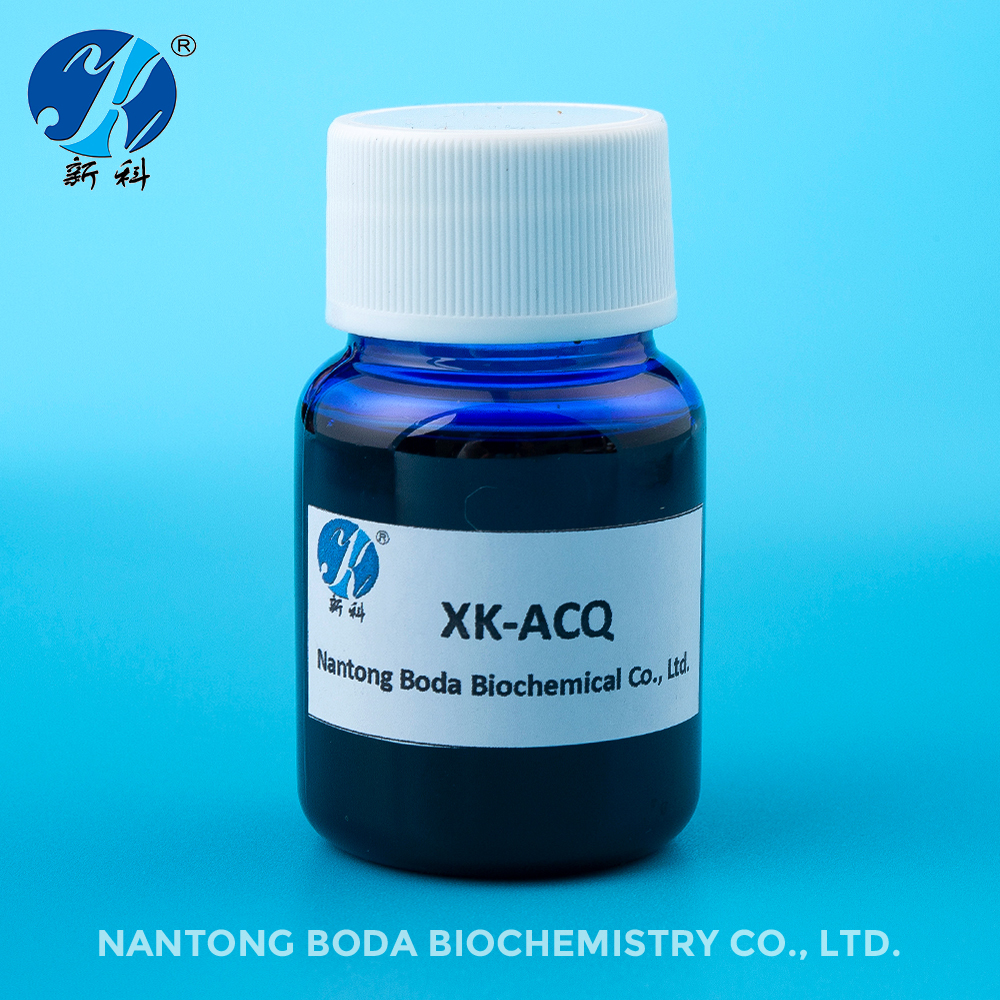 XK-ACQ Waterborne Wood Preservative with Copper-Based ProtectionThis arsenic-free ACQ concentrate suits exterior and interior wood, protecting against rot, termites, and fungi while requiring copper-compatible fasteners for durability.View Product →
Match the treatment to the exposure class, not to the label price. The widely used AWPA Use Category system is a practical guide:
If appearance is important, look for a low-colour formulation. Some wood preservatives darken the surface significantly, which can ruin a clear-coat finish or a furniture design. Other treatments are made to keep the processed wood close to its original colour.
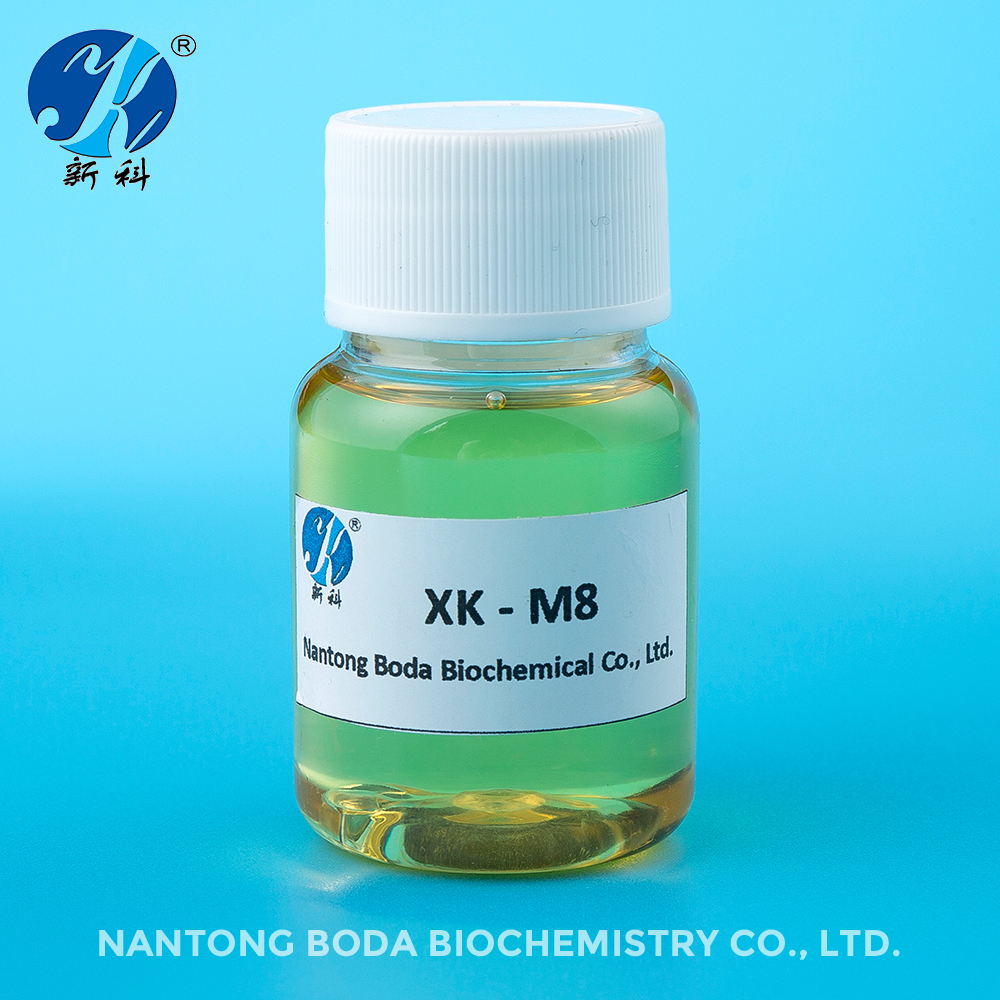 XK-M8 Low-Colour Wood Treatment for Mildew and Insect ControlThis yellow liquid preserves wood's original colour, prevents decay and insects, and works well for furniture or clear-coated surfaces without affecting paints or adhesives.View Product →
Insect pressure is a separate risk. A fungicide can be excellent against mold and decay but useless against termites. In regions with subterranean termites, select a preservative labelled for termite protection; a formulation combining fungicide and insecticide saves time and reduces the number of treatment layers.
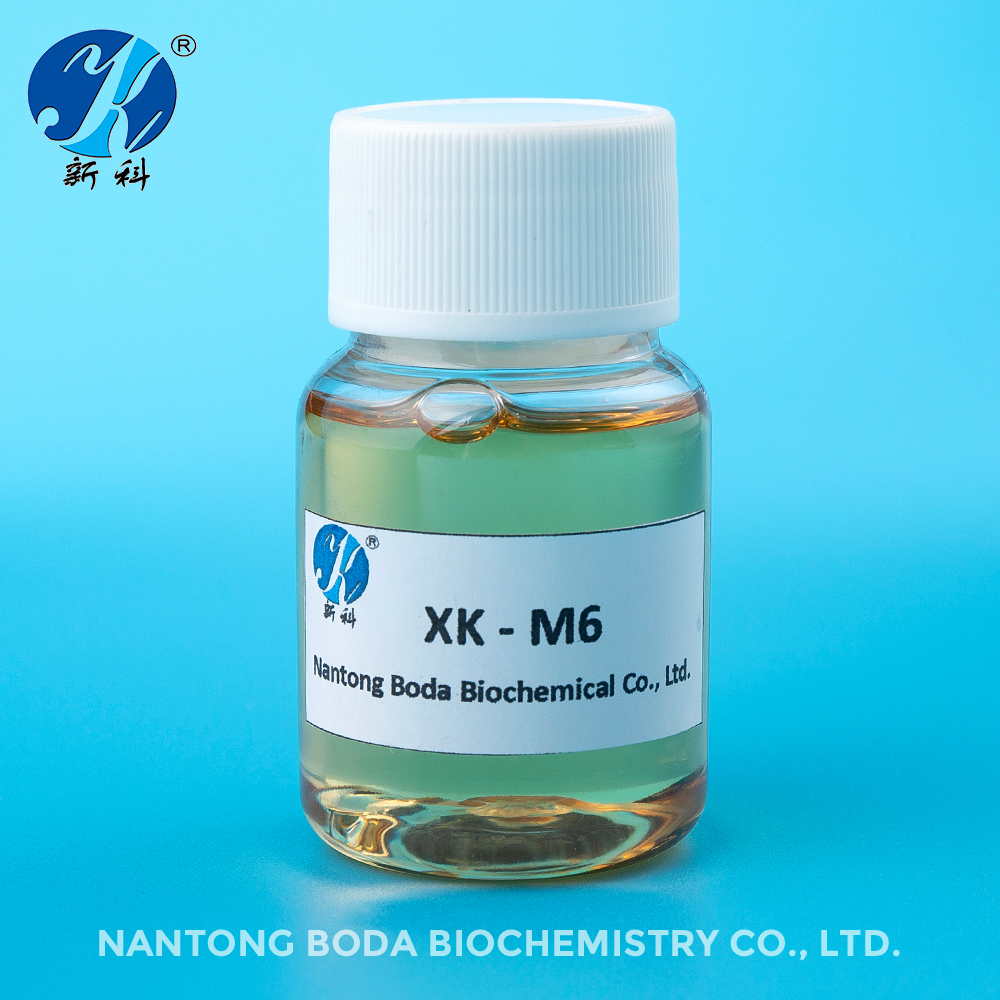 XK-M6 Multi-Insect Wood Protective Emulsion ConcentrateFormulated with fungicides and cypermethrin, this concentrate guards construction timber against fungal decay and subterranean termites, ideal for pressure or dip treatment.View Product →
Factory pressure treatment remains the most reliable method because it forces preservative deep into the fiber. Brush treatment is a maintenance tool, not a primary protection. The exception is field treatment of cuts and joints, where a liberal brush or spray application of copper naphthenate is the standard way to restore the protective envelope.
No matter which method is used, treat after all cutting and drilling, not before. Freshly exposed surfaces need their own dose of preservative.
The initial price per litre is misleading; cost per year of service is what matters. The chart below compares representative service life under ground-contact exposure (UC4A) with moderate decay pressure.
Creosote and CCA offer the longest track record, but ACQ provides a comparable life with simpler handling for residential projects. Borate is low-cost but not suitable for wet exterior use.
Modern wood preservatives are regulated as biocides, meaning the supplier must be able to provide permitted use claims, safety data sheets, and a certificate of analysis. Never burn treated wood; off-cuts should be disposed of according to local waste rules. In residential applications, arsenic-based CCA is increasingly restricted, while copper-based systems are considered lower risk when applied in a licensed facility.
Choose the preservative by exposure class and documented retention, not by habit. Use a copper-based system for ground contact, a low-colour treatment where appearance matters, and always retreat cut surfaces after fabrication. A deck treated that way should last decades, and the cost per year of service will be smaller than the alternative.
Wood Fungicide Selection: Matching Actives, Retention and Use Class for Treated Wood
Wood Preservatives Factory: How to Vet, Specify and Buy With Confidence
Your email address will not be published. Required fields are marked *
Industrial Deodorant
Penetrating Agent
Penetrating Agent
Disinfectant Liquid
Disinfectant Liquid
Antifungal Agent for Chemical Fiber Oil

Antifungal Agent for Chemical Fiber Oil
Antifungal Agent for Chemical Fiber Oil
Antifungal Agent for Chemical Fiber Oil
Dry Film Preservatives
Dry Film Preservatives
Dry Film Preservatives

 Request A Quote
