

 English
 Español


Product Consultation
Your email address will not be published. Required fields are marked *
If you’ve ever built a deck, a fence, or wooden furniture, you probably asked yourself:
“How do I make sure this wood lasts for years without rotting or getting eaten by insects?”
That’s exactly where wood preservatives come in. They’re not just chemicals — they’re the unsung heroes that protect your investment and keep wood looking and performing its best.
In simple terms, a wood preservative is a treatment applied to timber to protect it from decay, fungi, insects, and weathering.
Preservatives can be liquid solutions, oils, or pressure-treated formulations that penetrate the wood, forming a protective barrier.
The goal is to extend the life of the wood while keeping it safe and usable for structural or decorative purposes.
Wood is natural, beautiful, and versatile, but it’s also vulnerable. Moisture, UV rays, fungi, and insects can quickly damage untreated timber.
Using wood preservatives prevents:
For homeowners, builders, and furniture makers, this translates to longer-lasting products, less maintenance, and lower replacement costs.
Wood preservatives are applied in a variety of situations:
Basically, anywhere wood is exposed to the elements or pests, preservatives are highly recommended.
The science is surprisingly simple once you break it down:
Preservatives soak into the wood fibers, creating a barrier that makes it harder for fungi, insects, and moisture to penetrate.
Some preservatives include compounds that actively repel or kill wood-destroying insects and fungi.
Many treatments reduce water absorption, which prevents swelling, cracking, and rotting over time.
High-quality preservatives remain effective for years, even in harsh outdoor conditions.
Here’s why professionals and DIY enthusiasts keep using them:
Properly treated wood can last decades longer than untreated wood, even in tough conditions.
Investing in preservatives reduces repair and replacement costs in the long run.
Many preservatives also protect the wood’s color and finish, keeping it looking fresh.
They can be applied to new or existing wood and used in both indoor and outdoor projects.
No solution is perfect. Wood preservatives have some considerations:
High-quality treatments add upfront cost, though they usually pay off over time.
Some preservatives require careful handling, multiple coats, or even pressure treatment equipment.
Certain chemicals can be toxic if not handled properly, so gloves, masks, and ventilation are often needed during application.
Even treated wood may require periodic re-application, especially for outdoor or heavily exposed surfaces.
When choosing wood preservatives, focus on these practical questions:
One builder put it simply: “A wood preservative isn’t just an extra step — it’s insurance for my work.”
For anyone using wood in construction, furniture, or outdoor projects, preservatives are more than optional. They protect your investment, reduce maintenance headaches, and keep wood safe and attractive for years.
They don’t replace good craftsmanship, but they enhance it. Whether you’re a contractor, manufacturer, or DIY enthusiast, choosing the right wood preservative is one of the simplest ways to ensure long-term quality and durability.
Does this wood preservative contain heavy metals or harmful chemicals?
Do wood preservatives have anti-mildew and anti-blue staining properties?
Your email address will not be published. Required fields are marked *
Industrial Deodorant
Penetrating Agent
Penetrating Agent
Disinfectant Liquid
Disinfectant Liquid
Antifungal Agent for Chemical Fiber Oil

Antifungal Agent for Chemical Fiber Oil
Antifungal Agent for Chemical Fiber Oil
Antifungal Agent for Chemical Fiber Oil
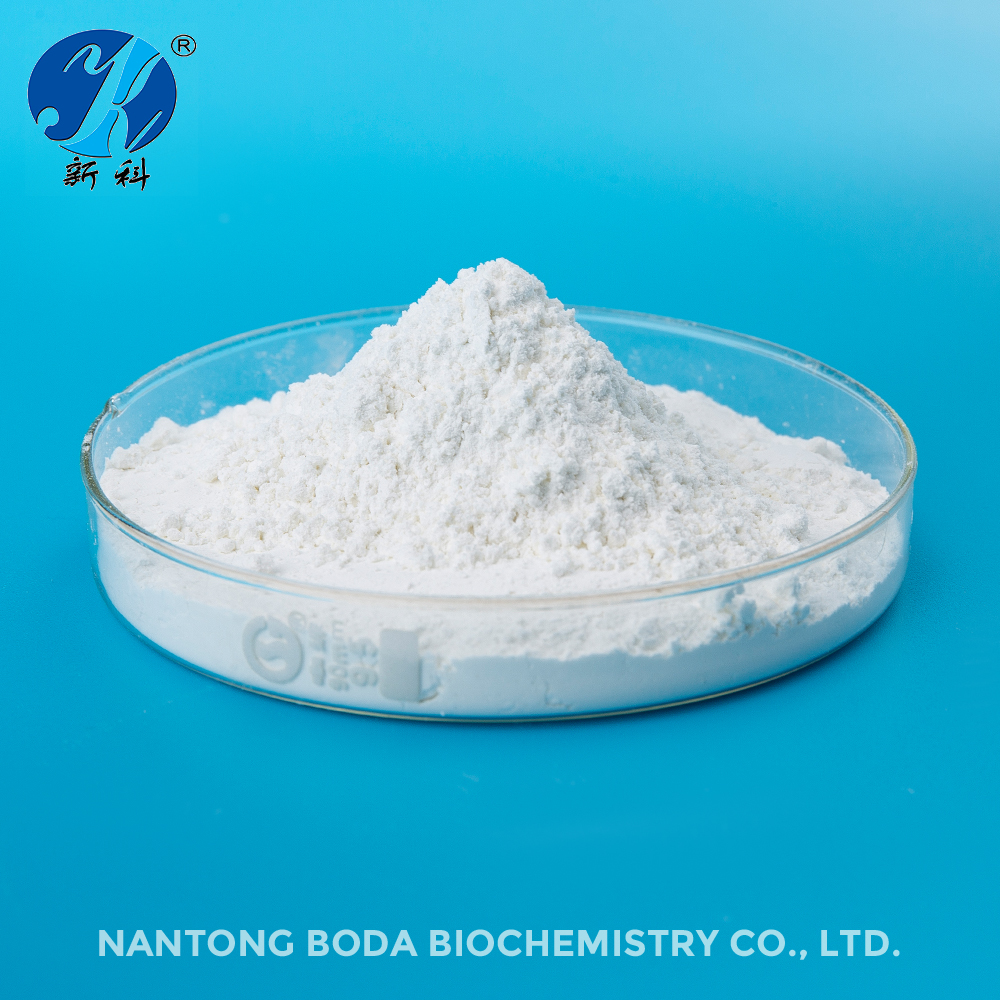
Dry Film Preservatives
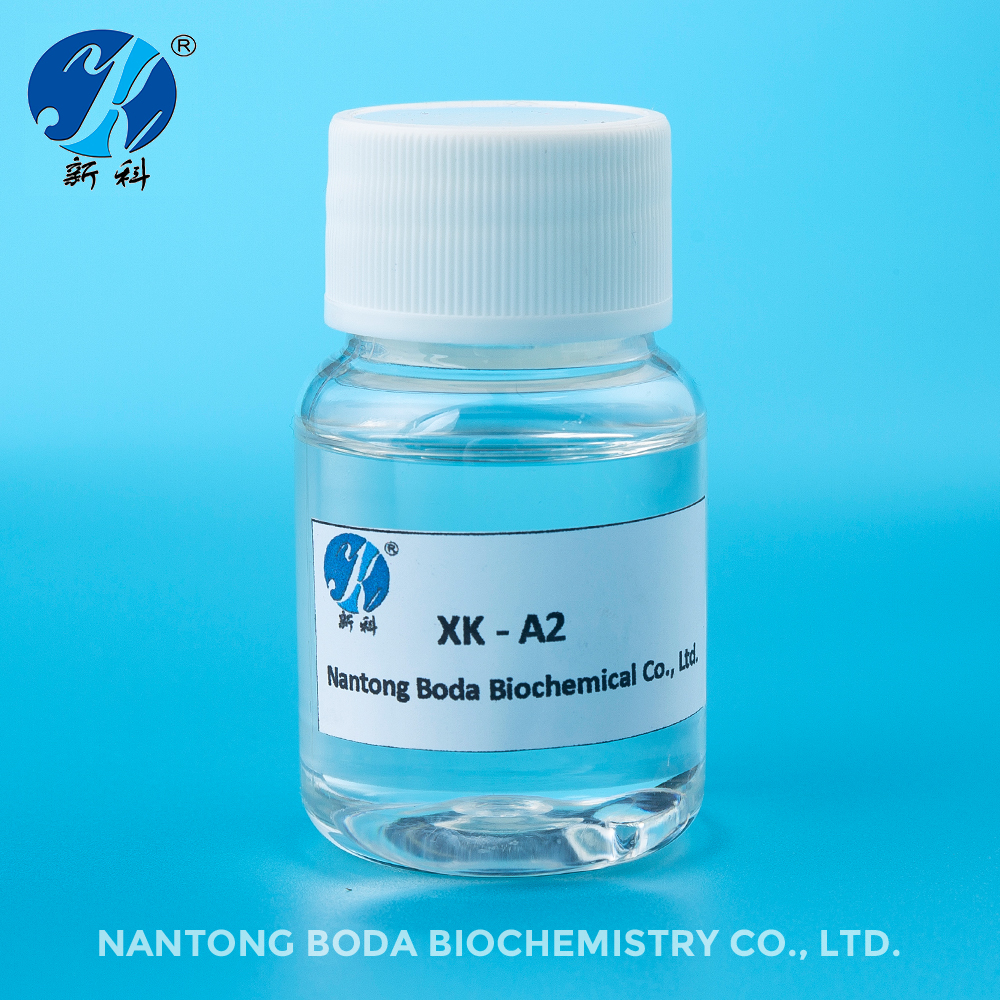
Dry Film Preservatives
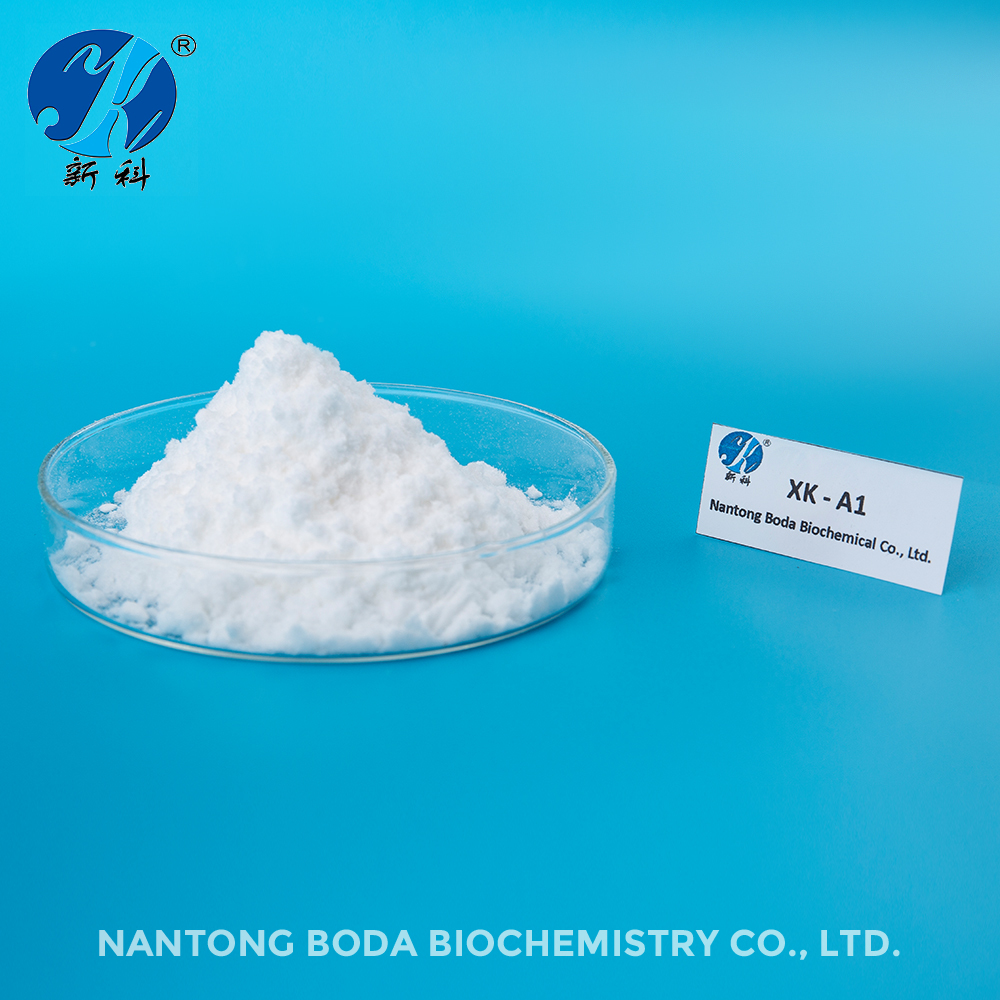
Dry Film Preservatives

 Request A Quote
