

 English
 Español


Product Consultation
Your email address will not be published. Required fields are marked *
If you are sourcing wood preservatives for a manufacturing line, a construction project, or a distribution network, the first question is not price. It is whether the chemical actually matches the conditions your wood will face. Untreated lumber exposed to moisture, ground contact, or insect pressure can fail in a few seasons, forcing costly replacements and potential safety issues. Wood preservatives solve that problem by protecting lumber against fungal decay, mold, sapstain, and wood-destroying insects such as termites. This guide explains the main preservative families, how to choose between them, and what to verify before committing to a wood preservatives manufacturer.
Before choosing a supplier, it helps to understand the preservative families available today.
Wood preservatives are biocidal chemicals applied to timber to prevent biological deterioration. According to the U.S. Environmental Protection Agency (EPA), wood preservatives are designed to protect wood from decay fungi, molds, stains, and insects that attack wooden structures. Without treatment, wood in outdoor or high-humidity environments becomes vulnerable to rot and structural damage. Common end uses include decking, fencing, utility poles, railway ties, marine pilings, landscape timber, and wooden crates used in agriculture and transport.
The economic case is straightforward. Pressure-treated wood typically costs only a small percentage more than untreated lumber, yet it can last several times longer in demanding environments. For an industrial buyer, that translates directly into lower replacement costs, fewer field failures, and more predictable product performance.
Wood preservatives penetrate the wood cell structure and create an environment that is toxic or repellent to fungi and insects. Waterborne preservatives such as ACQ and CCA use water as a carrier to pull active ingredients into the wood; once the wood dries, the actives remain inside. Oil-type preservatives such as creosote or copper naphthenate penetrate via an oil carrier and also provide a degree of water repellency. The result is a dual action: a toxic barrier that stops biological attack and reduced moisture uptake that slows fungal growth.
Some formulations address multiple threats at once. The XKM6 wood protective, for example, is designed to protect against fungal decay, insect attack, and termite damage in a single treatment system. For a deeper technical explanation, see our article on how wood preservatives and wood fungicides work.
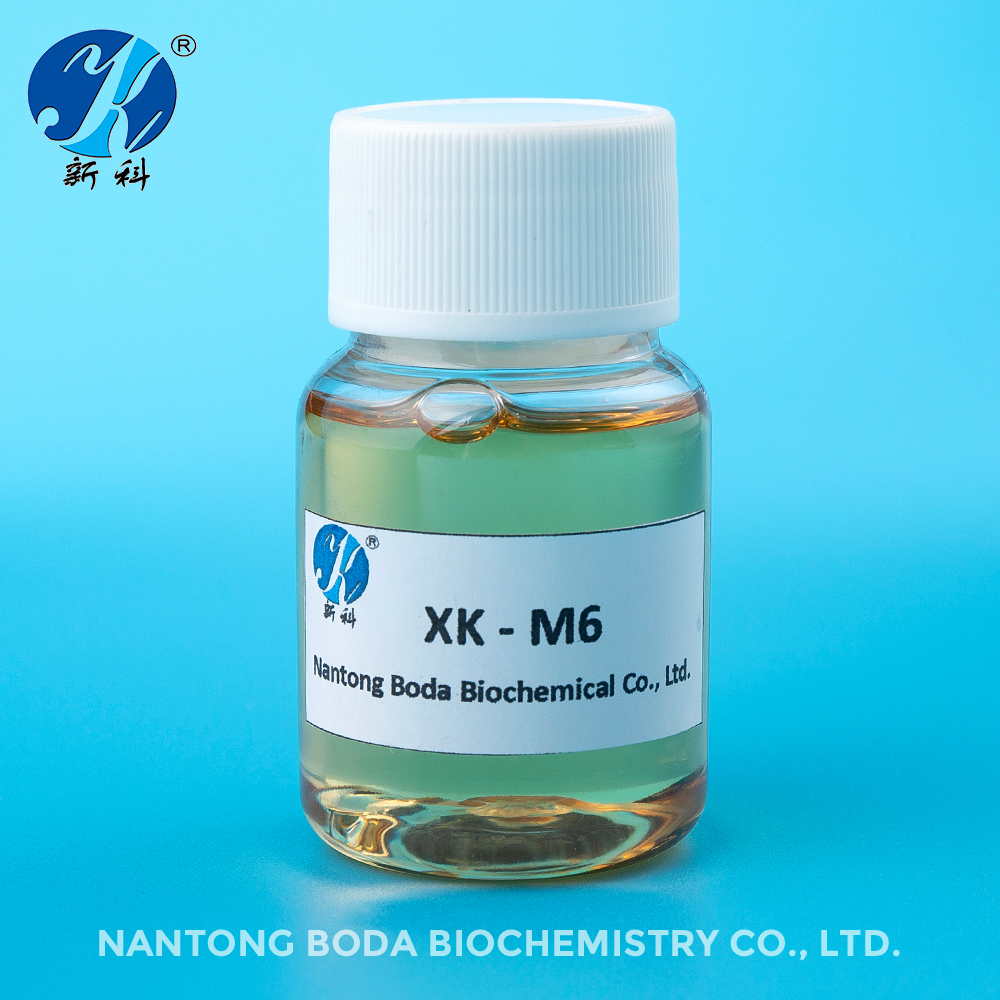 Wholesale XK-M6 Wood Protective - Protects against fungal decay and insect attacNantong Boda Biochemistry Co.,Ltd. is China Wholesale XK-M6 Wood Protective - Protects against fungal decay and insect attack, including ...View Product →
Wood preservatives fall into two broad categories: waterborne and oil-type. Each has distinct active ingredients, performance profiles, and regulatory considerations. The table below compares the most common types you will encounter when evaluating wood preservative suppliers.
| Type | Key Active Ingredients | Typical Applications | Regulatory Notes |
|---|---|---|---|
| ACQ | Copper oxide + quaternary ammonium | Decks, fencing, landscaping, marine pilings | Popular CCA alternative in residential markets |
| CCA | Chromated copper arsenate | Utility poles, railway ties, bridge structures | Restricted in U.S. residential use; still used industrially |
| Copper Azole (CA) | Copper + triazole fungicide | Ground contact, freshwater contact | Accepted under AWPA standards |
| Borates | Sodium borate / DOT | Interior framing, wall plates, engineered wood | Low toxicity; not for wet exposure |
| Creosote | Coal tar distillate | Railway ties, utility poles, marine structures | Undergoing EPA registration review |
| Copper Naphthenate | Copper salt of naphthenic acid | Utility poles, heavy industrial timber | Oil-type, stable performance |
Waterborne preservatives dominate the residential and commercial timber market because they are clean to handle, leave a paintable surface, and offer strong protection against decay and insects.
ACQ (Alkaline Copper Quaternary) combines copper oxide with a quaternary ammonium compound. After CCA was voluntarily withdrawn from U.S. residential use in 2003, ACQ became one of the most widely used alternatives for above-ground and ground-contact applications. It performs well in decks, fencing, landscaping, and marine environments. One important installation note: because copper accelerates corrosion of ordinary steel, use stainless steel or hot-dip galvanized fasteners with ACQ-treated timber. Our XKACQ wood preservative covers this category for residential and commercial use, and you can read more about the specific functions of ACQ wood preservatives.
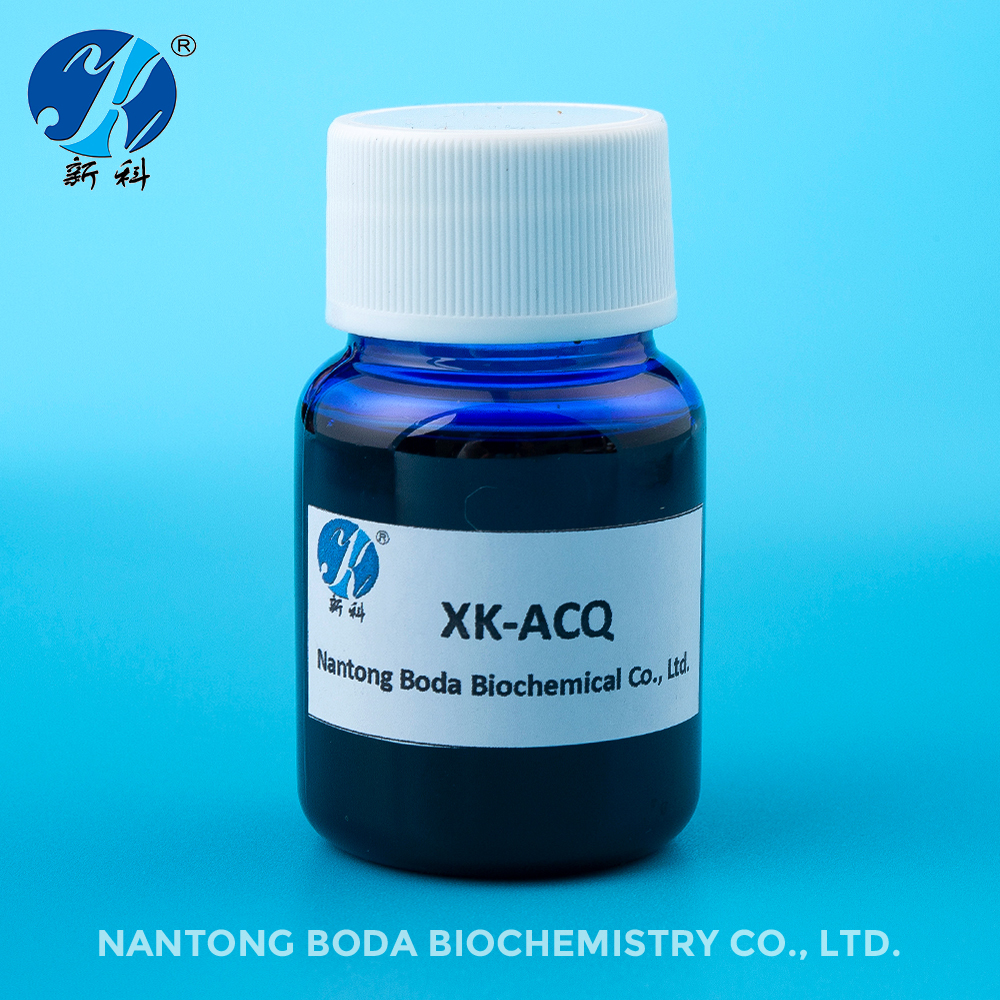 Wholesale Wood Preservatives - Ammonical Copper Quat (ACQ) Manufacturers, OEM/ONantong Boda Biochemistry Co.,Ltd. is China Wholesale Wood Preservatives - Ammonical Copper Quat (ACQ) Manufacturers and OEM/ODM Supplie...View Product →
CCA (Chromated Copper Arsenate) is the traditional heavy-duty preservative for industrial applications. In the United States, CCA is no longer approved for most residential uses, but it remains registered and used for industrial purposes such as utility poles, railway ties, and bridge components. The EPA is conducting a registration review and has proposed additional mitigation measures. Outside the U.S., however, CCA is still widely specified where extreme durability and long service life are required. For industrial buyers, our XKCCA wood preservative follows established treatment procedures, and we explain the three treatment processes for CCA wood preservatives in a dedicated technical post.
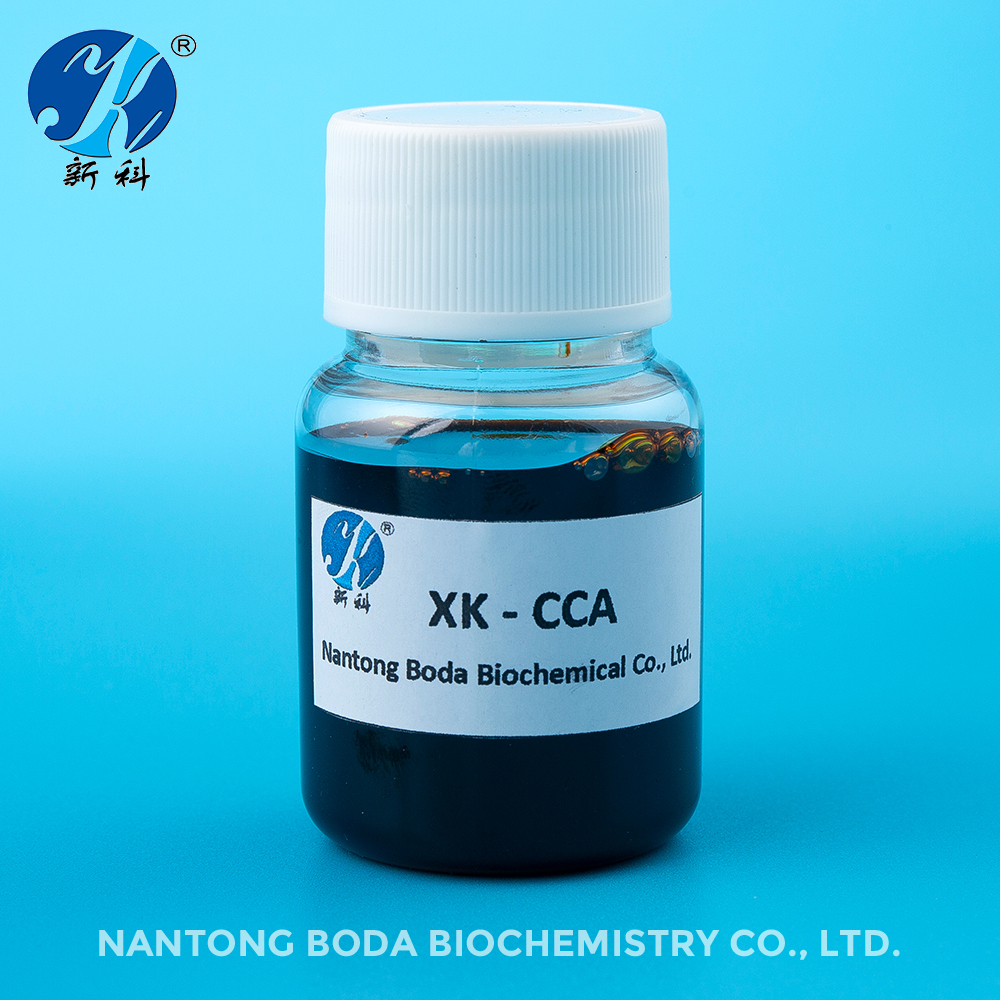 Wholesale Chromated Copper Arsenate XK-CCA Wood Preservative Manufacturers, OEMNantong Boda Biochemistry Co.,Ltd. is China Wholesale Chromated Copper Arsenate XK-CCA Wood Preservative Manufacturers and OEM/ODM Suppl...View Product →
Copper Azole (CA) is another copper-based waterborne option, typically combining copper with a triazole fungicide. It is approved for ground-contact and freshwater-contact uses and is often brand-named in the market. CA is a practical choice when you want copper tolerance without the quaternary component found in ACQ.
Borate preservatives (SBX/DOT) are low-toxicity options effective against both fungi and termites. They are best suited for interior applications where wood will not be repeatedly wet, such as wall framing, roof battens, and flooring components. Borates leach out if exposed to standing water or persistent moisture, so they are not recommended for outdoor or ground-contact use.
Oil-type preservatives are used where extreme conditions demand deep penetration and long service life. Creosote, a coal tar distillate, is a classic choice for railway ties, utility poles, and marine piles. The EPA is currently reviewing creosote's environmental risks, so compliance with regional regulations is essential. Copper naphthenate offers a stable oil-borne alternative used primarily in utility poles and industrial structures. The selection between waterborne and oil-type depends on the end-use environment: waterborne suits most housing and commercial timber, while oil-type remains the standard for infrastructure-grade wood.
Choosing among types of wood preservatives comes down to four practical factors: exposure environment, regulatory constraints, fastener compatibility, and appearance requirements.
Once you know which preservative type fits your application, the next step is vetting suppliers. The phrase "wood preservatives manufacturers" covers a wide range of companies, from simple formulators to large integrated chemical producers. The following criteria separate a reliable partner from a transactional middleman.
The purchasing stage is where product knowledge translates into a better contract. Before you commit to a specific wood preservatives manufacturer, work through this checklist to reduce risk.
Selecting the right wood preservative comes down to three rules: the exposure environment determines the preservative type, the destination regulations determine what is legally usable, and the manufacturer's quality system determines whether the product performs as promised. Start with the chemical family, then evaluate suppliers on direct production capability, quality assurance, experience, and logistics.
If you are ready to move from research to sourcing, contact us for technical documentation, samples, or application guidance. For a closer look at the chemistry behind modern wood protection, read about the principle of wood preservation in our technical article, or explore the MBS bactericidal preservative for mold and bacteria control in wood-related applications.
Wood Preservatives vs Wood Fungicide: Protecting Timber
Formaldehyde Slow-Release Preservatives | Antiseptic Agents Manufacturer Guide
Your email address will not be published. Required fields are marked *
Industrial Deodorant
Penetrating Agent
Penetrating Agent
Disinfectant Liquid
Disinfectant Liquid
Antifungal Agent for Chemical Fiber Oil

Antifungal Agent for Chemical Fiber Oil
Antifungal Agent for Chemical Fiber Oil
Antifungal Agent for Chemical Fiber Oil
Dry Film Preservatives
Dry Film Preservatives
Dry Film Preservatives

 Request A Quote
